
Autumn Moon
1992
No user ratings available yet
Representation score: 5.5 out of 10

Representation Score
Fair
1990
Director
Clara Law
Runtime
114 minutes
Average Rating
No ratings yetNew Showbiz Analysis
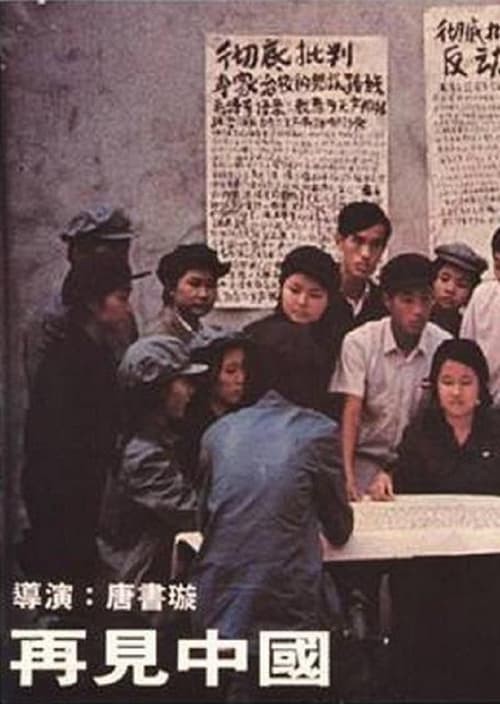
Farewell China is a sophisticated historical drama that prioritizes individual experiences over state mandates. It excels by examining national identity through the lens of a female protagonist navigating political transitions. The film's strength lies in its authentic depiction of Chinese life and its critical look at institutional authority. By avoiding common cinematic formulas of the era, it provides a fresh perspective. However, the narrative lacks representation for LGBTQ+ identities and disabilities. These omissions are specific, but the film's focus on socioeconomic and political shifts remains progressive.
Category Breakdown
The film emphasizes traditional family and heterosexual relationships. It does not include characters with diverse gender identities or challenge assumptions about everyone being straight.
The story centers around a strong female protagonist who plays a key role in driving the plot. Her intelligence and resilience challenge the traditional gender roles of the time.
The film offers a rich portrayal of Chinese life through a predominantly Chinese cast. It avoids the Western perspective by focusing on authentic cultural experiences.
The story examines the conflict between personal morality and state ideology. It highlights how political changes disrupt traditional family structures.
The film does not depict any characters with visible or invisible disabilities.
Present on Screen
Limited or Absent
Official Synopsis
Li Hung is a desperate mother who tried for years to obtain an American visa to study to create a better life for her husband Nansan and her son. But after a short time, she loses contact with her family, and her husband, Nansan smuggles himself to New York to find her.
1992

1985
2018
2001

2003
2010
1978

2004
No reviews yet. Be the first to share your thoughts on this movie!
Use the rating form above to leave a star rating and optional review.