
Listen
2020
No user ratings available yet
Representation score: 8.7 out of 10
Representation Score
Fair
2015
Director
Dariusz Gajewski
Runtime
103 minutes
Average Rating
No ratings yetNew Showbiz Analysis
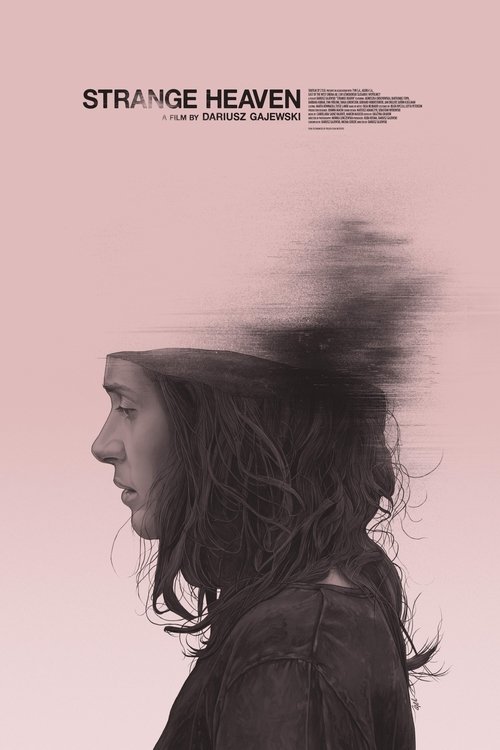
Strange Heaven offers a poignant look at the tension between immigrant family structures and the institutional frameworks of a host nation. It succeeds by centering the immigrant family's perspective, using the struggles of Basia and Marek to critique the systemic power of state welfare systems. While the film lacks representation of LGBTQ+ identities or neurodiversity, it finds strength in its cultural critique. It moves beyond simple immigrant clichés to examine how state-led guardianship can clash with the realities of underrepresented domestic life. Ultimately, the film functions as a study of systemic friction, framing the state not as a benevolent protector, but as a force that challenges the integrity of the family unit.
Category Breakdown
The film focuses on a traditional nuclear family with a mother, father, and daughter. There are no LGBTQ+ characters or stories that go against the assumption that everyone is straight or cisgender.
The story looks at parental roles through the tension between Basia, Marek, and a female social worker. It challenges the idea that the state knows best by showing how the lived reality of motherhood can conflict with official guardianship.
By focusing on an immigrant family in Sweden, the film breaks down the idea of a uniform Western home life. It allows exploration of ethnic identity from an outsider's point of view.
The narrative criticizes Western institutions by showing the social welfare system as a disruptive force. It emphasizes the subjective experiences of the immigrant family over the standards of the host country.
The film does not show any characters with physical, mental, or neurodivergent disabilities.
Present on Screen
Limited or Absent
Official Synopsis
Basia and Marek have been on the run their whole lives. Along with their nine-year-old daughter Ula, they experience what it’s like to be an immigrant in Sweden. When a Swedish social worker visits their home, she witnesses Ula’s everyday reality, as seen from the perspective of the local culture. Ula is then taken away from her parents and placed in foster care. Will Basia and Marek stick together and fight for Ula? Will they succeed in rebuilding their bond and their family?
2020
1994
2020

2011

2020
2007

2010
2019
No reviews yet. Be the first to share your thoughts on this movie!
Use the rating form above to leave a star rating and optional review.