
I Saw the Sun
2009
No user ratings available yet
Diversity score: 5.9 out of 10
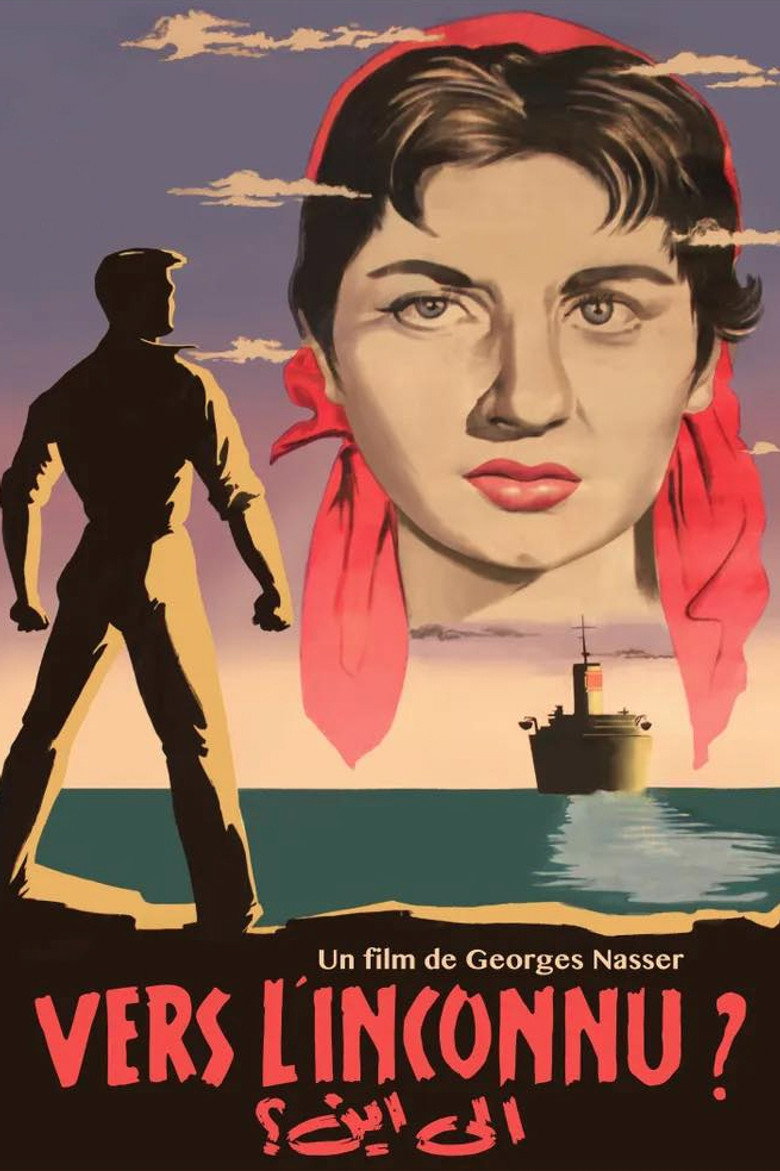
1957
Director
Georges Nasser
Runtime
78 minutes
Average Rating
No ratings yetSynopsis
A family lives poorly in a village in the Lebanese mountain. One day the father abandons his family and leaves for Brazil, considered an Eldorado by a great number of his compatriots. Twenty years pass. The mother raised her children with great difficulty: the elder has a family and the younger one is getting ready to immigrate to Brazil. One day a ragged old man arrives to the village.
Overall Score
Fair
Category Breakdown
LGBTQ+ Representation
The film focuses on traditional familial structures and biological continuity within a Lebanese village. No queer subtext or non-cisnormative identities are present in the narrative.
Gender Representation
While the film reflects mid-century gender hierarchies, the matriarch possesses significant agency. Her struggle to raise her children independently disrupts the trope of the passive female character.
Racial & Ethnic Diversity
The film offers high ethnic authenticity by centering a non-Western, Arab identity. It prioritizes the specific cultural nuances of the Levant over Eurocentric perspectives.
Religious & Cultural Diversity
The narrative critiques how economic pressures destabilize communal structures and tradition. It avoids romanticizing pastoral life, offering a realistic view of a family under extreme duress.
Disability Representation
There are no prominent depictions of physical or neurodivergent disabilities that drive the story forward.
Strengths
Areas for Improvement
AI Analysis
Georges Nasser’s work is a vital piece of regional realism that centers the Lebanese experience. By focusing on the socio-economic complexities of the Levant, the film provides a necessary counter-narrative to the Eurocentric cinema dominant in 1957. The film excels in its ethnic and cultural authenticity, portraying the Levant with nuance. It moves beyond simple immigrant tropes to explore the systemic economic forces that drive displacement and dismantle traditional family units. However, the film remains bound by the social norms of its era. It lacks representation for LGBTQ+ identities and does not feature characters with disabilities, reflecting the traditionalist framework of its setting.
2009

2006

2014
1960
1990

2015

2012
1951

2007

2018
2024

1990
No reviews yet. Be the first to share your thoughts on this movie!
Use the rating form above to leave a star rating and optional review.