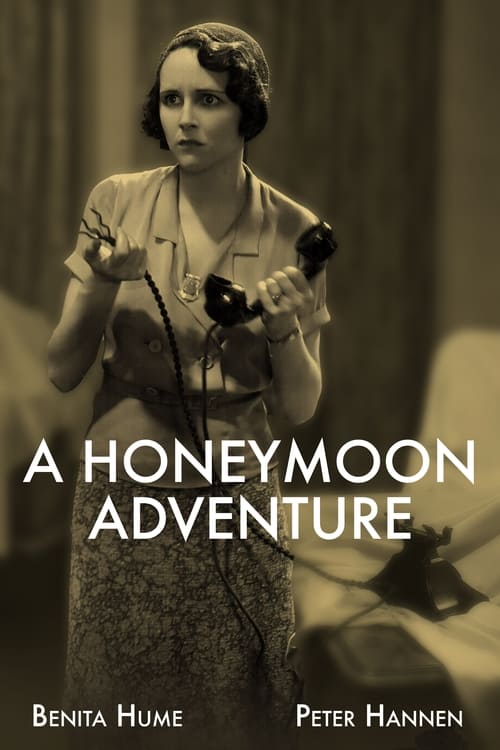
A Honeymoon Adventure
1931
No user ratings available yet
Representation score: 1.6 out of 10
Representation Score
Minimal
1930
NOT RATEDDirector
Adrian Brunel, Robert Atkins
Runtime
78 minutes
Average Rating
No ratings yetNew Showbiz Analysis
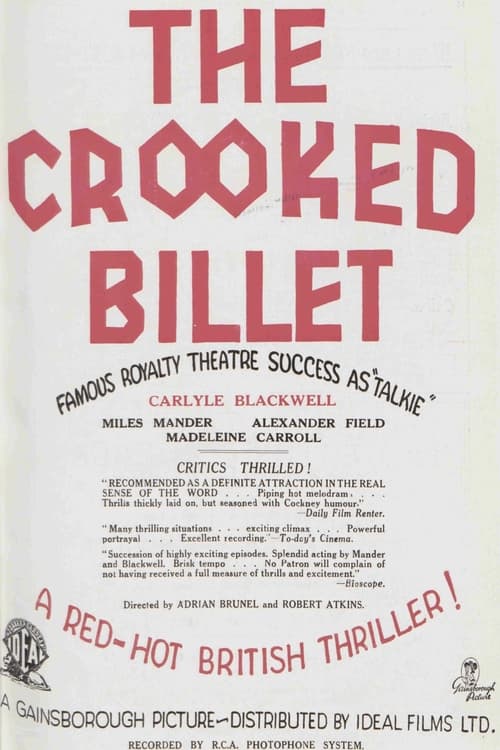
The Crooked Billet is a traditional historical crime drama set in the 1930s. It adheres to the social and narrative conventions of the time, focusing on the English Civil War. The film lacks diverse representation and perspectives that reflect multiple aspects of identity, limiting its scope to a narrow historical context. Ultimately, the production reflects the era's limitations, providing a traditional view of history without modern social complexity or diverse character perspectives.
Category Breakdown
The film does not include any representation of non-straight gender identities or same-sex relationships. It follows the traditional standards of early sound-era cinema.
The setting highlights traditional masculine roles and strength. Women do not play significant roles or challenge established gender power structures.
Set during a localized English conflict, the production likely features a predominantly Anglo-Saxon cast. It reflects the era's social constraints and limited casting options.
The story focuses on the tensions between Royalists and Parliamentarians, involving religious and institutional conflicts. It presents a traditional historical drama without critiquing Western institutions.
There is no evidence of characters with physical or neurodivergent disabilities in the film.
Present on Screen
Limited or Absent
Official Synopsis
'International spy seeks documents hidden in old inn.' (British Film Catalogue)
1931
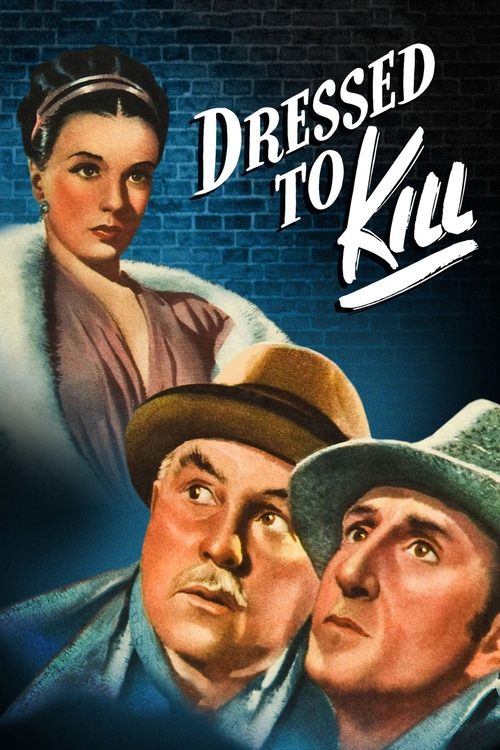
1946
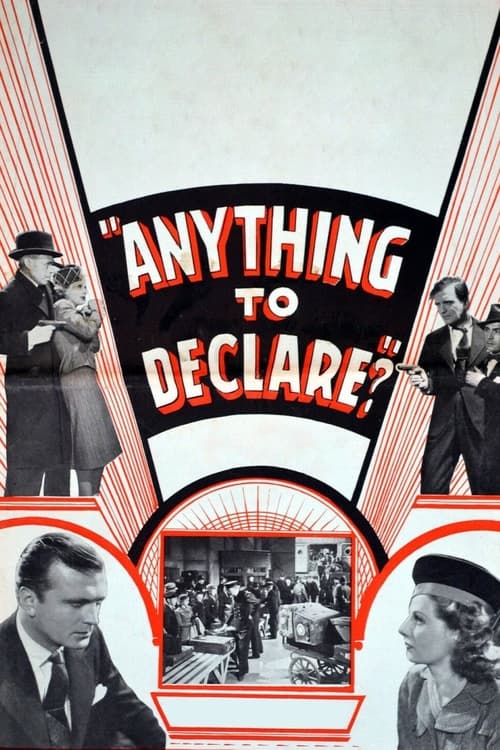
1938
1937
1935

1942
1939
1933
No reviews yet. Be the first to share your thoughts on this movie!
Use the rating form above to leave a star rating and optional review.