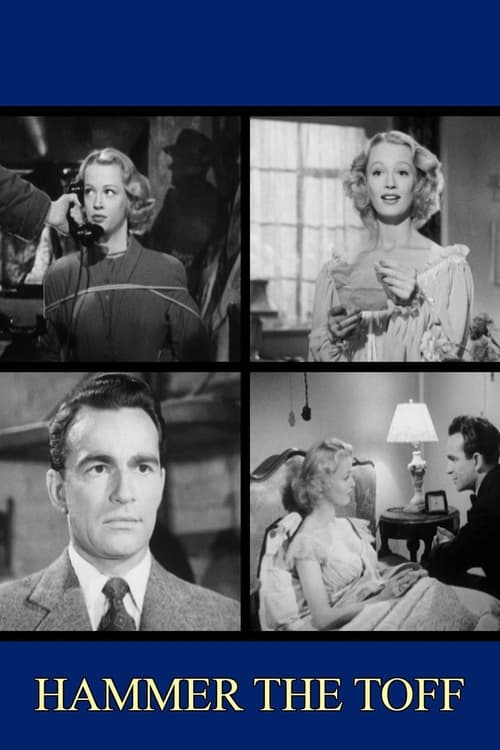
Hammer the Toff
1952
No user ratings available yet
Diversity score: 2.0 out of 10
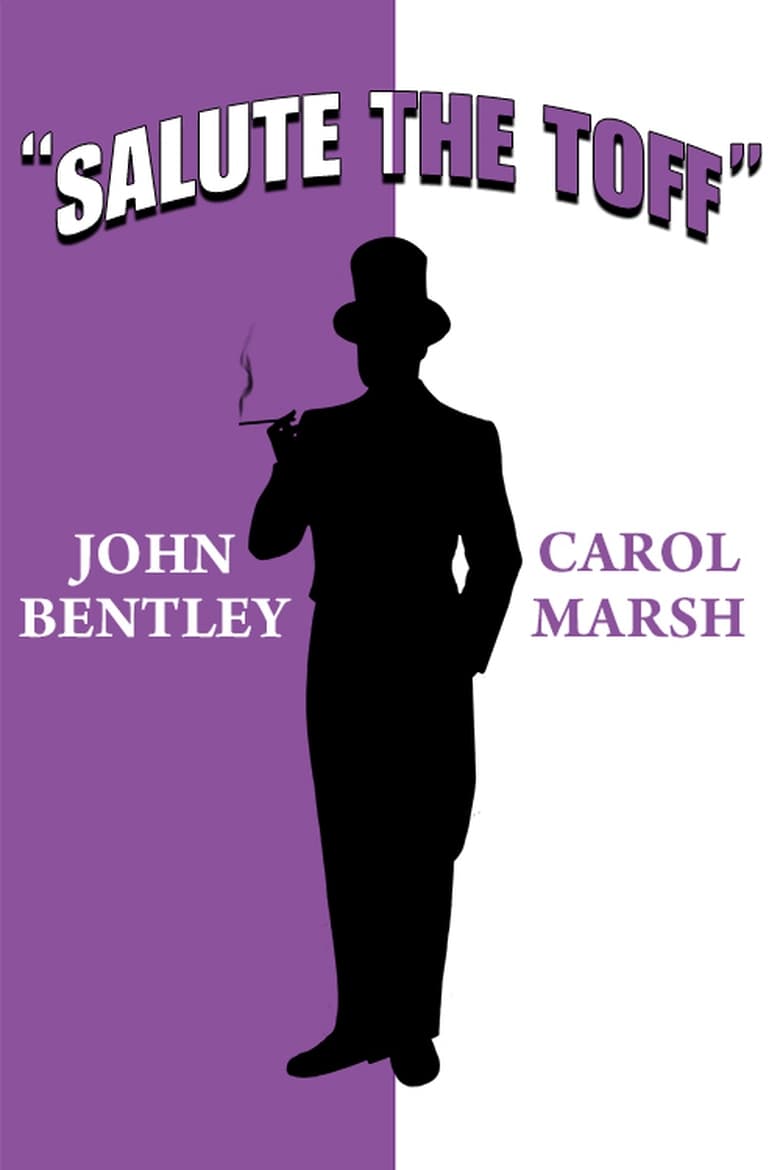
1952
Director
Maclean Rogers
Runtime
75 minutes
Average Rating
No ratings yetSynopsis
The Toff solves the mystery of a missing employer. One of the BFi's most wanted films.
Overall Score
Minimal
Category Breakdown
LGBTQ+ Representation
The film contains no discernible LGBTQ+ characters or narratives. It adheres strictly to the heteronormative social decorum typical of the early 1950s.
Gender Representation
The story reinforces traditional mid-century gender hierarchies. It centers on masculine authority through an aristocratic male protagonist, offering no subversion of gender roles.
Racial & Ethnic Diversity
The cast and social environment appear largely homogeneous. There is no evidence of non-white casting or characters used to challenge Anglo-Saxon social norms.
Religious & Cultural Diversity
The narrative upholds established British class hierarchies and traditional social structures. It lacks critiques of capitalism or patriotism, focusing instead on upper-class decorum.
Disability Representation
There is no evidence of characters with visible or invisible disabilities. The film does not engage with neurodivergence or physical disability as part of its themes.
Strengths
Areas for Improvement
AI Analysis
Salute the Toff is a quintessential product of its era, functioning as a traditionalist narrative that prioritizes social stability. The film's structure reinforces the mid-century status quo rather than attempting to disrupt it. By centering on an aristocratic figure, the work maintains established class hierarchies and conventional gender compositions. It lacks the intersectional complexity or systemic critique found in more progressive cinema.
1952
1950
1958
1966
1966
1938
1954
1949
1962
1956
1949

2012
No reviews yet. Be the first to share your thoughts on this movie!
Use the rating form above to leave a star rating and optional review.