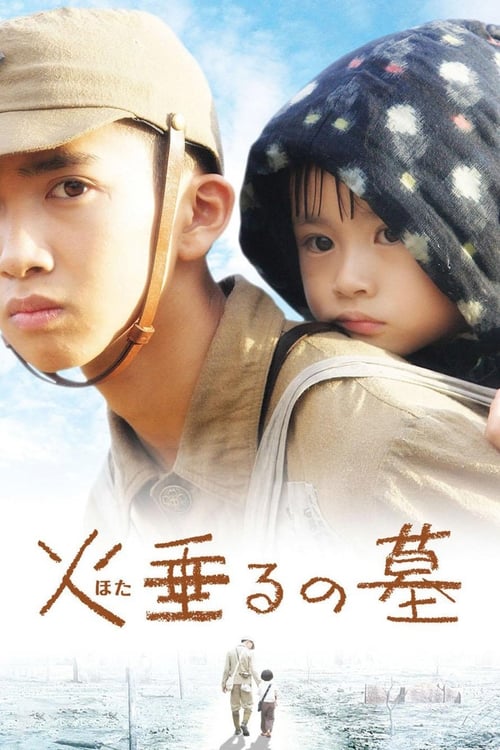
Tombstone of the Fireflies
2008
No user ratings available yet
Representation score: 2.2 out of 10
Representation Score
Fair
2022
Director
Shō Igarashi
Runtime
132 minutes
Average Rating
No ratings yetNew Showbiz Analysis
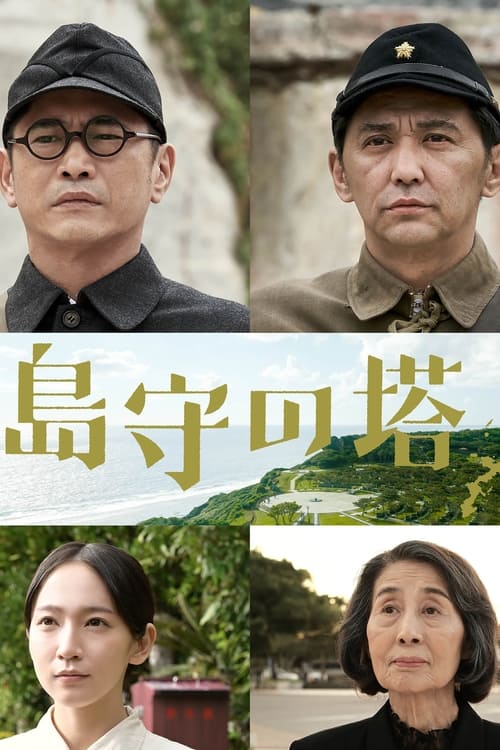
Shimamori Tower is a humanistic drama that shifts the focus of wartime storytelling from military conquest to the preservation of human life. By centering Okinawan officials, the film disrupts conventional historical lenses that often overlook regional identities. While the film excels in cultural nuance and regional ability to act, it adheres to traditional dramatic structures regarding gender and identity. Leadership roles are occupied by men, and there is no visible representation of LGBTQ+ or disabled characters. Ultimately, the film's strength lies in its thematic critique of dehumanizing warfare, using individual ability to act to challenge the absolute authority of the state.
Category Breakdown
The film does not include any explicit LGBTQ+ characters or explore non-straight relationships. The story focuses mainly on the political and humanitarian efforts of the male characters.
The story centers around male leaders such as the Governor and the Chief of Police. These men demonstrate moral depth, but the plot is driven by their institutional roles.
The film highlights the Okinawan experience by providing a localized perspective rather than a broader, mainland-centric viewpoint.
The narrative challenges nationalist clichés by emphasizing individual lives over state military goals. It critiques rigid hierarchies through a lens of humanism and personal ethics.
The film does not mention any characters dealing with physical or neurodivergent disabilities.
Present on Screen
Limited or Absent
Official Synopsis
Together with Shimada Akira (Hagiwara Masato), the last appointed governor of Okinawa during the war, Arai Taizo (Murakami Jun), the chief of police of Okinawa Prefecture, goes beyond his duties and strives to protect the lives of the citizens of the prefecture. As the ravages of war intensify, the two, who each carried a heavy cross during the Battle of Okinawa, desperately devote themselves to saving the lives of the Okinawan people, with the belief that "life is precious." A human drama, set in Okinawa at the end of World War II, depicting the preciousness of human life. Directed by Igarashi Sho of One Step on a Mine, It's All Over.
2008
1959

1985
1956

1953

1942
1944

2025
No reviews yet. Be the first to share your thoughts on this movie!
Use the rating form above to leave a star rating and optional review.