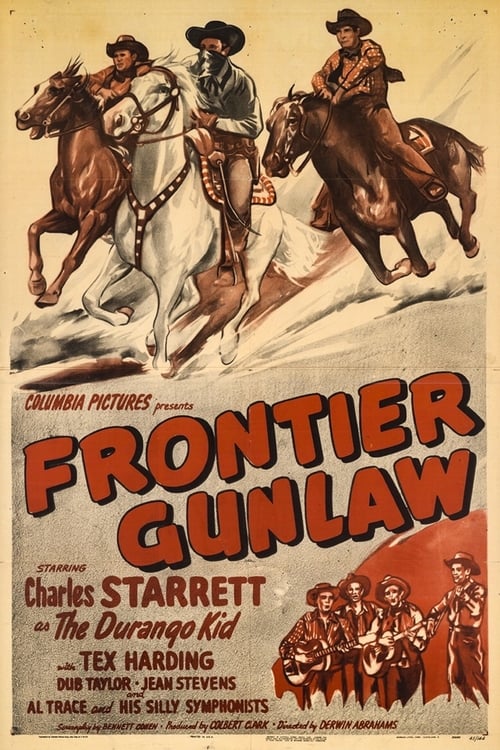
Frontier Gunlaw
1946
No user ratings available yet
Diversity score: 2.9 out of 10
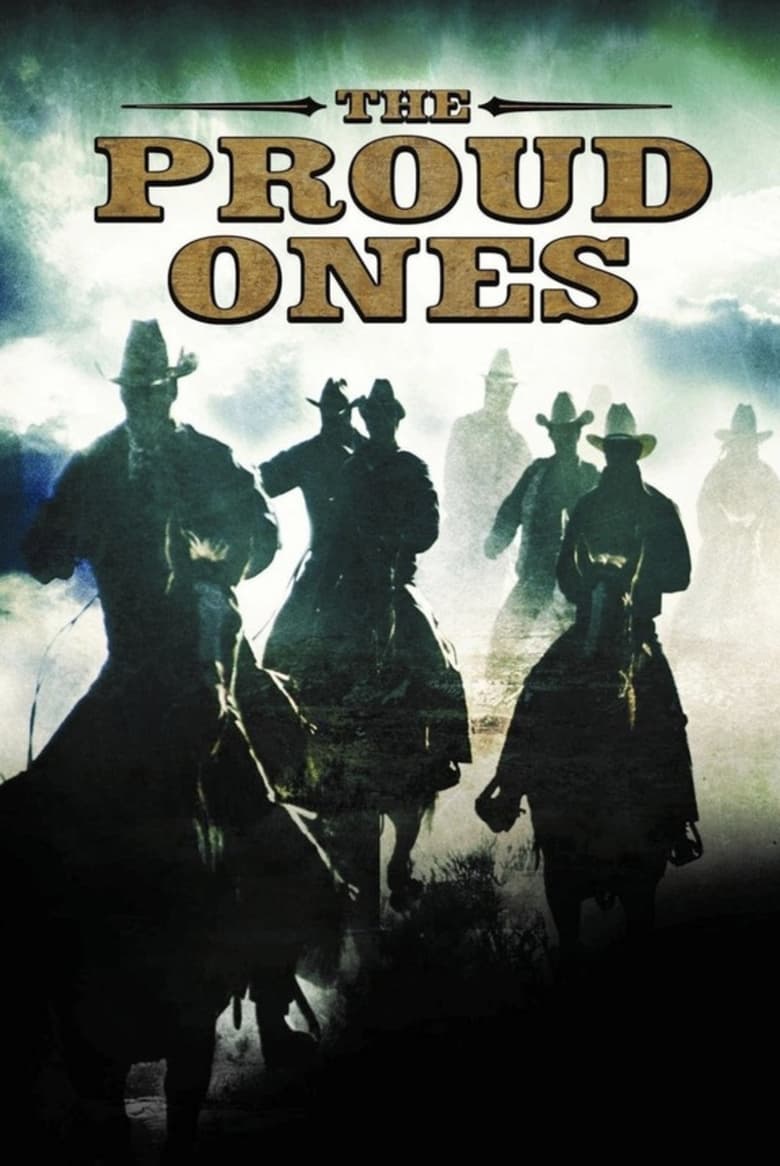
1956
NRDirector
Robert D. Webb
Runtime
94 minutes
Average Rating
No ratings yetSynopsis
Robert Ryan plays an aging sheriff responsible for law and order in a frontier cattle town. Virginia Mayo plays his fiancee. As if handling wild cattle drovers isn't enough, a crooked casino operator from Ryan's past comes to town. An early scuffle in the casino leaves Ryan with vision problems that interfere with his duties. Jeffrey Hunter who came to town with a cattle drive encounters Ryan, who killed Hunter's father when Hunter was young. Feelings of animosity soon change as Hunter begins to sense Ryan is telling the truth about his father. What follows is a plot that continues to thicken to the inevitable showdown.
Overall Score
Limited
Category Breakdown
LGBTQ+ Representation
The film adheres strictly to heteronormative structures. There is no evidence of non-cisnormative gender identities or same-sex intimacy.
Gender Representation
Women occupy secondary roles that support the primary masculine arc. The narrative focuses on male-driven conflict and physical prowess, reinforcing traditional gender hierarchies.
Racial & Ethnic Diversity
The cast reflects the historical homogeneity typical of 1950s Westerns. The story focuses on a predominantly white frontier community with no significant presence of characters of color.
Religious & Cultural Diversity
The film centers on the preservation of Western institutions and the rule of law. It reinforces the necessity of established authority and the sanctity of the family unit.
Disability Representation
The protagonist experiences vision problems following a casino altercation. This impairment serves primarily as a plot device to heighten tension and complicate his professional duties.
Strengths
Areas for Improvement
AI Analysis
The Proud Ones is a quintessential mid-century Western that prioritizes genre-standard archetypes over social subversion. The narrative focuses on individual responsibility and the maintenance of order within a frontier setting, operating entirely within the conventional boundaries of the era. While the film offers some character complexity through the protagonist's physical impairment, it lacks intentionality regarding intersectional representation. The story reinforces established social hierarchies rather than challenging them. Ultimately, the work functions as a study of duty and masculine conflict, remaining unaligned with contemporary progressive frameworks of diversity.
1946
1957
1924
1955

1960
1964
1958
1964
1959
1931
1946
1932
No reviews yet. Be the first to share your thoughts on this movie!
Use the rating form above to leave a star rating and optional review.