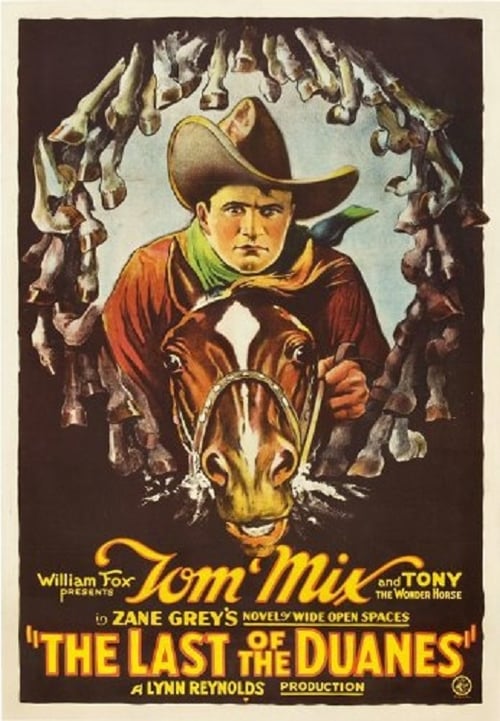
The Last of the Duanes
1924
No user ratings available yet
Diversity score: 2.2 out of 10
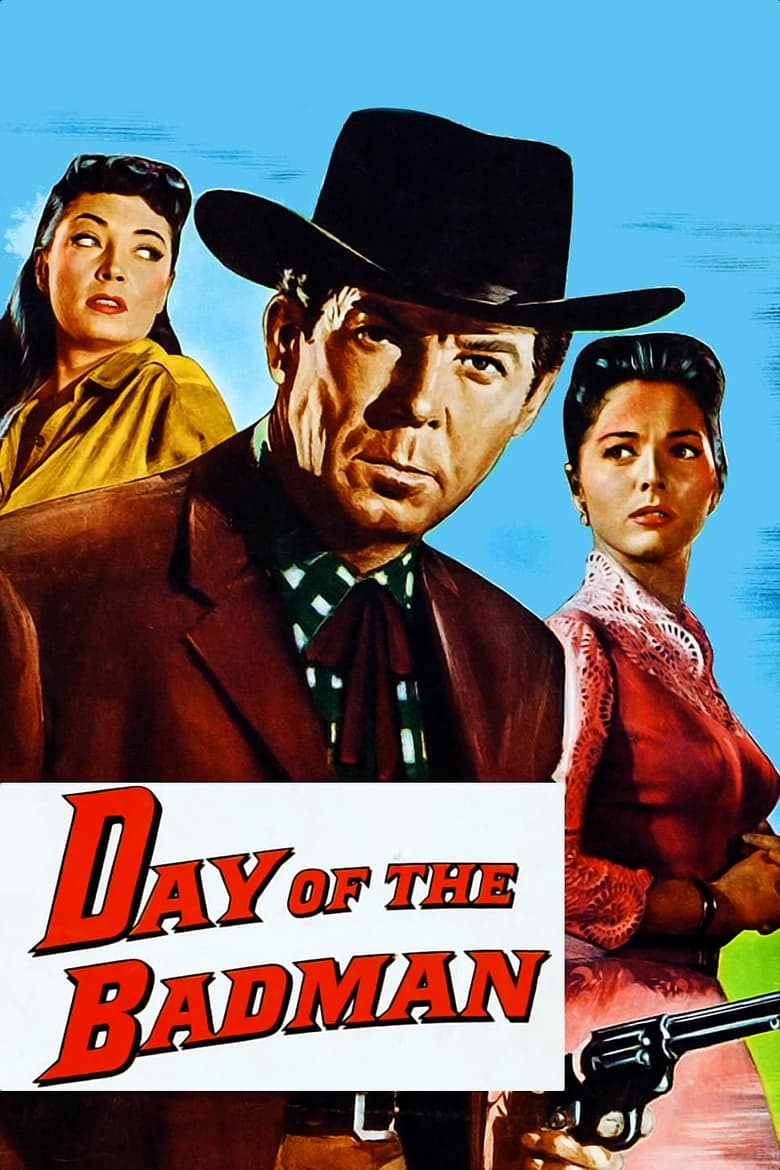
1958
NRDirector
Harry Keller
Runtime
81 minutes
Average Rating
No ratings yetSynopsis
Judge Jim Scott must contend with the vicious relatives of a murderer he's about to sentence...and his unfaithful fiancee.
Overall Score
Minimal
Category Breakdown
LGBTQ+ Representation
The film follows a strictly heteronormative structure. There is no presence of non-cisnormative identities or same-sex intimacy within the narrative.
Gender Representation
Gender roles adhere to mid-century hierarchies. A female character's infidelity serves primarily as a plot device to create conflict for the male protagonist.
Racial & Ethnic Diversity
The cast and setting appear largely homogeneous. The film lacks significant minority agency or evidence of color-blind casting.
Religious & Cultural Diversity
The story relies on traditional Western archetypes and individualist morality. It does not seek to critique Western institutions or deconstruct traditional family units.
Disability Representation
No characters appear to have visible or invisible disabilities. Disability is not used to drive character arcs or plot progression.
Strengths
Areas for Improvement
AI Analysis
Day of the Badman is a conventional 1958 Western that reinforces the social and racial hierarchies of its era. The narrative focuses on a male protagonist's struggle with justice and personal betrayal, centering on traditional masculine roles. The film lacks intersectional complexity, presenting a Western landscape through a primarily Anglo-Saxon lens. It relies on established tropes of heteronormativity and racial homogeneity rather than attempting to subvert genre expectations. Ultimately, the production aligns with standard mid-century industry conventions, offering a traditionalist view of law, order, and individual honor without significant cultural or social disruption.
1924
1942

1934
1940
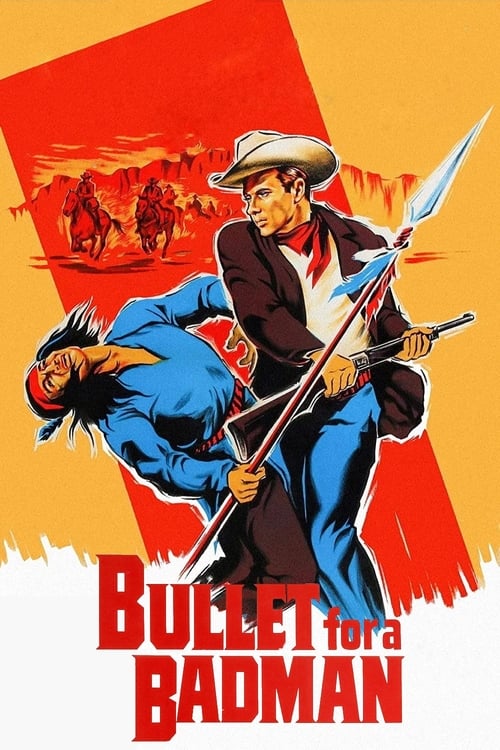
1964
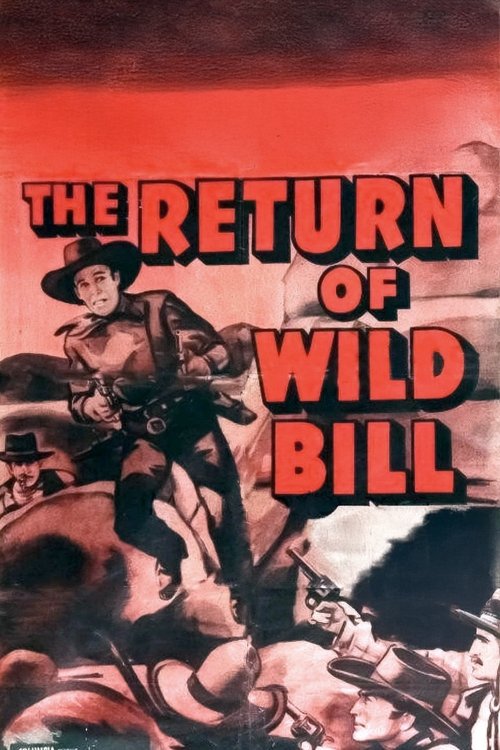
1940
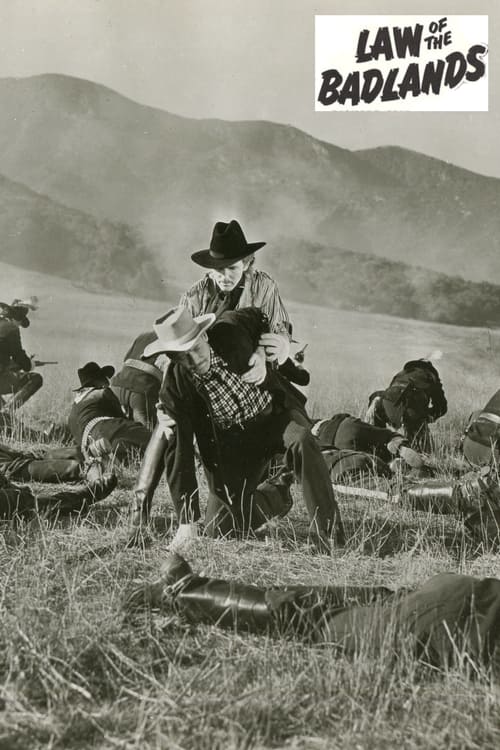
1945
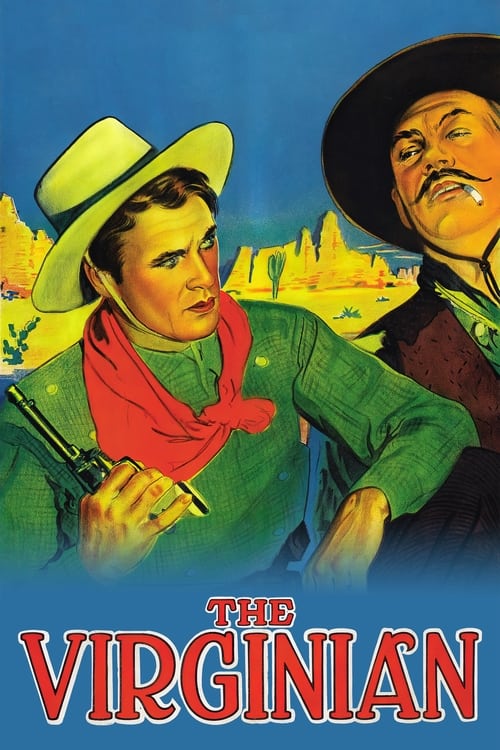
1929
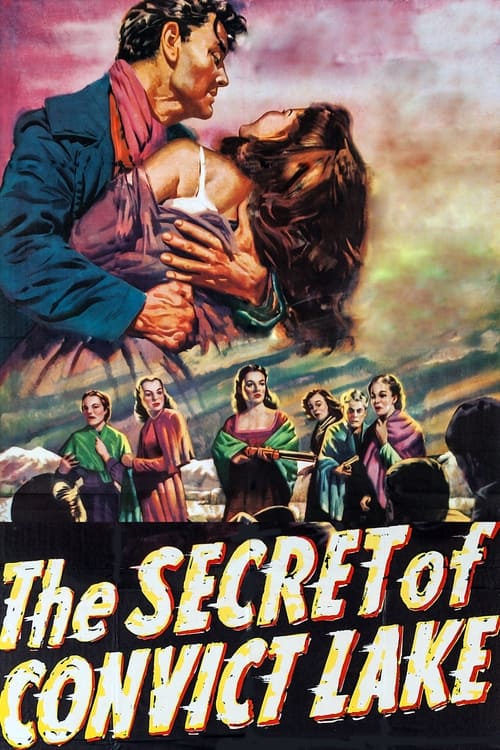
1951
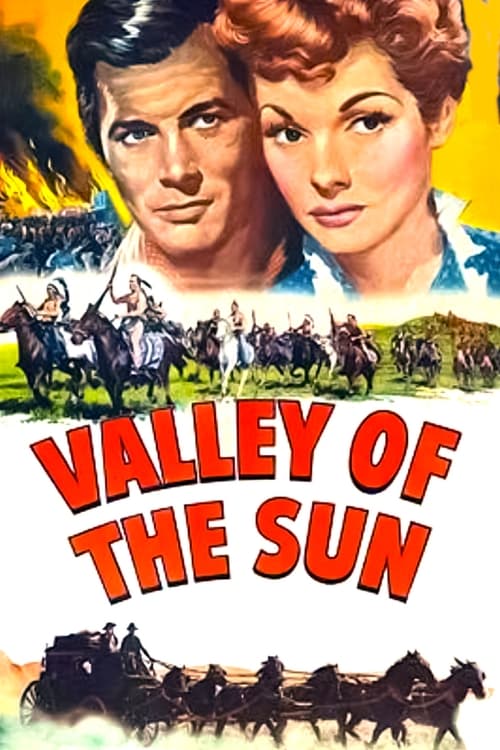
1942
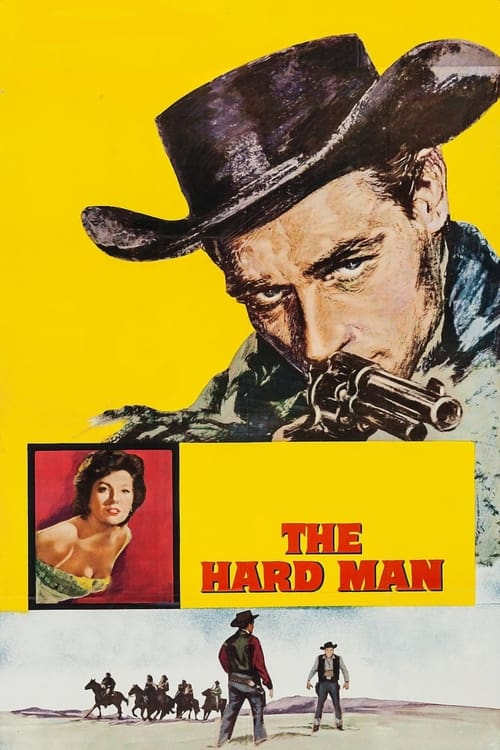
1957
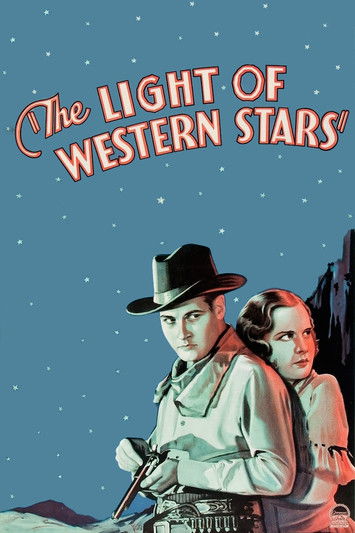
1930
No reviews yet. Be the first to share your thoughts on this movie!
Use the rating form above to leave a star rating and optional review.