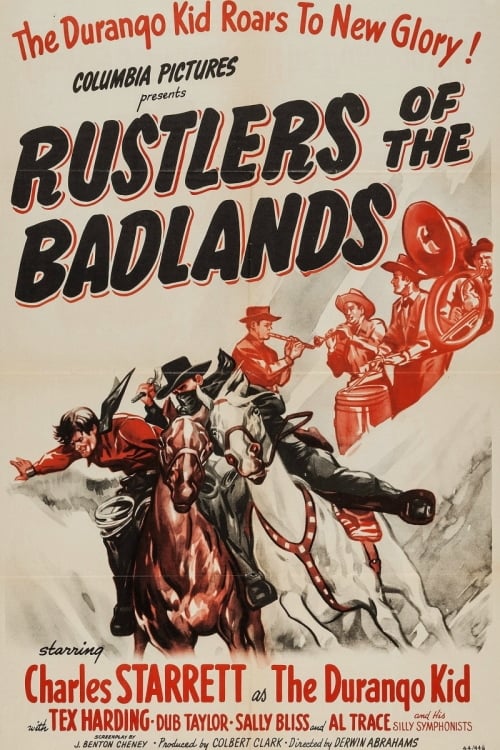
Rustlers of the Badlands
1945
No user ratings available yet
Representation score: 0.5 out of 10
Representation Score
Limited
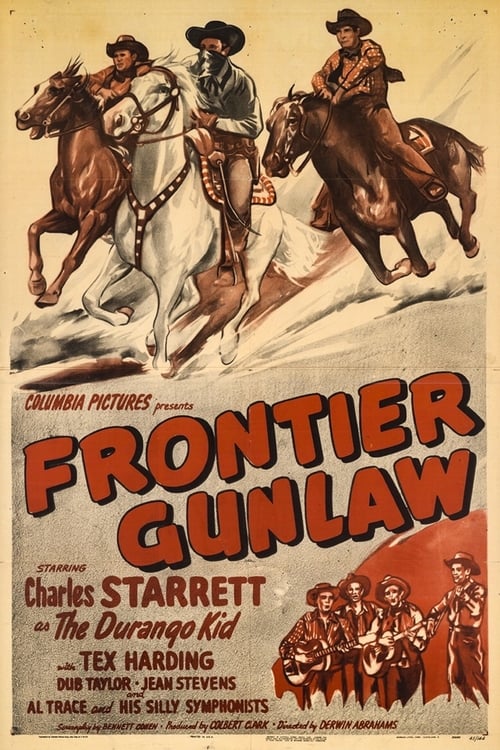
1946
ApprovedDirector
Derwin Abrahams
Runtime
60 minutes
Average Rating
No ratings yetNew Showbiz Analysis
Frontier Gunlaw is a product of its 1946 era, adhering strictly to the conventional formulas of the mid-century Western. The narrative prioritizes traditional masculine archetypes and the preservation of established social hierarchies. While the film includes a character with a physical disability, the portrayal remains limited. The protagonist's journey is driven by male leadership and the defense of property, leaving little room for diverse cultural voices. Ultimately, the film serves as a standard genre piece that reinforces the status quo rather than challenging it through diverse representation.
Category Breakdown
The film does not include any characters with non-straight or non-cisgender identities, nor does it feature any same-sex relationships. It focuses on traditional masculine roles typical of mid-century Westerns.
The narrative centers almost entirely on male characters like James Stewart, emphasizing traditional masculine leadership and the heroic protector cliché.
The setting follows the homogeneous casting norms of 1940s Westerns, with no mention of diverse ethnic perspectives or non-Anglo-Saxon characters.
The story operates within the standard frontier values regarding property and justice, following a traditional moral arc that preserves established social orders.
Matt Edwards is represented as a person using a wheelchair, but his role is limited to serving as a catalyst for the hero rather than having full ability to act.
Present on Screen
Limited or Absent
Official Synopsis
Jim Stewart comes to Mesa City and buys a ranch from publisher Matt Edwards, who is confined to a wheelchair. The area is terrorized by an outlaw gang known as The Phantoms. When Jim's cattle herd is rustled and his ranch foreman Pop Evans killed, he takes an active hand against the gang in his guise as the Durango Kid.
1945
1959
1946

1939
1947
1958
1946

1939
No reviews yet. Be the first to share your thoughts on this movie!
Use the rating form above to leave a star rating and optional review.