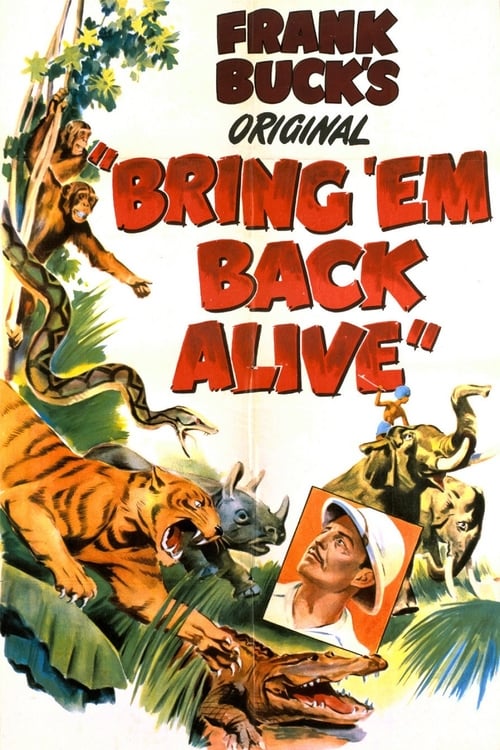
Bring 'Em Back Alive
1932
No user ratings available yet
Representation score: 0.3 out of 10
Representation Score
Minimal
1934
ApprovedDirector
Clyde E. Elliott
Runtime
60 minutes
Average Rating
No ratings yetNew Showbiz Analysis
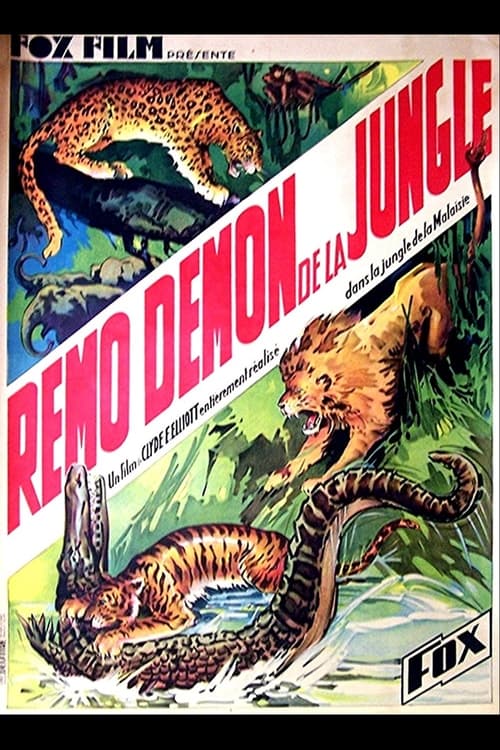
Devil Tiger primarily serves as a spectacle of animal combat rather than a character-driven narrative. The documentary-like footage of predator fights limits opportunities for deeper social representation. Although the film includes a Chinese boy, it still adheres to conventional Western hierarchies. The focus on 'white hunters' reinforces traditional gender roles and power dynamics typical of 1934 adventure cinema. Overall, the film emphasizes mastery over nature rather than nuanced human stories, maintaining the social norms of its time.
Category Breakdown
The film does not include any LGBTQ+ characters or stories that go beyond traditional heterosexual relationships. It focuses solely on adventure narratives from the early 1930s.
The story revolves around white hunters, emphasizing traditional masculine authority. There is no significant female presence in the main storyline.
A Chinese boy is featured prominently alongside the white hunters, offering some diversity. However, his role is limited within the context of 1930s storytelling.
The film follows Western adventure themes centered on conquering nature. It aligns with colonial-era ideas of dominance over the natural world through Western characters.
There are no characters with visible or invisible disabilities in the film.
Present on Screen
Limited or Absent
Official Synopsis
Africa's fiercest jungle beasts clash in mortal combat in this wild animal adventure thriller. A story of white hunters and a Chinese boy hunting the title beast, that takes a back seat to amazing documentary footage. A crocodile fights a tiger, a boa constrictor fights a buffalo, a lion fights a tiger, another lion fights a python--in fact, almost every big jungle animal is pitted against another in this film.
1932

1954
1938
1936
1963

1949

1953
1979
No reviews yet. Be the first to share your thoughts on this movie!
Use the rating form above to leave a star rating and optional review.