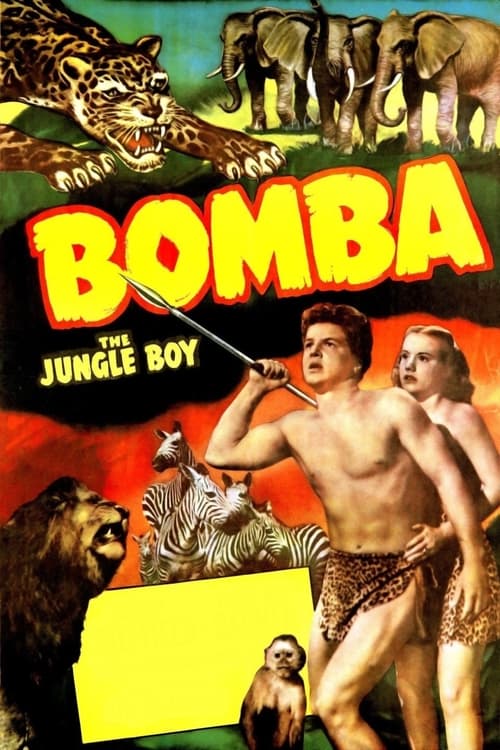
Bomba, the Jungle Boy
1949
No user ratings available yet
Representation score: 0.3 out of 10
Representation Score
Minimal
1950
NRDirector
Ford Beebe
Runtime
76 minutes
Average Rating
No ratings yetNew Showbiz Analysis
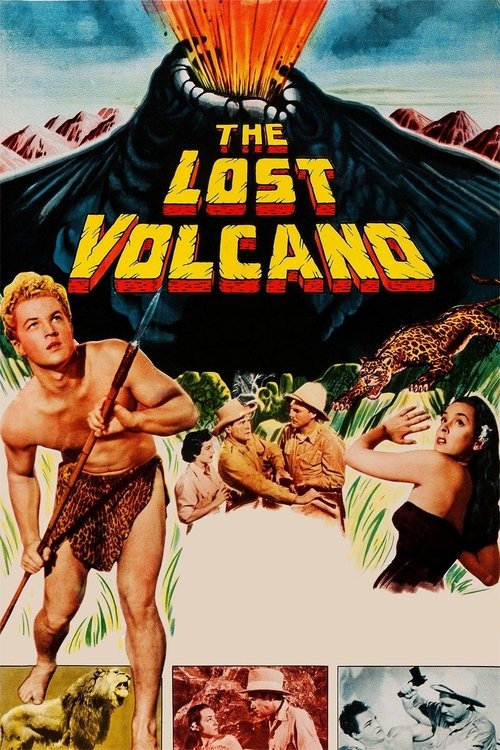
The Lost Volcano is a product of 1950s adventure cinema, prioritizing established genre clichés over social diversity. The narrative structure relies heavily on traditional hierarchies, both in terms of gender and colonial-era racial dynamics. While the film includes non-white characters, they are framed through the lens of servitude or exoticism, reinforcing the period's social norms rather than challenging them. Ultimately, the film functions as a conventional Western adventure, focusing on the nuclear family and the pursuit of treasure within a rigid social framework.
Category Breakdown
The film follows a traditional framework where everyone is assumed to be straight. There are no LGBTQ+ characters or stories involving non-straight relationships.
Gender roles in the film follow mid-century norms. Fred is portrayed as the active provider and hunter, while Ruth is shown in a supportive, domestic role.
The film includes non-white characters like Nona, a servant, which reinforces colonial-era power dynamics. Characters like Bomba, the jungle boy, are depicted using exoticized archetypes rather than nuanced identities.
The plot centers on Western adventurers seeking ancient treasure, emphasizing traditional explorer clichés focused on material wealth rather than diverse cultural perspectives.
There are no characters with visible or invisible disabilities mentioned in the narrative.
Present on Screen
Limited or Absent
Official Synopsis
Little David Gordon lives in the jungle with his parents Ruth and Fred, along with their servant Nona. David likes living there while his father captures wild animals; he's made friends with Bomba the jungle boy, who has shown him a great deal about life in the jungle. One day two adventurers come looking for ancient treasure in the shadow of a live volcano.
1949
1939
1951

1936

1952

1942
1955

1949
No reviews yet. Be the first to share your thoughts on this movie!
Use the rating form above to leave a star rating and optional review.