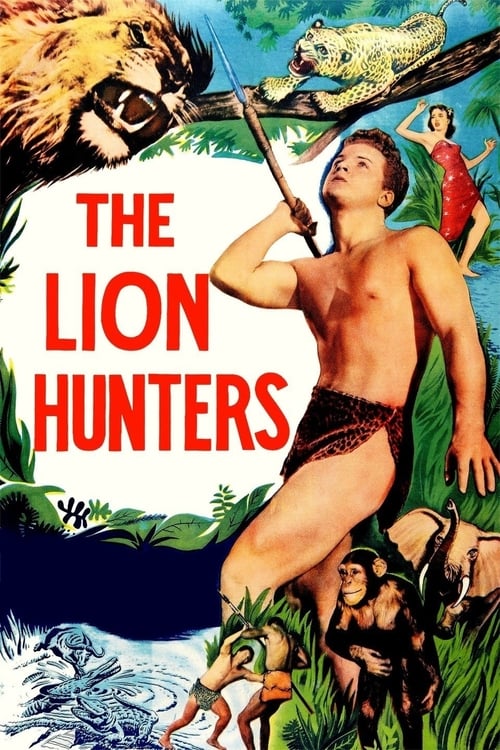
The Lion Hunters
1951
No user ratings available yet
Diversity score: 2.5 out of 10
1959
ApprovedDirector
Richard Thorpe
Runtime
91 minutes
Average Rating
No ratings yetSynopsis
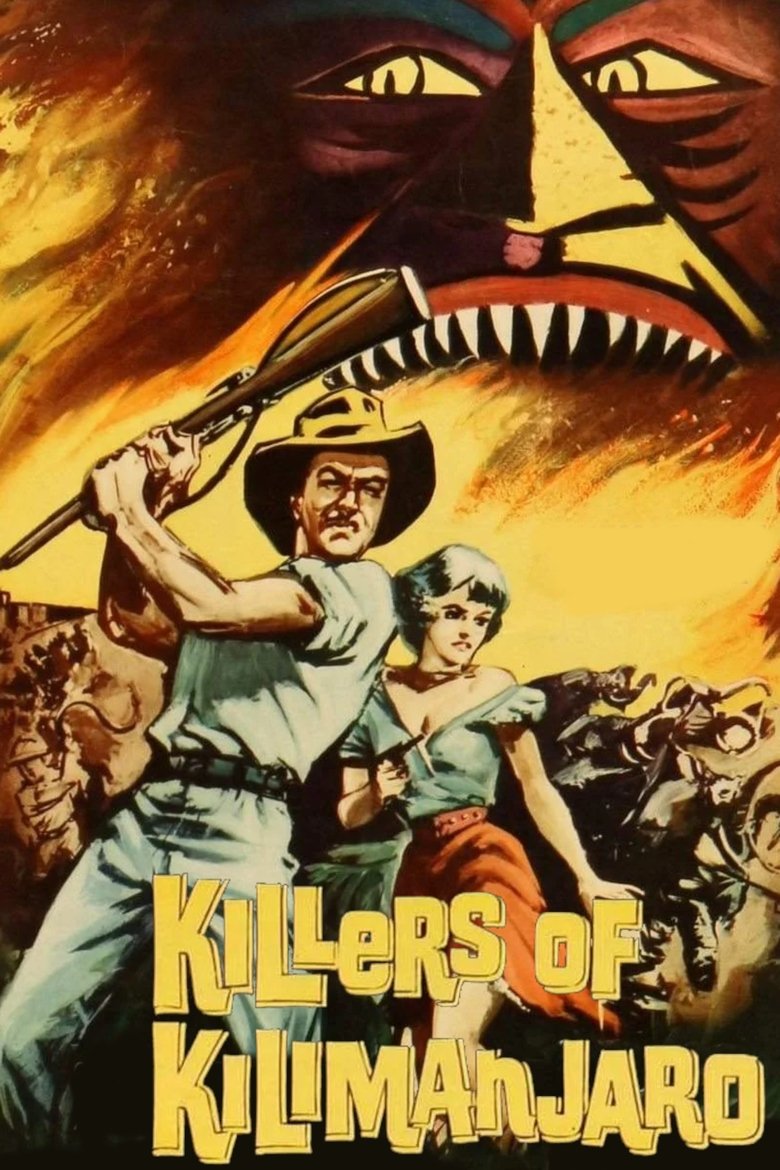
An American engineer reaches Mombasa to finish the works of an African railroad and to find his predecessor, who has mysteriously disappeared. While the work continues, will have to face several obstacles, especially violent local tribes, Arabs slave traders and wild animals.
Overall Score
Limited
Category Breakdown
LGBTQ+ Representation
The film lacks any evidence of non-heteronormative identities. It adheres to the traditional romantic or platonic structures typical of 1959 adventure cinema.
Gender Representation
Agency is concentrated in the male protagonist, an American engineer. Female characters likely occupy traditional roles or serve as figures requiring rescue.
Racial & Ethnic Diversity
The narrative utilizes local tribes and Arab traders as antagonists. This reinforces colonialist tropes by framing ethnic groups as obstacles to Western progress.
Religious & Cultural Diversity
The story centers Western industrial expansion through the construction of a railroad. It prioritizes Western values over local sovereignty or cultural complexity.
Disability Representation
There is no information regarding the portrayal of physical or neurodivergent disabilities in the narrative.
Strengths
Areas for Improvement
AI Analysis
Killers of Kilimanjaro functions as a standard artifact of mid-century Hollywood adventure. It relies heavily on the colonialist frameworks prevalent in 1959, positioning Western protagonists against perceived external threats. The film reinforces traditional hierarchies by casting local populations as obstacles to industrial progress. This lack of nuance prevents a more progressive or intersectional reading of the setting. Ultimately, the production adheres to established genre conventions rather than attempting to subvert or expand upon the social dynamics of the era.
1951
1968
1939
1957
1936
1920
1956
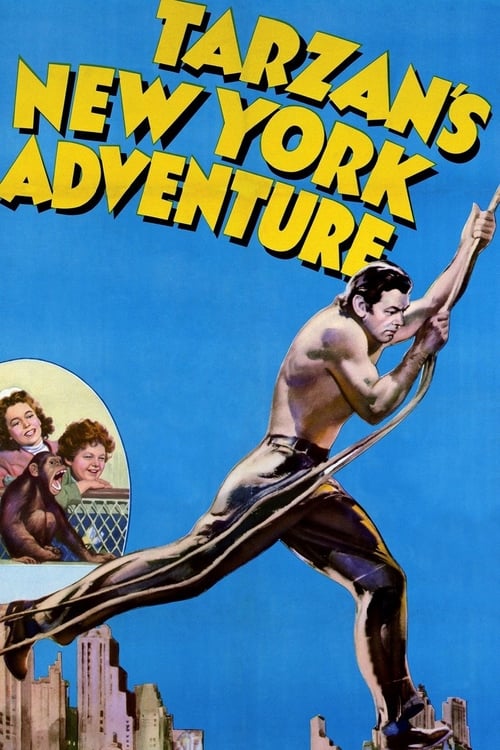
1942

1947
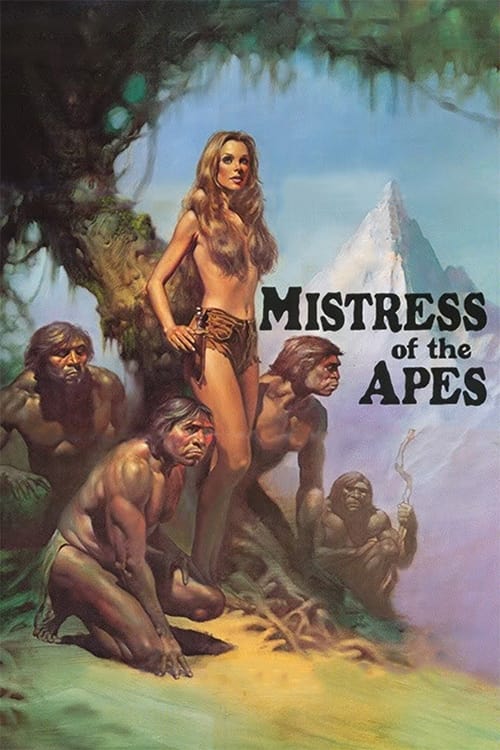
1979
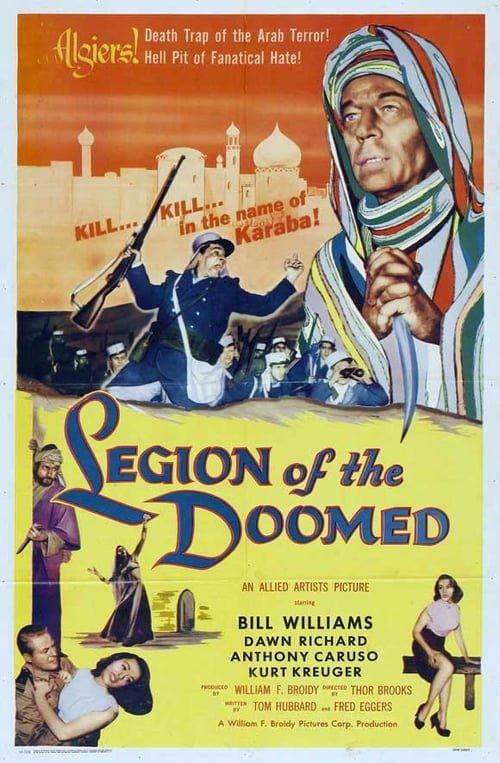
1958
1938
No reviews yet. Be the first to share your thoughts on this movie!
Use the rating form above to leave a star rating and optional review.