Eyes of the Jungle
1953
No user ratings available yet
Diversity score: 1.9 out of 10

1932
PassedDirector
Ray Taylor
Runtime
225 minutes
Average Rating
No ratings yetSynopsis
In Africa, two hunters meet a girl and her father who are searching for her lost brother. Their search is complicated by rival hunters who are after ivory and by a tribe of hostile natives.
Overall Score
Minimal
Category Breakdown
LGBTQ+ Representation
The film contains no evidence of LGBTQ+ characters or non-heteronormative identities. It adheres strictly to the heteronormative narrative expectations of the early 1930s.
Gender Representation
The plot centers on male hunters, relegating the female character to a role defined by her family connections. Her agency remains secondary to the male-driven search for a lost brother.
Racial & Ethnic Diversity
The narrative relies on 'hostile natives' as a source of conflict, a trope that frames indigenous populations as obstacles. This reinforces colonial-era power dynamics rather than providing character depth.
Religious & Cultural Diversity
The story follows Western adventure tropes of discovery and conquest in foreign lands. It lacks any critique of Western institutions or moral relativism regarding the African setting.
Disability Representation
There is no evidence of characters with physical or neurodivergent disabilities being portrayed with agency. No such representation is present in the narrative.
Strengths
Areas for Improvement
AI Analysis
Jungle Mystery is a quintessential product of 1932 B-movie adventure cinema. It follows a linear expeditionary structure that prioritizes external conflict and genre tropes over character complexity or social subversion. The film reinforces traditional hierarchies through its depiction of gender and race. By framing indigenous people as hostile obstacles and centering the plot on male hunters, the film upholds the colonial-era perspectives common to its period. Ultimately, the work lacks the narrative intentionality required to challenge social or cultural expectations, functioning instead as a standard reinforcement of early 20th-century heroic archetypes.
1953
1949
1954
1956
1920
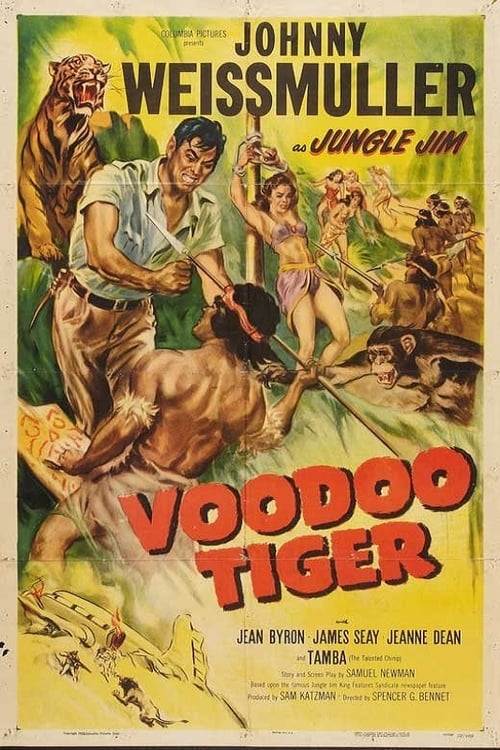
1952

1940
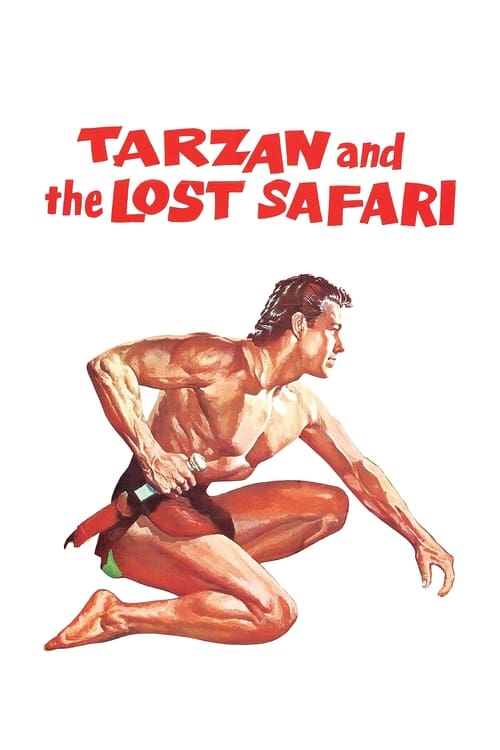
1957
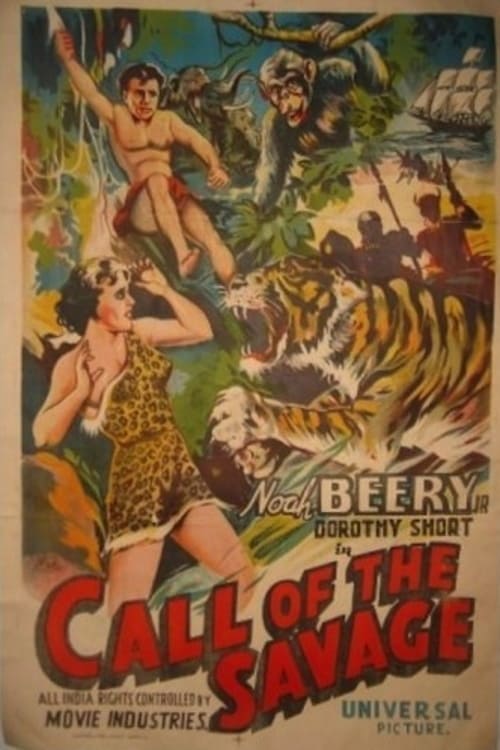
1935
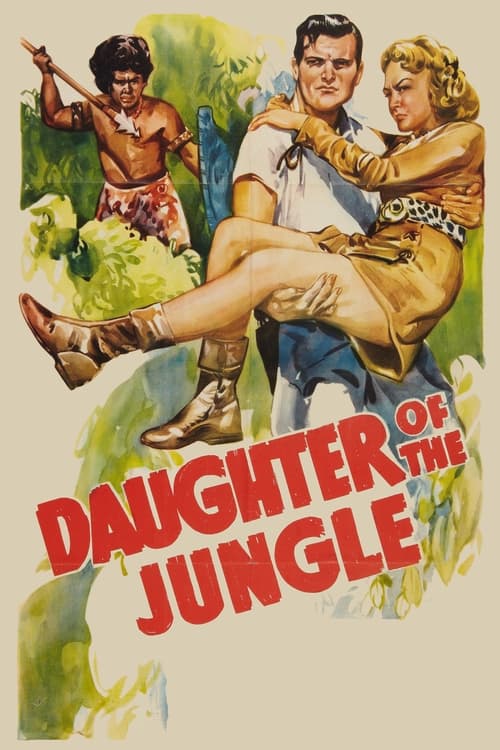
1949
1977
1940
No reviews yet. Be the first to share your thoughts on this movie!
Use the rating form above to leave a star rating and optional review.