
The Lion Hunters
1951
No user ratings available yet
Representation score: 1.5 out of 10

Representation Score
Minimal
1952
NRDirector
Ford Beebe
Runtime
70 minutes
Average Rating
No ratings yetNew Showbiz Analysis
African Treasure is a classic mid-century adventure serial that focuses on episodic action rather than complex social issues. The film leans heavily on established genre clichés, centered around a single male hero navigating an exoticized African landscape. While the setting is in Africa, the storytelling seems to follow the colonialist cinematic language common during the 1950s. The film operates as a simple hero narrative, reinforcing traditional hierarchies and moral binaries without offering nuanced or layered perspectives. Overall, the film reflects the social and cinematic conventions of its time without challenging conventional clichés.
Category Breakdown
The film does not feature any LGBTQ+ characters or stories. It follows traditional assumptions about straight relationships.
The main character, Bomba the Jungle Boy, is a male protagonist who drives the plot. Female characters seem to play supporting or passive roles.
The film sets its story in Africa but uses the 'Jungle Boy' archetype, which may rely on colonialist perspectives and exoticism rather than authentic representation.
The story follows traditional Western adventure clichés and a clear moral binary. It emphasizes a straightforward hero narrative with traditional values.
There are no characters with visible or invisible disabilities portrayed with significant influence in the narrative.
Present on Screen
Limited or Absent
Official Synopsis
Against stock footage of lions, elephants and wildebeasts, Bomba the Jungle Boy captures a pair of nefarious diamond smugglers.
1951

1950
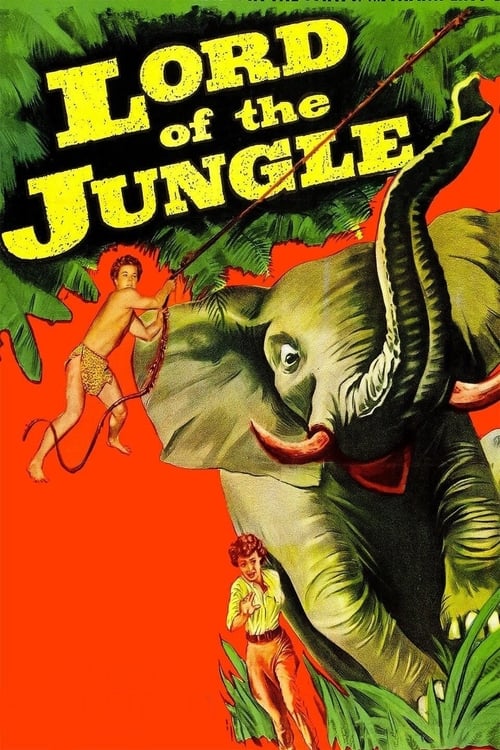
1955
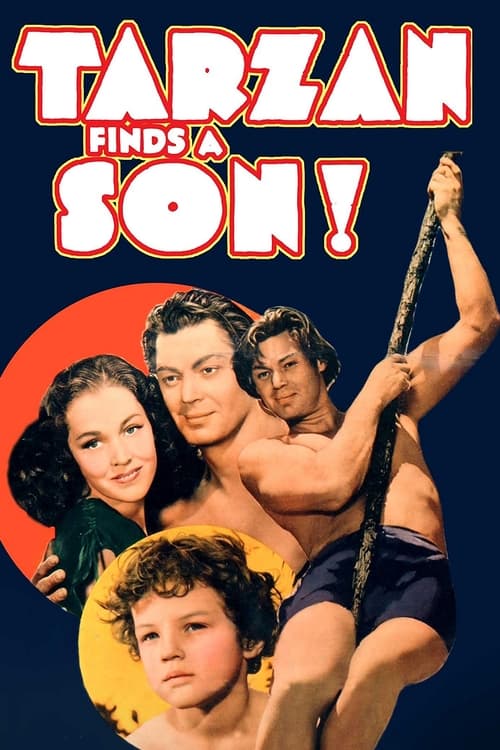
1939

1953

1936

1949

1954
No reviews yet. Be the first to share your thoughts on this movie!
Use the rating form above to leave a star rating and optional review.