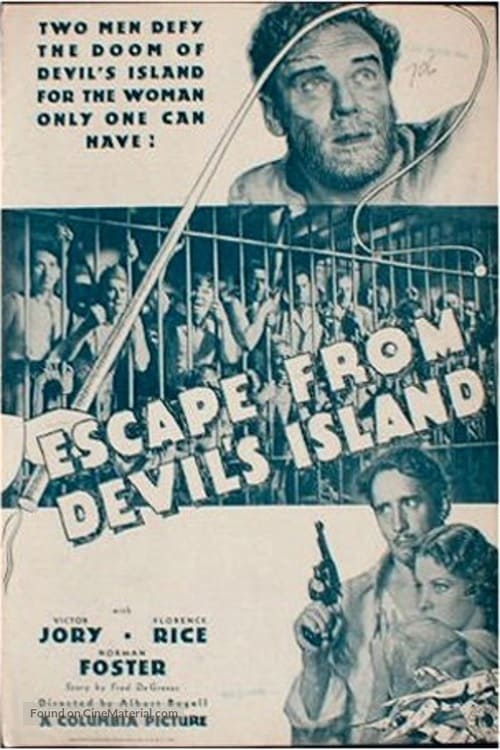
Escape from Devil's Island
1935
No user ratings available yet
Diversity score: 2.4 out of 10
1935
ApprovedDirector
Julien Duvivier
Runtime
88 minutes
Average Rating
No ratings yetSynopsis
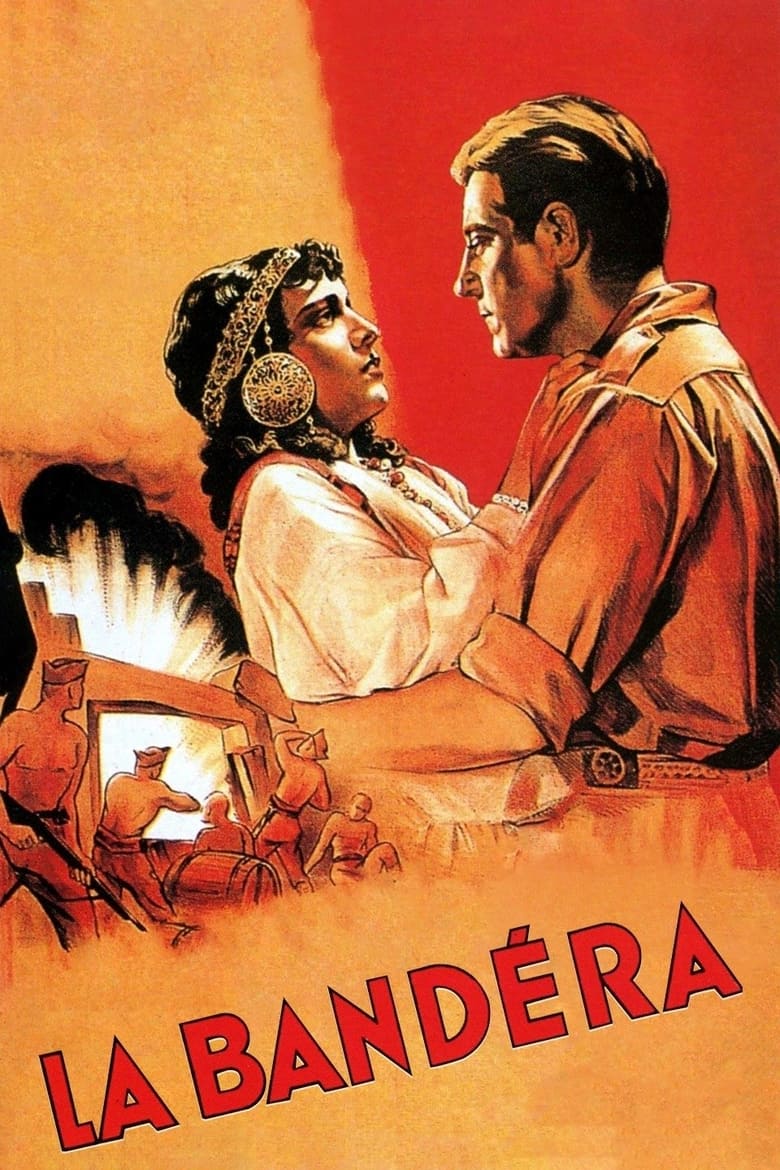
Pierre Gilieth has committed a murder in Paris. He flees to Barcelona, where he runs out of money. So he joins the Spanish Foreign Legion. He meets there two fellow countrymen, Mulot and Lucas. He tries to forget his fault... but Lucas's friendship soon appears to be less unselfish...
Overall Score
Limited
Category Breakdown
LGBTQ+ Representation
The film focuses almost exclusively on masculine bonds and rivalries within the Spanish Foreign Legion. There is no depiction of non-cisnormative identities or same-sex intimacy.
Gender Representation
The narrative operates within a strictly patriarchal framework. Female characters are minimal and occupy secondary roles, serving as peripheral elements to the central male odyssey.
Racial & Ethnic Diversity
The cast is predominantly white and European, reflecting the era's demographic norms. While set in North Africa and Spain, the cinematic focus remains on European protagonists.
Religious & Cultural Diversity
The film deconstructs Western institutions by portraying state and military structures as punitive. It uses a desert setting to explore moral relativism and the breakdown of authority.
Disability Representation
There are no prominent depictions of visible or invisible disabilities. Character struggles center on physical survival and psychological endurance.
Strengths
Areas for Improvement
AI Analysis
La Bandera is an existentialist drama that prioritizes the deconstruction of social hierarchies over demographic variety. It functions as a critique of institutional authority, focusing on the moral decay of outcasts rather than a diverse cast. While the film lacks modern intersectional representation, it succeeds in its thematic exploration of how extreme environments erode traditional social ethics. The narrative replaces conventional heroism with a gritty study of survival and betrayal. Ultimately, the film's value lies in its cultural critique of the military and prison systems, even as it remains limited by the patriarchal and Eurocentric standards of 1930s cinema.
1935
1931

1917

1949
1943

1943
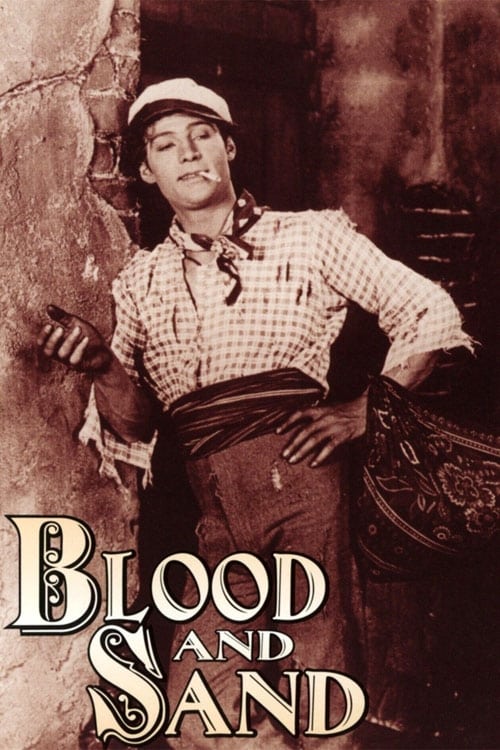
1922

1930

1934

1960

1933

1954
No reviews yet. Be the first to share your thoughts on this movie!
Use the rating form above to leave a star rating and optional review.