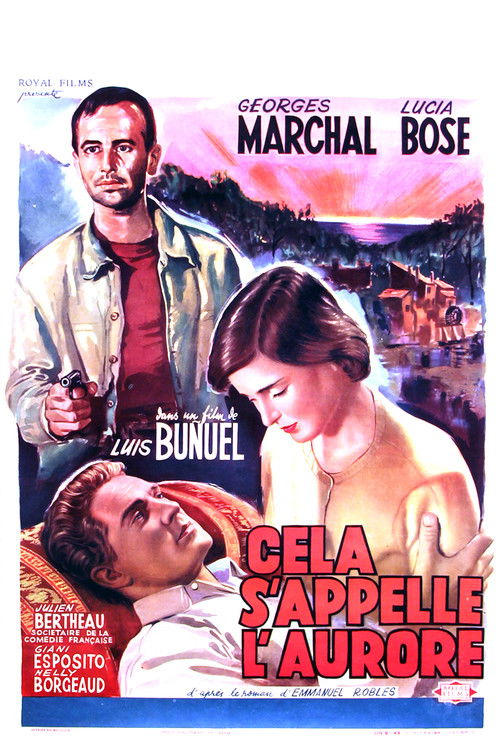
That Is the Dawn
1956
No user ratings available yet
Diversity score: 6.1 out of 10
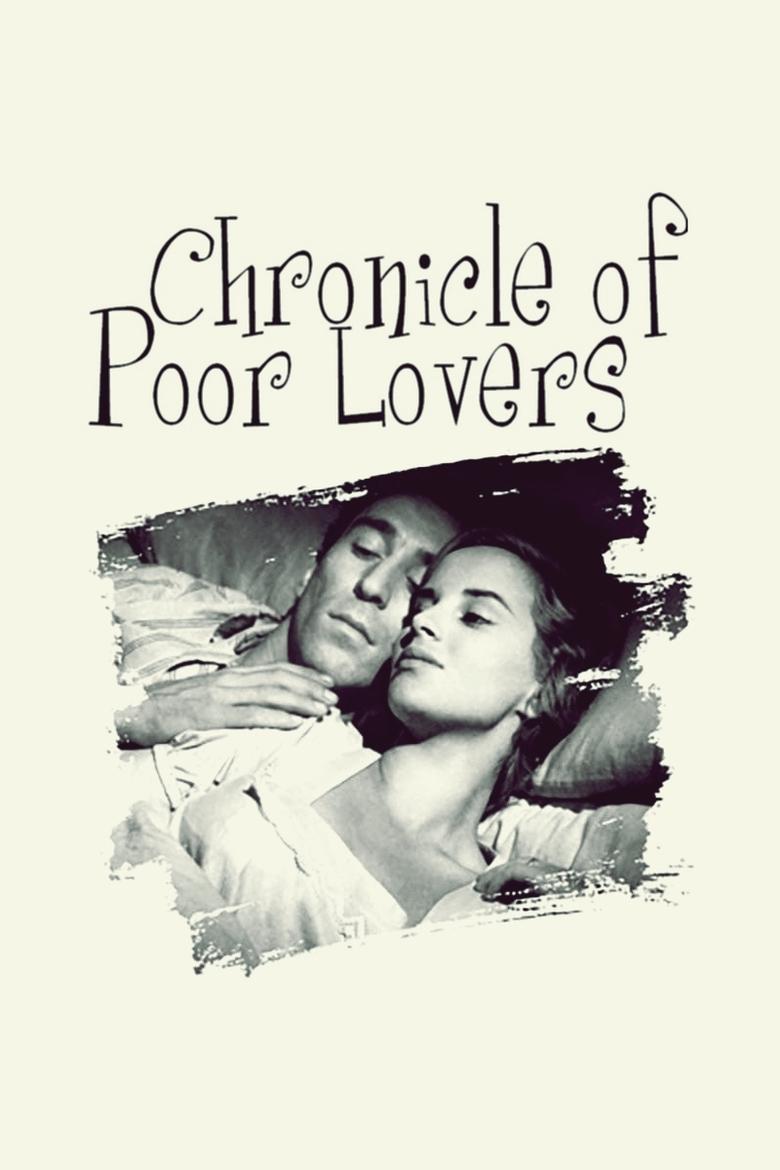
1954
Director
Carlo Lizzani
Runtime
105 minutes
Average Rating
No ratings yetSynopsis
Florence, Italy, 1925, during the fascist dictatorship. In order to live near his girlfriend Bianca, young Mario moves to a humble street in the old city center, where he befriends Maciste and Ugo, two anti-fascists.
Overall Score
Fair
Category Breakdown
LGBTQ+ Representation
The story centers on the romantic bond between Mario and Bianca. There is no explicit evidence of queer identities or non-cisnormative narratives within this period setting.
Gender Representation
Bianca serves as a vital emotional anchor and a primary motivator for the protagonist. However, her agency appears closely tied to the male-driven political trajectory.
Racial & Ethnic Diversity
The film reflects the demographic homogeneity of 1920s Florence. The narrative focuses on class and politics rather than multi-ethnic or intersectional representation.
Religious & Cultural Diversity
The film offers a strong critique of fascist hegemony and traditional power structures. It prioritizes the struggle of the working class against an oppressive state.
Disability Representation
There is no documented evidence regarding the portrayal of physical or neurodivergent disabilities in this work.
Strengths
Areas for Improvement
AI Analysis
Chronicle of Poor Lovers is a work of social realism that prioritizes political and class critique over demographic intersectionality. Its strength lies in its subversion of fascist authority and its focus on the agency of the working class. The film succeeds in challenging state-sanctioned morality by centering on anti-fascist resistance. However, it remains limited by the demographic homogeneity typical of its historical setting and era. While the narrative provides emotional depth through its central romance, it lacks explicit representation of LGBTQ+ identities or diverse racial backgrounds, focusing instead on the socio-political landscape of 1925 Italy.
1956

1929
2021
1985
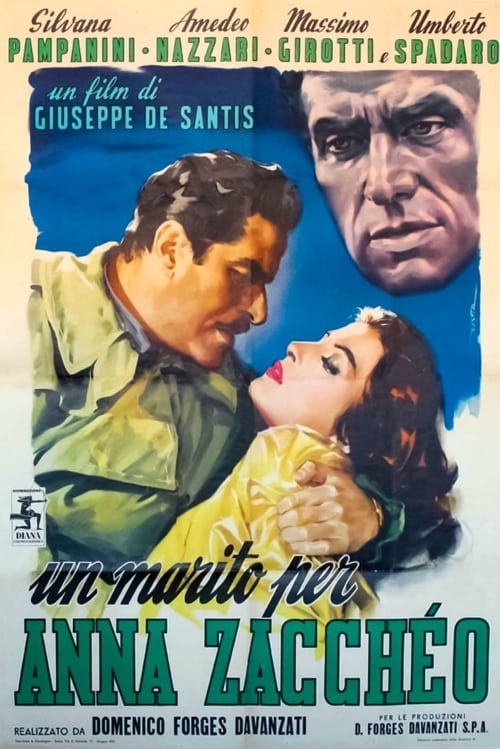
1953
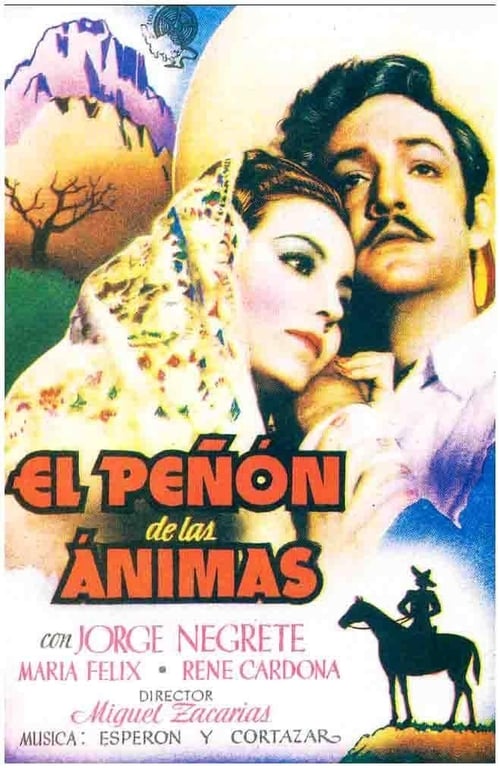
1943
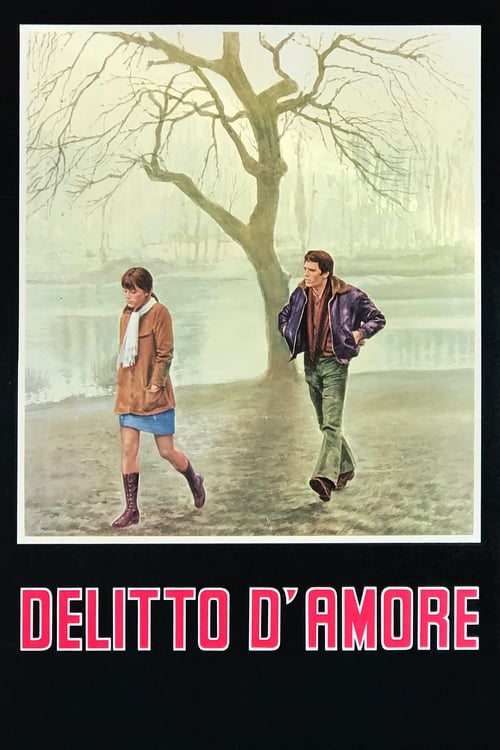
1974
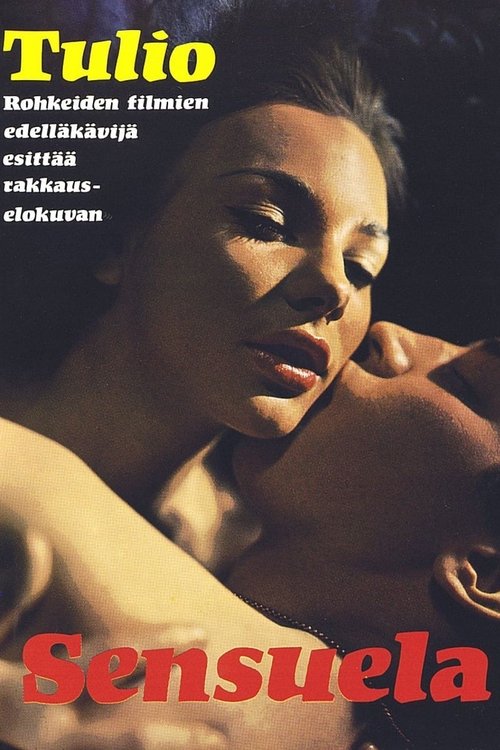
1973

1949
1945
1955
1956
No reviews yet. Be the first to share your thoughts on this movie!
Use the rating form above to leave a star rating and optional review.