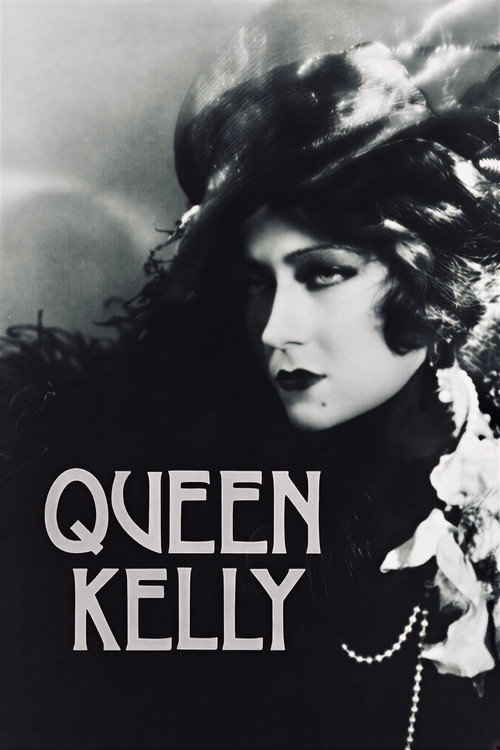
Queen Kelly
1929
No user ratings available yet
Representation score: 3.5 out of 10
Representation Score
Limited
1930
PassedDirector
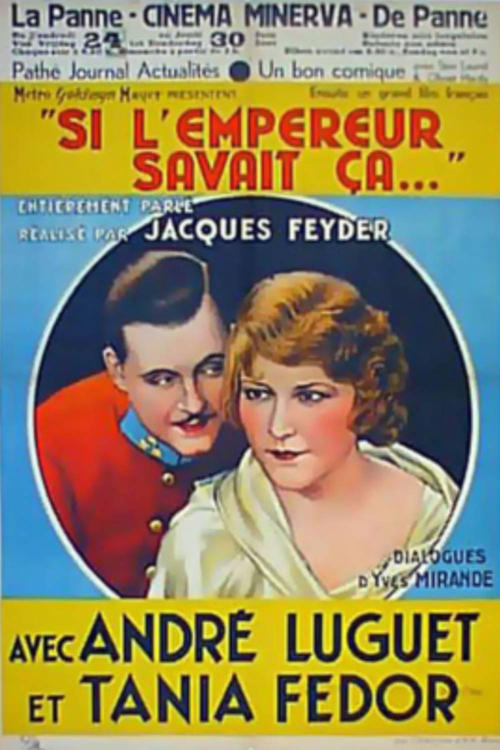
Jacques Feyder
Runtime
86 minutes
Average Rating
No ratings yetNew Showbiz Analysis
Jacques Feyder’s 1930 drama primarily focuses on the tension between institutional duty and individual desire through a period romance. The film’s progressive elements are limited to the female protagonist’s rejection of state-sanctioned marriages. While the princess asserts significant control over her life, the work remains confined to the demographic norms of early 20th-century European cinema, lacking in-depth exploration of diverse identities. Ultimately, the film highlights the struggle between personal autonomy and imperial obligations, rather than offering a broad exploration of various identities.
Category Breakdown
The story focuses on a heterosexual relationship between a princess and a cavalry captain. There are no representations of LGBTQ+ identities or critiques of the assumption that everyone is straight or cisgender.
The princess rejects an arranged marriage, demonstrating personal autonomy and disrupting traditional patriarchal norms by prioritizing her own desires over imperial duties.
Set within the Austro-Hungarian Empire, the narrative centers on a homogeneous white aristocracy, suggesting a lack of racial diversity.
The film examines the conflict between personal freedom and imperial institutions, critiquing rigid traditions while adhering to conventional dramatic structures.
There is no information on the portrayal of physical or neurodivergent characters in this film.
Present on Screen
Limited or Absent
Official Synopsis
A princess in the old Austro-Hungarian empire rejects her arranged marriage and falls, instead, for a dashing cavalry captain.
1929
1935

1926
1955
1936
1932
1933
1945
No reviews yet. Be the first to share your thoughts on this movie!
Use the rating form above to leave a star rating and optional review.