
Love Letter
1981
No user ratings available yet
Diversity score: 4.2 out of 10
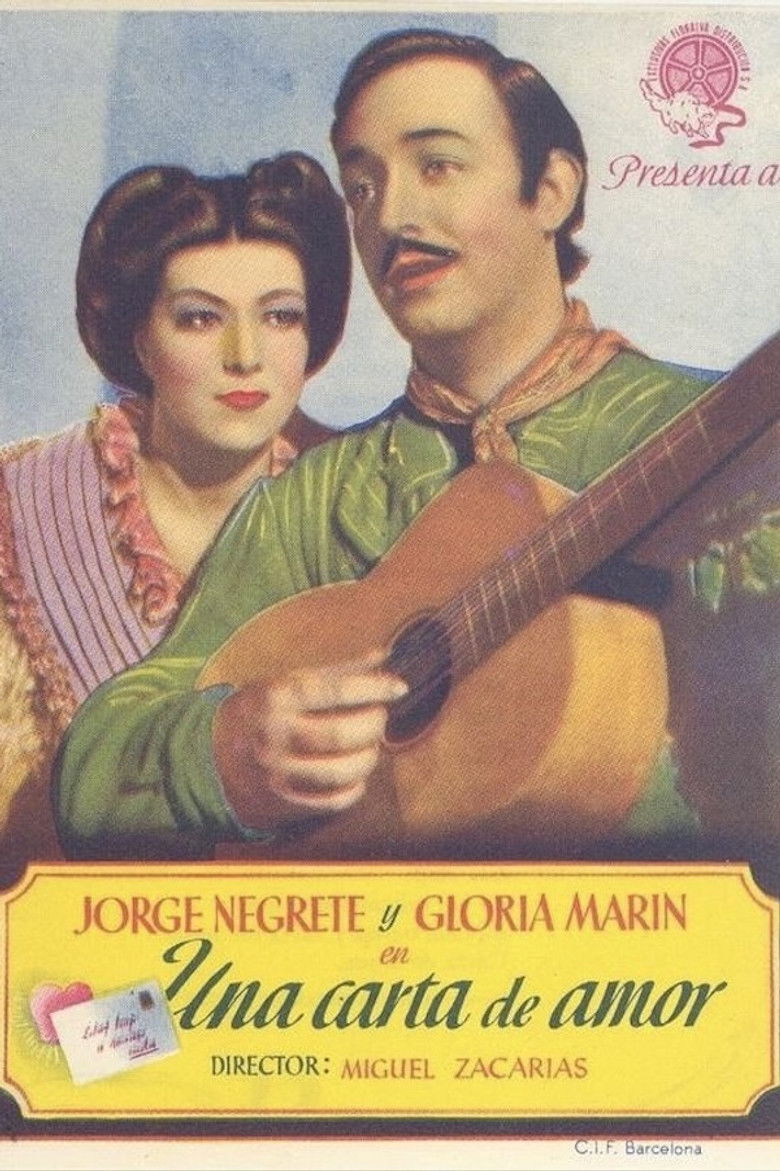
1943
Director
Miguel Zacarías
Runtime
117 minutes
Average Rating
No ratings yetSynopsis
Moments before he will be executed by the French Intervention Army, the liberal leader reads a love letter by his girlfriend. His memories provide the poetic pictures of this romantic historical drama.
Overall Score
Fair
Category Breakdown
LGBTQ+ Representation
The film focuses on a traditional romantic connection between the protagonist and his girlfriend. There is no evidence of LGBTQ+ characters or non-heteronormative narratives.
Gender Representation
The story centers on a male political leader, reflecting the patriarchal structures of the era. However, the female presence acts as a critical emotional catalyst through her written intimacy.
Racial & Ethnic Diversity
As a Mexican production, the film centers on national identity against foreign occupation. It positions the local population as protagonists fighting against a colonialist 'other'.
Religious & Cultural Diversity
The narrative engages deeply with anti-imperialism and the critique of foreign intervention. It prioritizes revolutionary sentiment and local political ideals over institutional historical records.
Disability Representation
There is no documented evidence regarding the portrayal of physical or neurodivergent disabilities in this work.
Strengths
Areas for Improvement
AI Analysis
A Letter of Love is a historical melodrama that prioritizes subjective emotional experience over a strictly chronological political account. It uses a non-linear structure to bridge the gap between a leader's final moments and his personal memories. The film's primary strength is its thematic resistance to imperialist narratives. By framing the struggle through a personal lens, it critiques the systemic violence of the French Intervention. However, the film adheres to the traditional cinematic conventions of the 1940s. It lacks intersectional identity representation and maintains a focus on conventional romantic and patriarchal structures.
1981

2010
1992
1976
2003

1954
1928
1935
1956

1995
1930
1958
No reviews yet. Be the first to share your thoughts on this movie!
Use the rating form above to leave a star rating and optional review.