
A Woman's Face
1938
No user ratings available yet
Representation score: 4.1 out of 10
Representation Score
Fair
1952
NRDirector
Felix E. Feist
Runtime
100 minutes
Average Rating
No ratings yetNew Showbiz Analysis
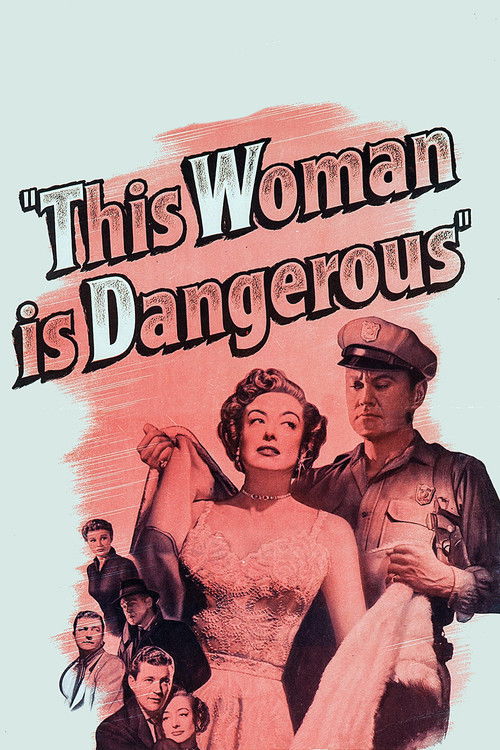
This film is a product of its 1952 era, characterized by a narrow demographic range and a homogeneous cast. It adheres to the casting conventions of the time, offering very little racial or ethnic variety. However, the film succeeds in challenging traditional gender roles. By centering a 'dangerous' woman with criminal autonomy, it defies passive female archetypes common in mid-century noir. While the portrayal of disability follows a conventional medical arc, the film's exploration of moral ambiguity adds a sophisticated layer of ethical complexity to the narrative.
Category Breakdown
The film does not include any LGBTQ+ characters or non-straight relationships. The romance focuses solely on a traditional heterosexual relationship between the main character and the doctor.
The main character breaks away from mid-century stereotypes by playing a significant role in driving the plot. She is a complex figure with criminal autonomy rather than a passive, domestic character.
The cast reflects a homogeneous social class typical of 1952 American cinema. There is a noticeable lack of racial or ethnic diversity among the actors.
The story explores moral ambiguity by questioning the subjectivity of guilt. It moves away from strict moral absolutes towards a more nuanced understanding of human behavior.
Visual impairment is a key plot element connected to the protagonist's emotional journey. However, the resolution follows a traditional medical restoration arc.
Present on Screen
Limited or Absent
Official Synopsis
A crime gang leader is losing her sight, so while her lover goes into hiding, she checks in to the hospital for extensive surgery to recover her eyesight. There she is treated by a handsome young doctor. As expected not only does the doctor successfully open her eyes, he also opens her heart for him.
1938

1952
1949
1937

1951
1950
1953
1953
No reviews yet. Be the first to share your thoughts on this movie!
Use the rating form above to leave a star rating and optional review.