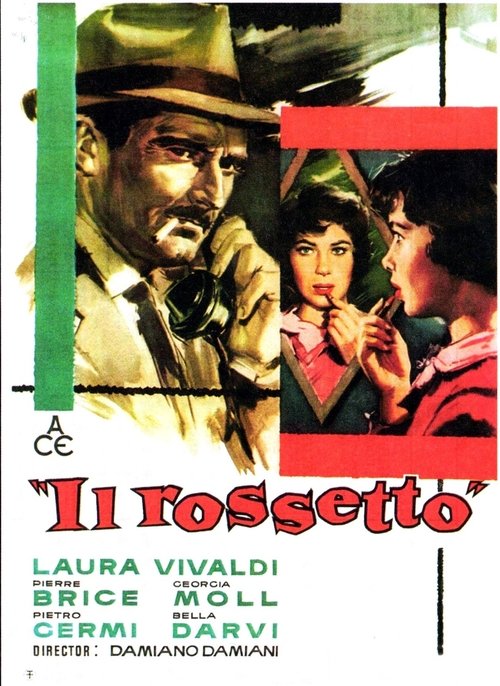
Lipstick
1960
No user ratings available yet
Representation score: 6.5 out of 10
Representation Score
Limited
1952
ApprovedDirector
Luigi Comencini
Runtime
97 minutes
Average Rating
No ratings yetNew Showbiz Analysis
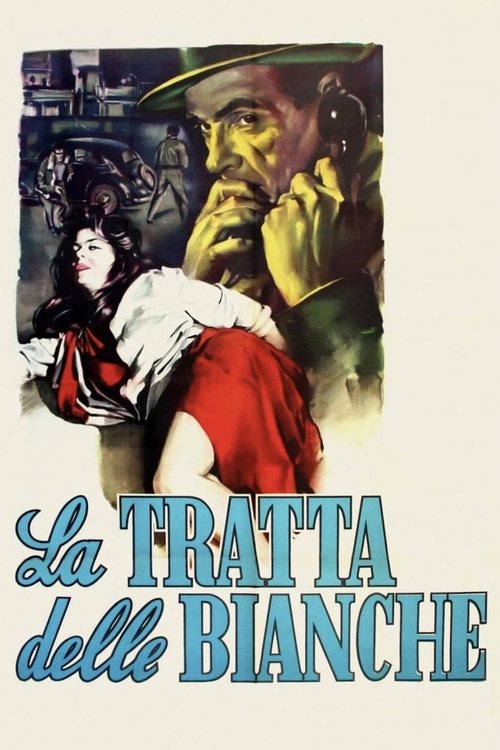
Luigi Comencini employs the principles of Italian Neorealism to offer a harsh critique of post-war society. By focusing on the underrepresented underclass in Genoa, the film avoids idealized, sanitized depictions of reconstruction, instead highlighting the moral ambiguity of human trafficking. While the film centers on female victimization, it lacks modern frameworks of empowerment. The narrative is driven by the actions of male criminals, leaving the female characters trapped in systemic traps rather than acting as primary agents of change. The production reflects the era's homogeneous social landscape, offering little in the way of racial or LGBTQ+ diversity. It remains a localized study of Italian social failures and the vulnerability of those living on the fringes of the law.
Category Breakdown
The film does not include any LGBTQ+ characters or stories that go beyond the assumption that everyone is straight. It focuses on traditional romantic relationships within a crime drama setting.
Women play key roles in the plot but are often portrayed as victims of a criminal underworld. Their ability to act independently is limited by patriarchal structures and the actions of male antagonists.
The story reflects the homogeneous social structures of post-war Genoa. There is no indication of a multi-ethnic cast or diverse ethnic representation.
The film uses Neorealism to critique social hierarchies and institutional failures. It challenges idealized views of post-war reconstruction by highlighting systemic exploitation.
There is no information about the portrayal of physical or neurodivergent disabilities in this work.
Present on Screen
Limited or Absent
Official Synopsis
In Genoa, amongst the underclass living on the fringes of the law, Machedi organises the trafficking of women, to be exploited and sent off to who knows where. One of these women is Alda, who has evaded the ring once, but when her boyfriend is arrested, finds herself back in Machedi's net.
1960

1949

1952
1937
1964
1949
1957
1953
No reviews yet. Be the first to share your thoughts on this movie!
Use the rating form above to leave a star rating and optional review.