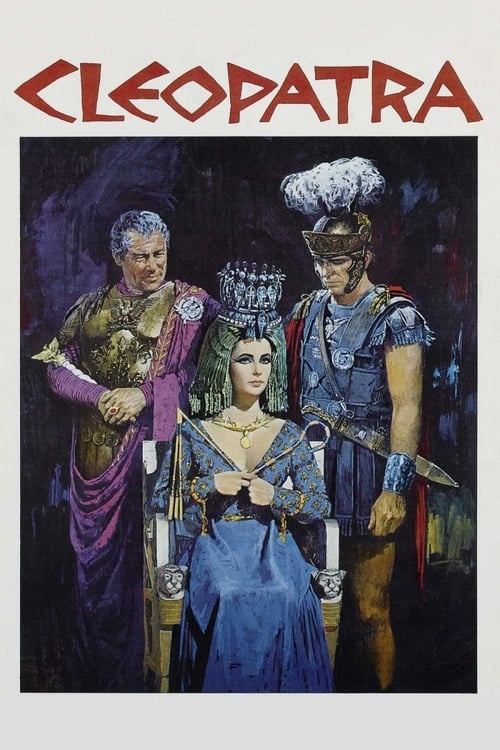
Cleopatra
1963
No user ratings available yet
Representation score: 2.9 out of 10
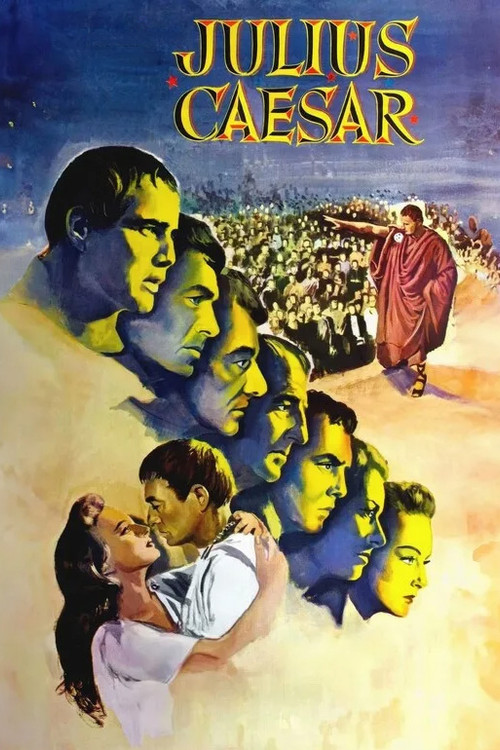
Representation Score
Limited
1953
NRDirector
Joseph L. Mankiewicz
Runtime
121 minutes
Average Rating
No ratings yetNew Showbiz Analysis
This adaptation of Shakespeare's classic is shaped by its mid-century production context, leading to a narrow demographic focus. The cast is homogeneous and the narrative adheres to a traditional Eurocentric view of ancient Rome. However, the film avoids being a straightforward patriarchal melodrama. Female characters like Portia are given substantial psychological depth, challenging the typical submissive clichés of the era. Ultimately, the film's strength lies in its intellectual complexity, using moral ambiguity and the breakdown of political institutions to explore justice and authority in a nuanced manner.
Category Breakdown
The film focuses solely on the political and interpersonal dynamics of the Roman male hierarchy. There is no representation of LGBTQ+ identities or queer subtext in the character arcs.
Portia and Calpurnia have meaningful roles, with Portia asserting a significant influence through her intellectual and political discussions. However, these women are ultimately confined to tragic roles defined by male political struggles.
The production features a homogeneous cast reflective of 1953 standards. The narrative upholds a traditional, Eurocentric depiction of ancient times without diverse casting.
The story explores moral relativism by framing the assassination as both a crime and a defense of liberty. It portrays the Roman populace as a volatile, destabilizing force.
No characters with visible or invisible disabilities are central to the narrative. Disability is not used as a significant plot device.
Present on Screen
Limited or Absent
Official Synopsis
The growing ambition of Julius Caesar is a source of major concern to his close friend Brutus. Cassius persuades him to participate in his plot to assassinate Caesar but both have sorely underestimated Mark Antony.
1963

1937
1979

1964

1950

1951

1990
1948
No reviews yet. Be the first to share your thoughts on this movie!
Use the rating form above to leave a star rating and optional review.