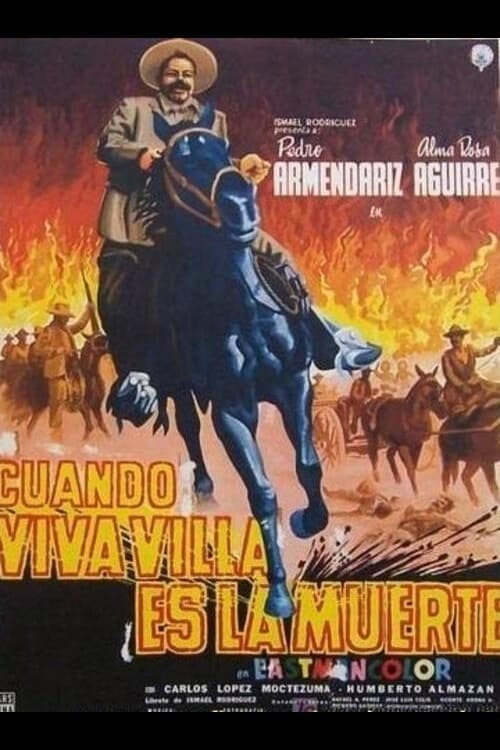
This Was Pancho Villa: Third chapter
1958
No user ratings available yet
Representation score: 5.7 out of 10
Representation Score
Limited
1970
RDirector
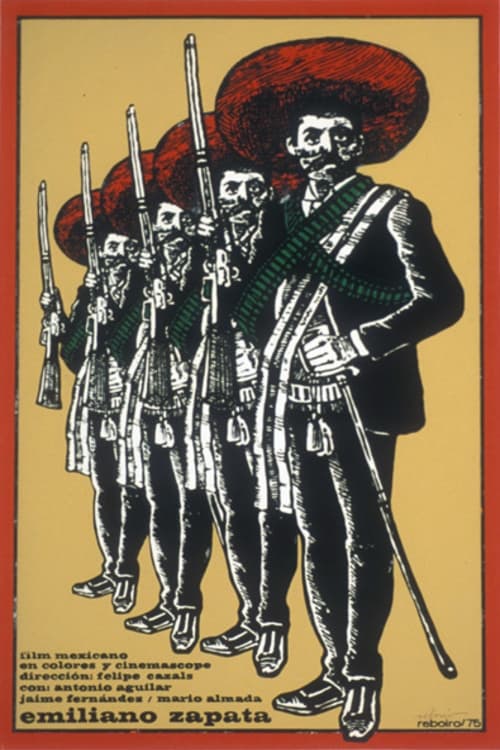
Felipe Cazals
Runtime
120 minutes
Average Rating
No ratings yetNew Showbiz Analysis
Felipe Cazals' *Emiliano Zapata* is a gritty work of social realism that prioritizes class struggle over romanticized history. It succeeds by centering the lived experiences of the oppressed peasantry, offering a powerful post-colonial perspective on land reform and systemic corruption. However, the film remains limited by the social constraints of its time. The lack of LGBTQ+ representation and adherence to traditional gender hierarchies prevent a higher score in social inclusivity. Ultimately, the film's strength lies in its cultural and ethnic depth. It effectively deconstructs power dynamics by focusing on the collective struggle of indigenous and mestizo populations against exploitative institutions.
Category Breakdown
The film adheres to the historical constraints of early 20th-century rural Mexico. There are no characters with non-traditional gender identities or same-sex relationships.
Women are primarily shown in domestic or supportive roles during the conflict. They are portrayed as resilient survivors, but the film upholds traditional gender hierarchies and male leadership.
The story focuses on mestizo and indigenous identities by highlighting the peasantry of Morelos. It emphasizes the collective ability to act of underrepresented ethnic groups rather than traditional nationalist themes.
The film provides a sophisticated critique of capitalist land ownership and Westernized state structures. It highlights the tension between centralized government and traditional communal peasant identities.
The film shows the physical toll of war and trauma. However, there are no characters whose narrative arcs are defined by specific visible or invisible disabilities.
Present on Screen
Limited or Absent
Official Synopsis
This is the story of a man, Emiliano Zapata, and of a revolution, the Mexican Revolution.
1958
1952
1987
2008
2010
1977
1968
1969
No reviews yet. Be the first to share your thoughts on this movie!
Use the rating form above to leave a star rating and optional review.