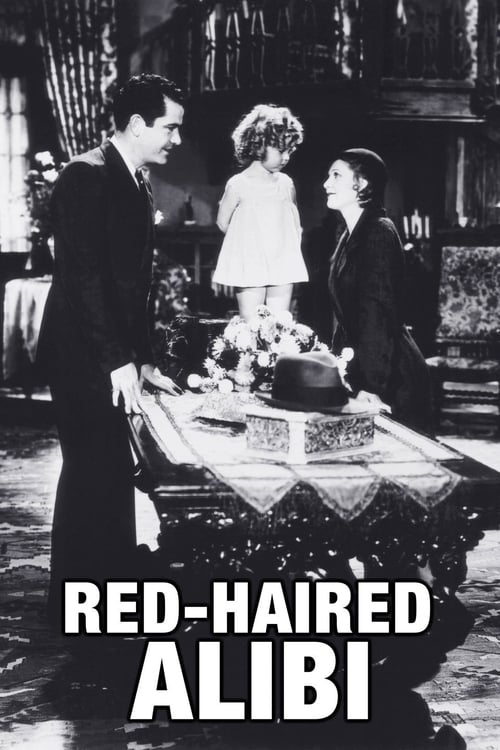
Red Haired Alibi
1932
No user ratings available yet
Representation score: 1.4 out of 10
Representation Score
Fair
1929
PassedDirector
E.A. Dupont
Runtime
109 minutes
Average Rating
No ratings yetNew Showbiz Analysis
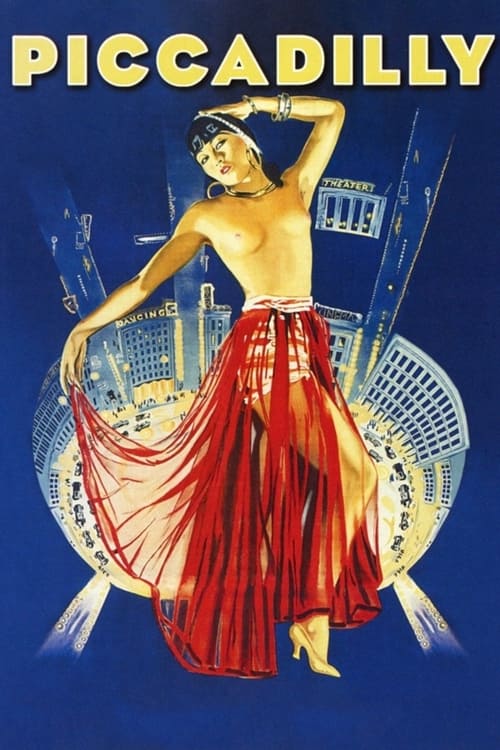
Piccadilly stands out for its time by giving a woman of color a central, complex role. Casting Anna May Wong in such a position breaks from the predominantly white casts common in the 1920s. The film also explores gender and class dynamics in a sophisticated manner. The protagonist is not passive but actively navigates the power structures of different social worlds. While the film does not include LGBTQ+ representation or disability narratives, its examination of socioeconomic boundaries and racial representation makes it a historically significant work.
Category Breakdown
The film focuses on a love triangle involving a wealthy man and a criminal figure. There are no queer subtexts or non-cisgender identities in the plot.
The story challenges traditional gender roles by centering on a female protagonist. She actively pursues social mobility and plays a significant role in driving the plot.
Anna May Wong's central role highlights the film's focus on racial ability to act. A woman of color is placed at the heart of the story in a Western urban setting.
The film examines social hierarchy and moral relativism by contrasting the upper class with the underworld. It offers a nuanced view of these themes.
The film does not prominently feature physical or neurodivergent disabilities that significantly impact the narrative.
Present on Screen
Limited or Absent
Official Synopsis
A young Chinese woman, working in the kitchen at a London dance club, is given the chance to become the club's main act.
1932
1937
1931
1932
1932

1919
1940
1935
No reviews yet. Be the first to share your thoughts on this movie!
Use the rating form above to leave a star rating and optional review.