Black Hair
1964
No user ratings available yet
Representation score: 6.6 out of 10
Representation Score
Fair
1919
NRDirector
William Worthington
Runtime
54 minutes
Average Rating
No ratings yetNew Showbiz Analysis
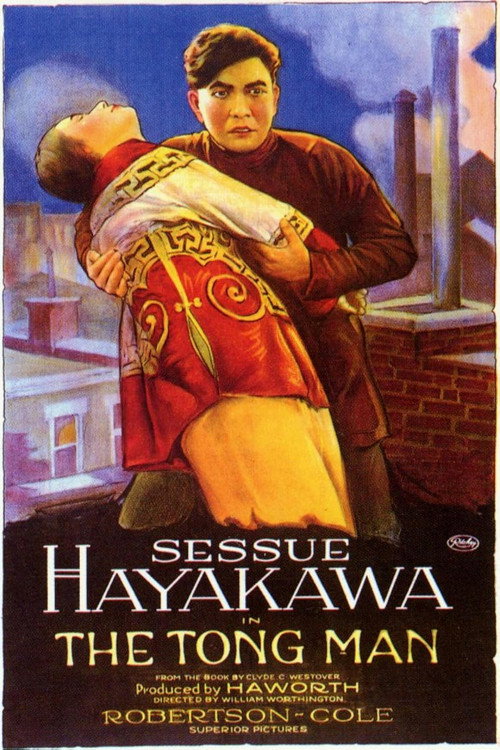
This film stands out historically by challenging the racial uniformity typical of 1919 American cinema. Featuring an East Asian lead like Sessue Hayakawa, it defies the era's standard narrative expectations and showcases specific cultural details. However, the film is still confined by the period's social clichés. Gender dynamics are tied to conventional structures where the female lead lacks autonomy, and cultural themes depend on established depictions of organized crime and opium. Overall, the film balances groundbreaking racial representation with traditional, limited portrayals of gender and culture.
Category Breakdown
The film does not include any LGBTQ+ characters or stories involving non-straight relationships. The main conflict revolves around a traditional romance between Luk Chen and Sen Chee.
Sen Chee serves mainly as an object of desire and a catalyst for the male lead's conflict. She does not have much control over her own life, which is shaped by the men around her.
The film breaks away from Anglo-centric norms by featuring an East Asian lead and setting the story in San Francisco's Chinatown. It offers specific cultural details rarely seen in silent-era films.
The story delves into morality within the 'tong' structure and organized crime. However, it stays rooted in era-specific clichés about opium and societal concerns.
There are no characters with visible or invisible disabilities mentioned in the narrative.
Present on Screen
Limited or Absent
Official Synopsis
An opium smuggler is marked for murder in this story of the Chinese Mafia.
1964

1995
1931
2017
1962
1929
1937
1951
No reviews yet. Be the first to share your thoughts on this movie!
Use the rating form above to leave a star rating and optional review.