Main Street After Dark
1945
No user ratings available yet
Representation score: 0.6 out of 10
Representation Score
Minimal
1940
NRDirector
Terry O. Morse
Runtime
55 minutes
Average Rating
No ratings yetNew Showbiz Analysis
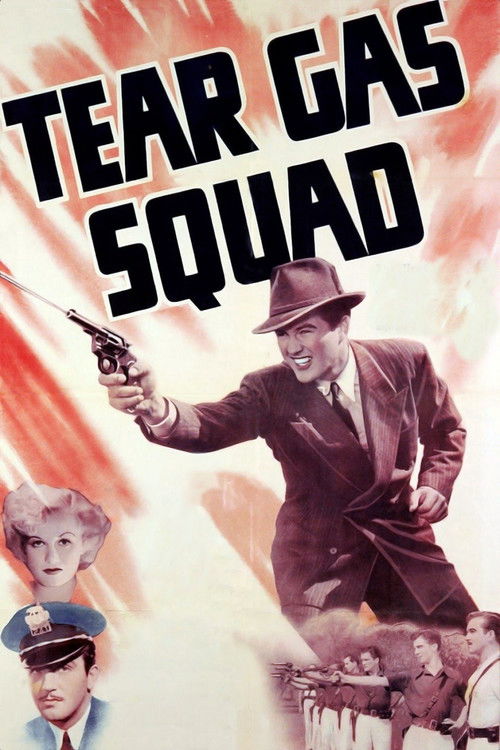
Tear Gas Squad adheres closely to the genre conventions of 1940s crime dramas. The narrative is centered around conventional social hierarchies and traditional masculinity, offering limited subversion or diverse perspectives. The film's focus on a man joining the police force to win a woman's favor reinforces standard gendered and heterosexual clichés. This structure positions female characters as motivators for male development rather than independent actors. Overall, the film lacks intentionality regarding diverse storytelling. It serves as a standard genre piece reflecting the homogeneous social landscape of early Hollywood.
Category Breakdown
The film does not include any characters with LGBTQ+ identities or non-straight relationships. The main character's goal revolves around winning a woman's affection, which follows traditional romantic motivations.
Gender roles in the film follow traditional hierarchies where women play passive roles that motivate male actions. The story focuses on a man's career advancement driven by his romantic interests, rather than showcasing female independence.
The production likely reflects the homogeneous casting practices typical of 1940s Hollywood. There is no indication of significant racial diversity or varied casting within the crime drama setting.
The story upholds mid-century Western values concerning masculinity and social order. By emphasizing law enforcement, the film aligns with traditional respect for institutional stability.
There is no evidence of characters with visible or invisible disabilities. The provided records do not indicate any representation of disability within the film.
Present on Screen
Limited or Absent
Official Synopsis
A brash night club singer becomes a cop to impress a woman.
1945
1946

1945
1932
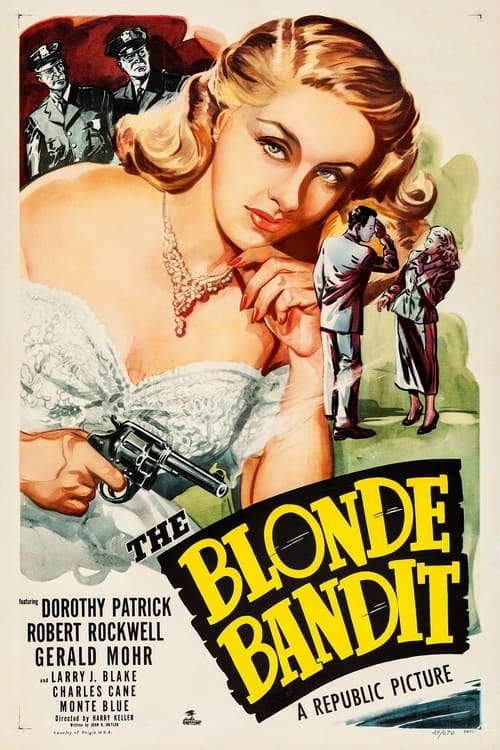
1949
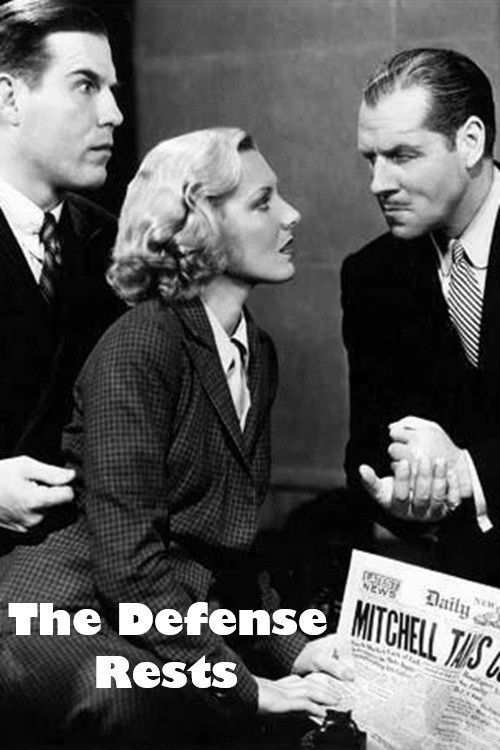
1934

1949
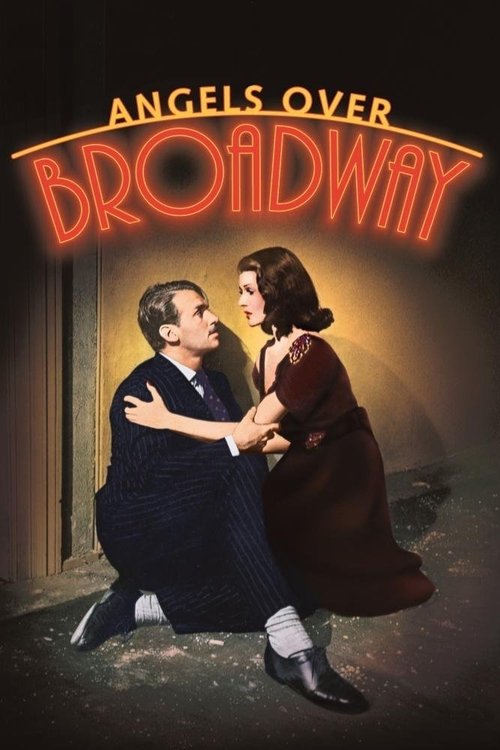
1940
No reviews yet. Be the first to share your thoughts on this movie!
Use the rating form above to leave a star rating and optional review.