
Heat Lightning
1934
No user ratings available yet
Diversity score: 2.7 out of 10

1942
Director
Edgar G. Ulmer
Runtime
64 minutes
Average Rating
No ratings yetSynopsis
Julie Bronson, whose father operates a desert cafe, is attracting the unwanted attention of a half-crazed gangster known as The Ghost who runs a desert night club several miles away.
Overall Score
Limited
Category Breakdown
LGBTQ+ Representation
The film lacks any evidence of non-cisnormative gender identities or same-sex intimacy. It follows traditional romantic and survivalist archetypes common to 1942 crime dramas.
Gender Representation
Julie Bronson serves as a central protagonist caught in a conflict with a criminal figure. Her role suggests a degree of agency that moves beyond passive femininity.
Racial & Ethnic Diversity
Set in a desert, the film lacks specific evidence of a non-white majority cast. It likely adheres to the homogeneous white casting conventions of the 1940s.
Religious & Cultural Diversity
The narrative explores resistance against an occupying force through the lens of wartime survival. This provides a framework for questioning authority within a lawless environment.
Disability Representation
There is no documented evidence of characters with physical, sensory, or neurodivergent disabilities integrated into the story.
Strengths
Areas for Improvement
AI Analysis
Tomorrow We Live is a period-specific crime drama that reflects the representational constraints of 1940s cinema. While it avoids purely domestic female roles by placing Julie Bronson in a high-stakes environment, it lacks intersectional complexity. The film's exploration of resistance against an aggressor offers a subtle critique of authority, though this stems from the wartime setting rather than a deliberate deconstruction of systemic power. It remains a standard product of its era. Ultimately, the film lacks intentional subversion of social hierarchies or diverse casting, resulting in a score that reflects its adherence to historical norms.
1934
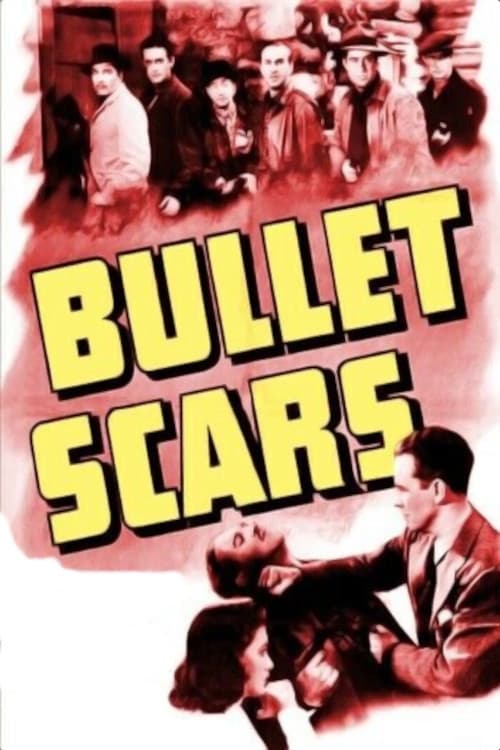
1942

1942

1947
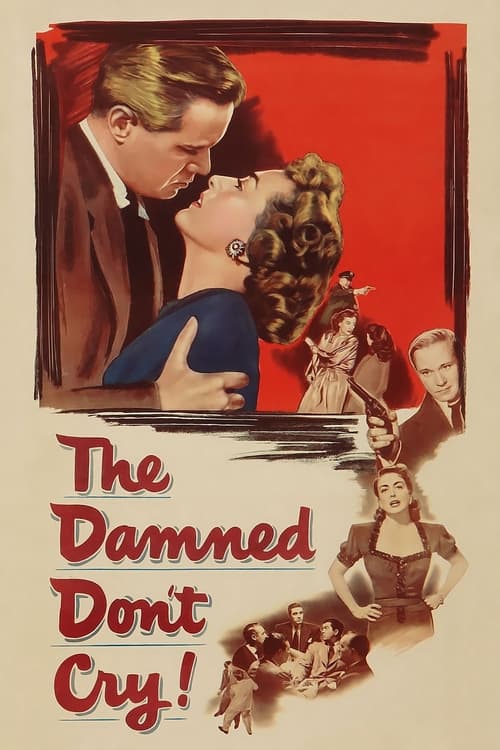
1950
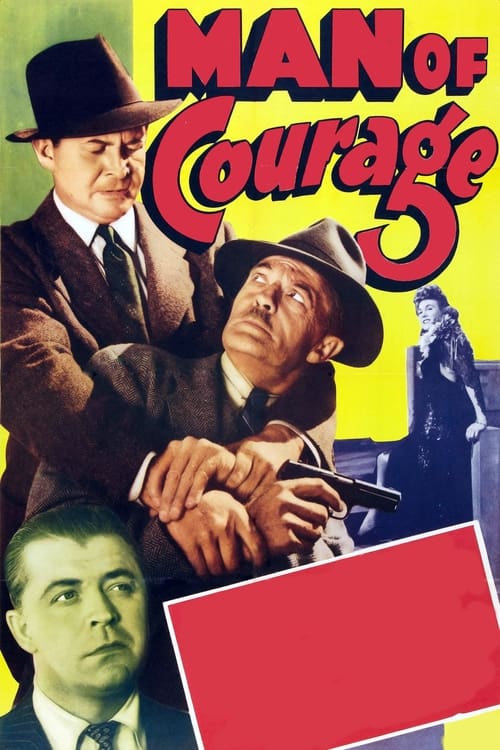
1943
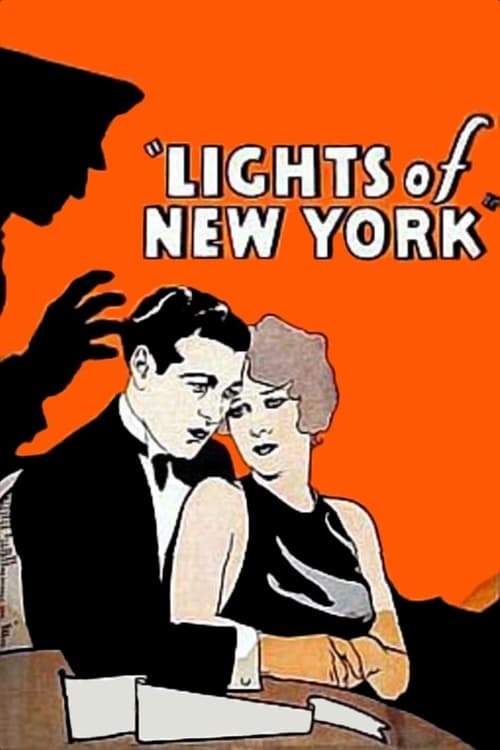
1928
1940
1943

1952

1941
1934
No reviews yet. Be the first to share your thoughts on this movie!
Use the rating form above to leave a star rating and optional review.