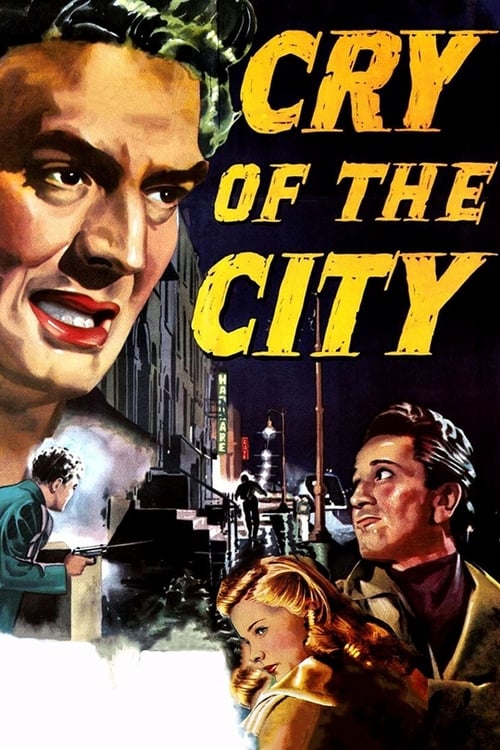
Cry of the City
1948
No user ratings available yet
Representation score: 0.9 out of 10
Representation Score
Minimal
1952
NRDirector
William Dieterle
Runtime
85 minutes
Average Rating
No ratings yetNew Showbiz Analysis
This film is a classic example of the mid-century studio system, emphasizing moral clarity and institutional stability. Its narrative structure upholds the social hierarchies of its time without challenging them. Representation is limited by the period's conventions, especially concerning racial homogeneity and traditional romantic storylines. The drama is driven almost entirely by male-centric institutions and character interactions. While the film provides a compelling look at moral ambiguity and individual integrity, it fails to offer the diversity needed to break traditional cinematic clichés of the 1950s.
Category Breakdown
The film follows traditional assumptions about straight relationships and gender roles common in the 1950s. Romantic tensions, like those between Jerry and Amanda, reinforce conventional gender dynamics.
Men play key roles in driving the legal and criminal conflicts. Women like Amanda contribute emotionally but are primarily defined by their relationships with male characters.
The cast mirrors the homogeneous demographics of early 1950s crime dramas. The story focuses on a typical Anglo-Saxon society without much diversity in representation.
The story centers on the mid-century Western emphasis on law and order. It portrays the struggle for justice as a means to restore societal stability.
There is no notable focus on physical or neurological differences. None of the characters serve as plot devices related to disability.
Present on Screen
Limited or Absent
Official Synopsis
Special prosecutor John Conroy hopes to combat organized crime and appoints his cop father Matt as chief investigator. John doesn't understand Matt's reluctance, but cynical reporter Jerry McKibbon thinks he knows: he's seen Matt with mob lieutenant Harrigan. Jerry's friendship with John is tested by the question of what to do about Matt, and by his attraction to John's girl Amanda. Meanwhile, the threatened racketeers adopt increasingly violent means of defense.
1948
1972
1950
1950
1943

1953
1936
1951
No reviews yet. Be the first to share your thoughts on this movie!
Use the rating form above to leave a star rating and optional review.