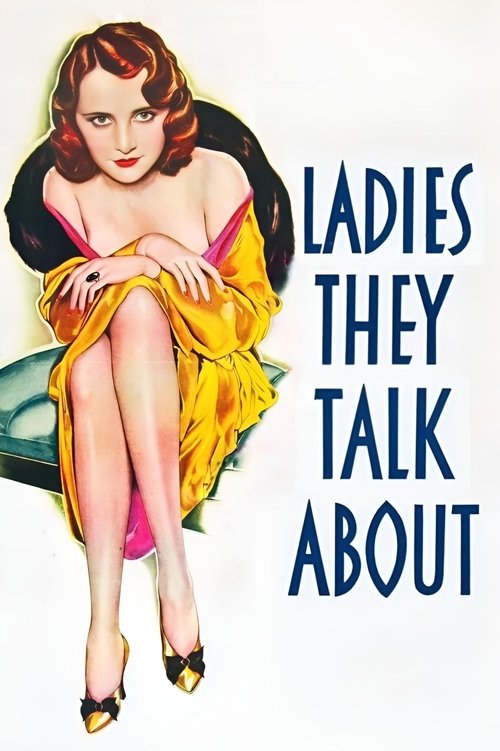
Ladies They Talk About
1933
No user ratings available yet
Diversity score: 3.2 out of 10

1942
ApprovedDirector
Robert Florey
Runtime
62 minutes
Average Rating
No ratings yetSynopsis
An actress gets involved with a criminal gang and winds up taking the rap for a $40,000 bank robbery. Before being sent to prison, she steals the money from her partners and hides it, thinking to use it as a bargaining chip to be released from prison. However, her former partners have different ideas.
Overall Score
Limited
Category Breakdown
LGBTQ+ Representation
The film adheres to the standard heteronormative social structures of 1942. There is no evidence of non-heteronormative identities or same-sex intimacy within the narrative.
Gender Representation
The story disrupts traditional hierarchies by centering a female protagonist in a male-dominated criminal world. She demonstrates high agency through strategic deception and financial manipulation rather than domesticity.
Racial & Ethnic Diversity
The film likely reflects the standard demographic distributions of early 1940s Hollywood. There is no evidence of race-bent casting or a non-Anglo-Saxon majority.
Religious & Cultural Diversity
The narrative focuses on moral relativism and situational ethics. The protagonist uses theft and deception as pragmatic tools for survival, prioritizing individual agency over social institutions.
Disability Representation
There is no documented evidence of characters portraying visible or invisible disabilities in the film's records.
Strengths
Areas for Improvement
AI Analysis
Lady Gangster stands out as a character study of female agency within a genre typically reserved for men. The protagonist subverts the 'virtuous' female archetype by navigating the underworld through calculated, self-serving maneuvers and intellect. However, the film remains tethered to the demographic constraints of its era. It lacks significant racial or LGBTQ+ representation, reflecting the homogeneous casting standards of 1942 crime dramas. Ultimately, while the film offers a progressive departure from passive female roles, it lacks the systemic critique or diverse casting necessary for a higher diversity score.
1933
1945
1942

1934
1933
1936

1946
1942
1954
1949
1950

1933
No reviews yet. Be the first to share your thoughts on this movie!
Use the rating form above to leave a star rating and optional review.