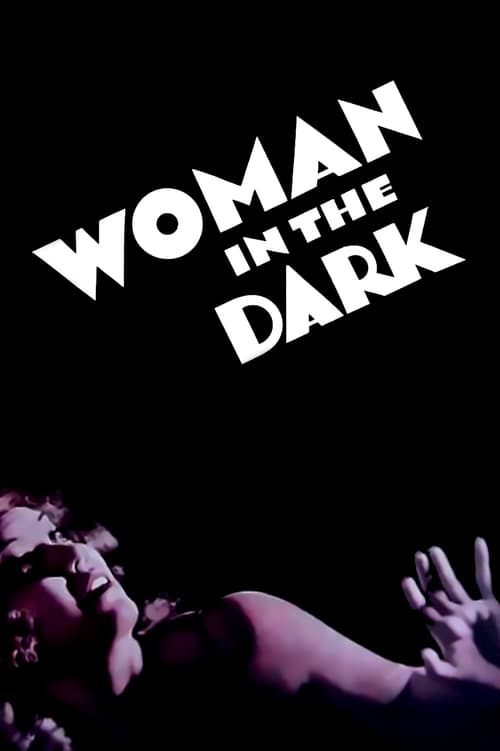
Woman in the Dark
1934
No user ratings available yet
Representation score: 1.3 out of 10

Representation Score
Minimal
1934
PassedDirector
Mervyn LeRoy
Runtime
63 minutes
Average Rating
No ratings yetNew Showbiz Analysis
Heat Lightning stands out for its focus on female autonomy in a period often dominated by male protagonists. By centering on Olga’s economic independence and internal discontent, the film challenges traditional 1930s domestic hierarchies. However, the film remains a product of its time regarding diversity. It lacks any meaningful representation of racial, LGBTQ+, or disability diversity, adhering to the demographic homogeneity of the era. Ultimately, the film is a character-driven drama that challenges gender norms while remaining within the restrictive social boundaries of its historical context.
Category Breakdown
The film follows traditional romantic and domestic themes typical of the early Code era. It does not include any LGBTQ+ characters or narratives that question the assumption that everyone is straight or cisgender.
Olga stands out as a rare example where a woman plays a significant role in driving the story. The narrative focuses on her economic independence and personal desires rather than male-driven actions.
The cast reflects the demographic homogeneity of 1930s cinema. The story focuses on a white, working-class social stratum with no evidence of non-white representation.
Themes focus on individual struggle and romantic complications. While it avoids systemic critique, the film offers a nuanced view of social deviance through its pre-Code influence.
There is no evidence of characters with visible or invisible disabilities. Neurodivergence and chronic illness are not used as narrative devices.
Present on Screen
Limited or Absent
Official Synopsis
Olga runs an isolated gas station and restaurant in the stifling hot American desert with her discontented younger sister Myra. When two escaped criminals stop for a bite to eat, Olga is reminded of the past she left behind.
1934
1941
1933
1936

1941
1944
1933

1937
No reviews yet. Be the first to share your thoughts on this movie!
Use the rating form above to leave a star rating and optional review.