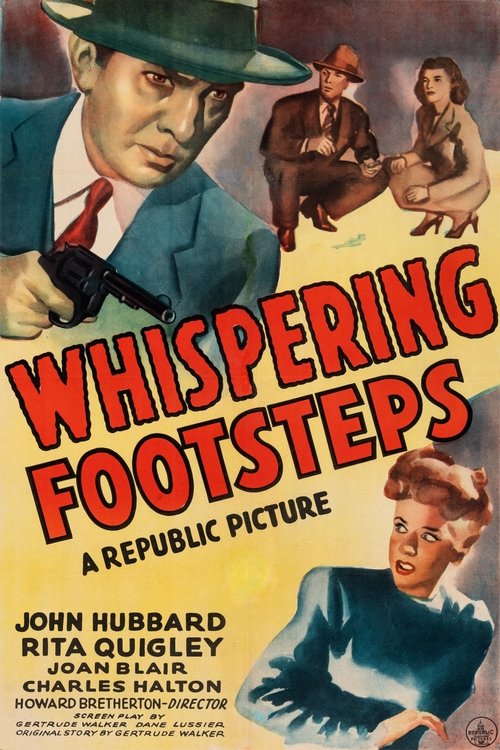
Dark Shadows
1944
No user ratings available yet
Representation score: 1.9 out of 10
Representation Score
Minimal
1943
Director
Howard Bretherton
Runtime
54 minutes
Average Rating
No ratings yetNew Showbiz Analysis
Whispering Footsteps is a traditional 1943 noir that emphasizes genre clichés over social commentary. The story revolves around a bank clerk entangled in a criminal nightmare, a structure centered on a singular male experience of victimization. The film mirrors the era's standard cinematic conventions. It lacks meaningful representation of underrepresented groups, focusing instead on a traditional, homogeneous cast and a plot driven by individual circumstances rather than systemic critiques. Ultimately, the film operates as a conventional crime thriller. It upholds the social and demographic status quo of the mid-century Hollywood studio system without attempting to challenge established norms.
Category Breakdown
The film does not include any LGBTQ+ characters or narratives. It follows the heterosexual-focused norms typical of 1943 crime dramas.
The story centers around a male protagonist's crisis. Women appear in supporting roles but do not have significant influence or challenge patriarchal norms.
The cast and setting reflect the homogeneous demographics of the 1940s studio system. There is no representation of diverse ethnicities or non-Anglo-Saxon backgrounds.
The plot focuses on an individual's struggle within legal systems. It does not critique Western institutions or systemic social issues.
The film does not address characters dealing with physical, neurodivergent, or mental health disabilities.
Present on Screen
Limited or Absent
Official Synopsis
An Ohio bank clerk's life becomes a nightmare when his descriptions is a fit of a maniac killer.
1944

1939
1936
1949
1946
1951
1939

1949
No reviews yet. Be the first to share your thoughts on this movie!
Use the rating form above to leave a star rating and optional review.