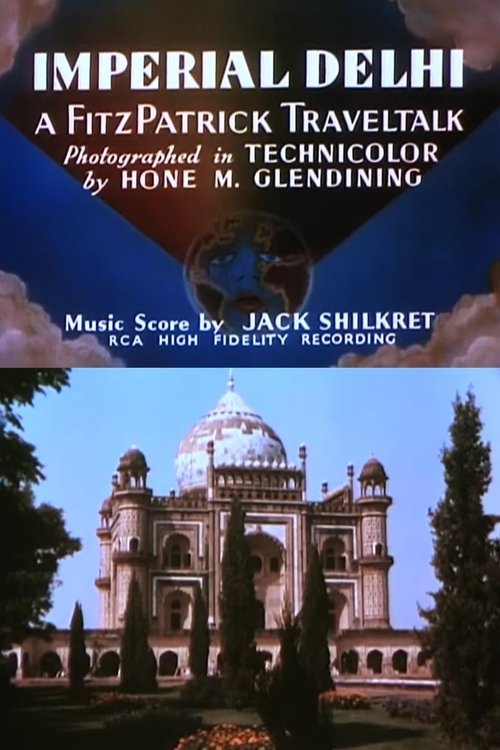
Imperial Delhi
1939
No user ratings available yet
Representation score: 2.1 out of 10
Representation Score
Minimal
1939
ApprovedRuntime
10 minutes
Average Rating
No ratings yetNew Showbiz Analysis
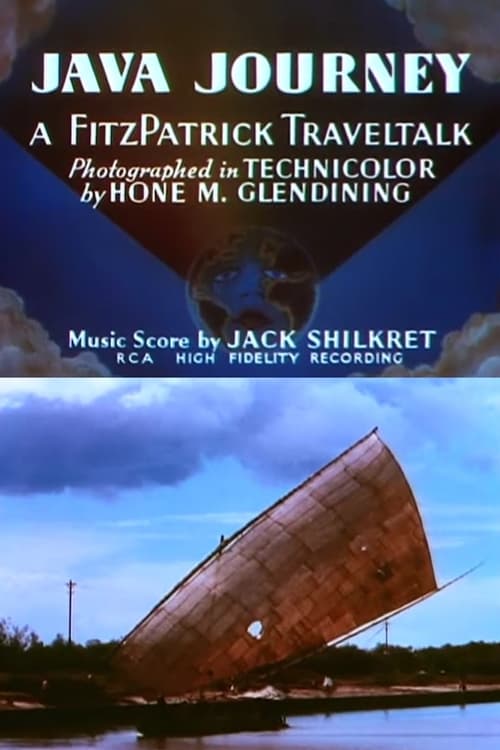
Java Journey serves as a visual record of the Dutch East Indies, focusing on the architectural and civic achievements of the colonial era. The film highlights the stability and aesthetic of the Dutch administration in Batavia. Because it was produced in 1939, the documentary reinforces the racial and cultural hierarchies of the time. It frames the local population through the lens of imperial order rather than providing independent or actively leading narratives. Ultimately, the film is a historical artifact of colonial perspective, lacking representation for underrepresented groups and focusing on the imposition of European urban planning and Western institutional superiority.
Category Breakdown
The film does not include any LGBTQ+ characters or themes. Its focus on colonial civic life suggests a traditional, straight-centered perspective typical of 1939 media.
The documentary emphasizes the structural and civic landscape of Batavia. It reinforces traditional gender roles without any indication of challenging established norms.
While the film captures the daily life of citizens, the narrative centers on the Dutch East Indies colonial empire. Non-Western subjects are presented through the lens of colonial administration.
The film celebrates Western colonial expansion and Dutch architectural influence. It portrays the colonial presence as a stabilizing force without offering any anti-colonial critique.
There is no evidence that disability or neurodivergence is addressed. The portrayal of Batavian life does not integrate physical impairments into its narrative.
Present on Screen
Limited or Absent
Official Synopsis
This Technicolor portrait of Jakarta was filmed when it was called Batavia and formed part of the Dutch East Indies colonial empire. The film portrays the daily life of citizens and the relaxed atmosphere that prevailed at the time. We see Batavia's Amsterdam Gate, built by the Dutch around 1664, along with the strong influence of Dutch architecture upon other buildings, streets and waterways.
1939

1927
1949
1938
1937
1940
1935

1995
No reviews yet. Be the first to share your thoughts on this movie!
Use the rating form above to leave a star rating and optional review.