Copenhagen
1937
No user ratings available yet
Representation score: 1.1 out of 10
Representation Score
Minimal
1940
ApprovedRuntime
9 minutes
Average Rating
No ratings yetNew Showbiz Analysis
This 1940s Traveltalk documentary serves as a promotional travelogue showcasing San Francisco's landmarks and civic pride. The film prioritizes scenic beauty and architectural achievements over personal stories, limiting opportunities for diverse representation. Reflecting the era’s social norms, the film presents an idealized, Anglo-centric view of urban life, reinforcing traditional Western institutions and social hierarchies. Ultimately, the film functions as a topographical survey, lacking the narrative complexity needed to explore diverse lived experiences.
Category Breakdown
There are no LGBTQ+ characters or explorations of non-binary gender identities in the film.
The documentary focuses on landmarks rather than individual stories. It emphasizes traditional gender roles and social hierarchies of the 1940s.
The film highlights Anglo-centric landmarks and idealized urban life. It does not address the complexities of minority communities or their contributions.
The documentary celebrates established Western institutions and civic stability. It does not critique religion, capitalism, or traditional family structures.
The film focuses on the city's landmarks and spectacle. It does not show individuals with disabilities as active participants.
Present on Screen
Limited or Absent
Official Synopsis
This Traveltalk series short celebrates San Francisco, past and present.
1937

1927
1938
1942
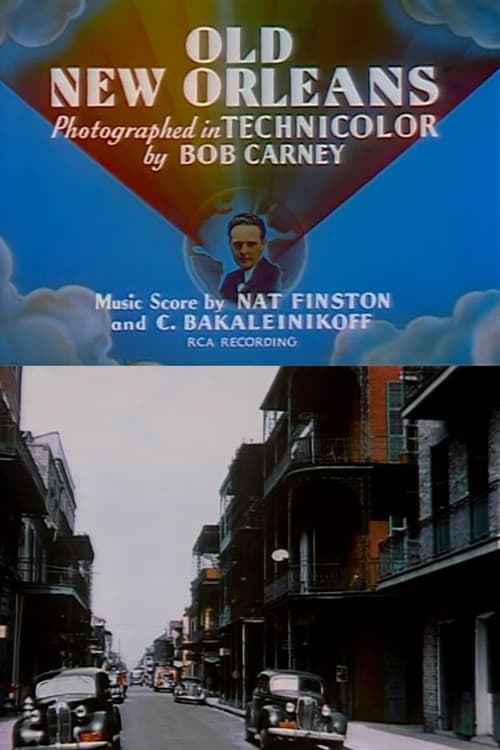
1940
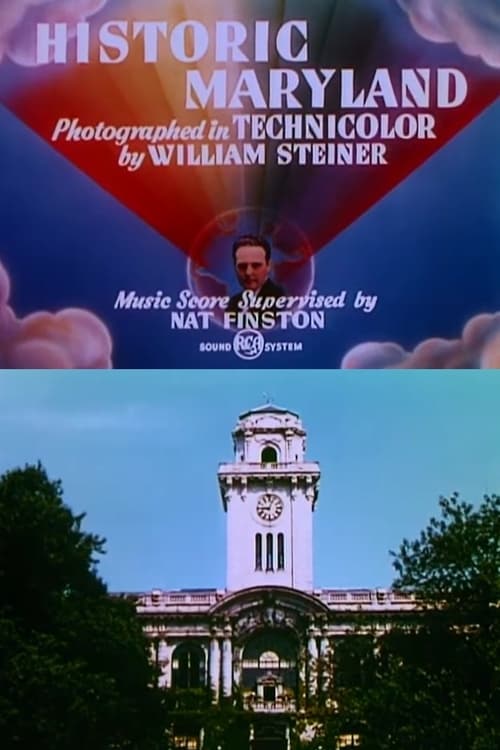
1941
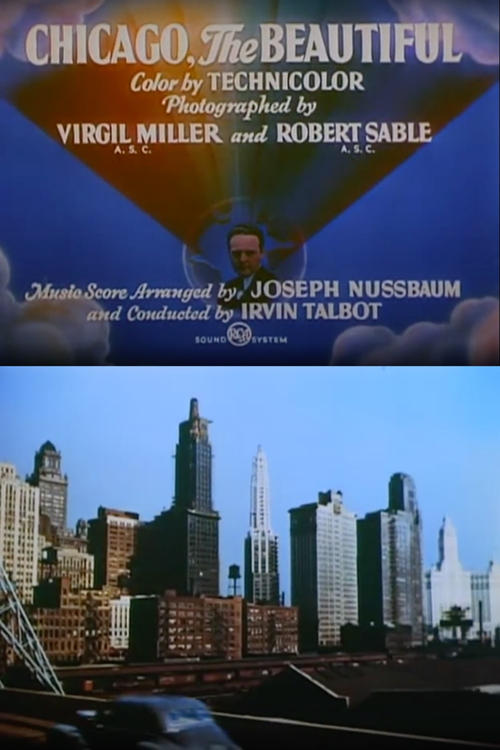
1948
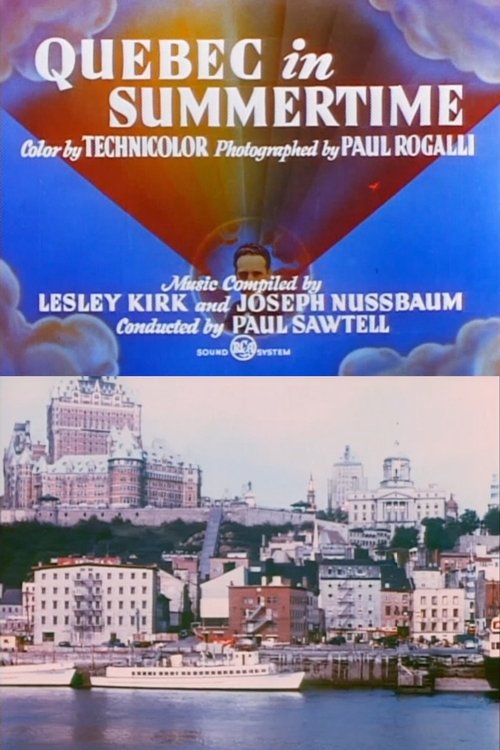
1949
No reviews yet. Be the first to share your thoughts on this movie!
Use the rating form above to leave a star rating and optional review.