
Visiting St. Louis
1944
No user ratings available yet
Diversity score: 1.4 out of 10

1981
UDirector
Harold Baim
Runtime
25 minutes
Average Rating
No ratings yetSynopsis
Telly Savalas narrates a travelogue of Birmingham in England, taking in such sights as New Street Station, the traffic control centre and dual carriageway.
Overall Score
Limited
Category Breakdown
LGBTQ+ Representation
The documentary focuses entirely on urban infrastructure and transit systems. There are no LGBTQ+ characters or narratives addressing non-cisnormative identities.
Gender Representation
The film follows a traditional 1980s format centered on a male narrator. It lacks the portrayal of non-traditional gender roles or the subversion of hierarchies.
Racial & Ethnic Diversity
While Birmingham was multicultural in 1981, the film prioritizes the built environment over people. It does not center characters of color or promote intersectional representation.
Religious & Cultural Diversity
The work presents a standard observational view of a Western municipality. It focuses on civic pride and urban functionality rather than diverse cultural or secularist themes.
Disability Representation
This industrial travelogue contains no indication of neurodivergent individuals or people with physical disabilities within its scope.
Strengths
Areas for Improvement
AI Analysis
Telly Savalas Looks at Birmingham functions as a topographical survey of urban geography and civil engineering. The narrative architecture prioritizes sights like New Street Station and traffic control systems over character-driven social commentary. Because the film is a localized travelogue, it lacks the framework to engage with identity politics or systemic critiques. The focus remains strictly on the functionality of the city's infrastructure. Ultimately, the documentary serves as a technical record of a specific era of urban development. It does not attempt to address progressive social frameworks or intersectional representation.
1944
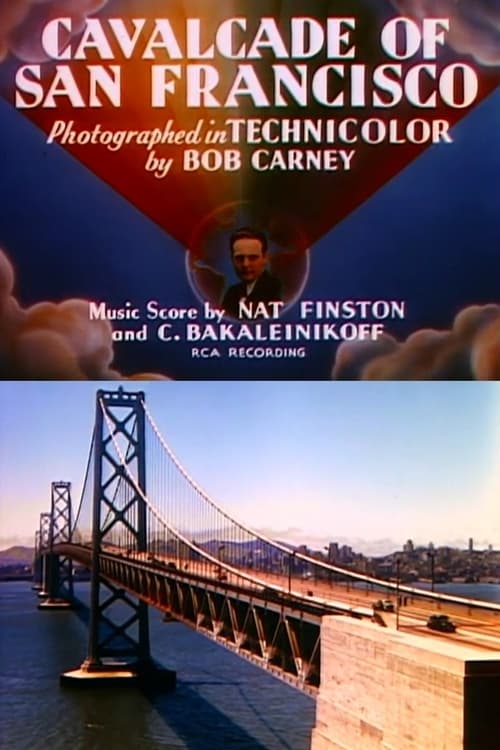
1940

1956

1951
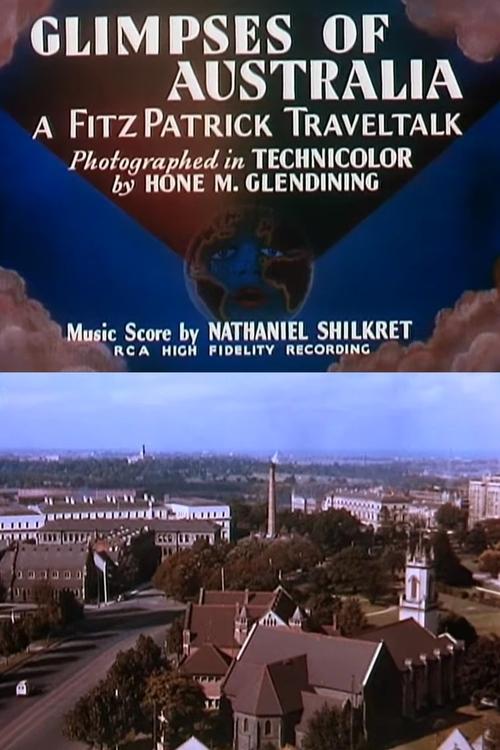
1939
1952
1956

1944
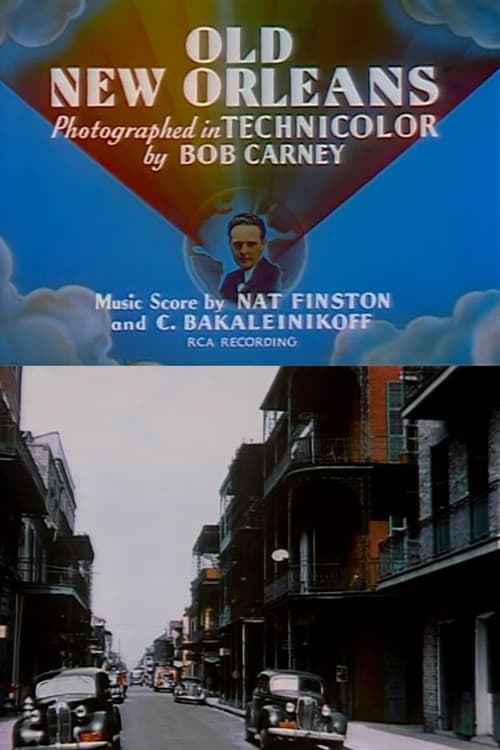
1940
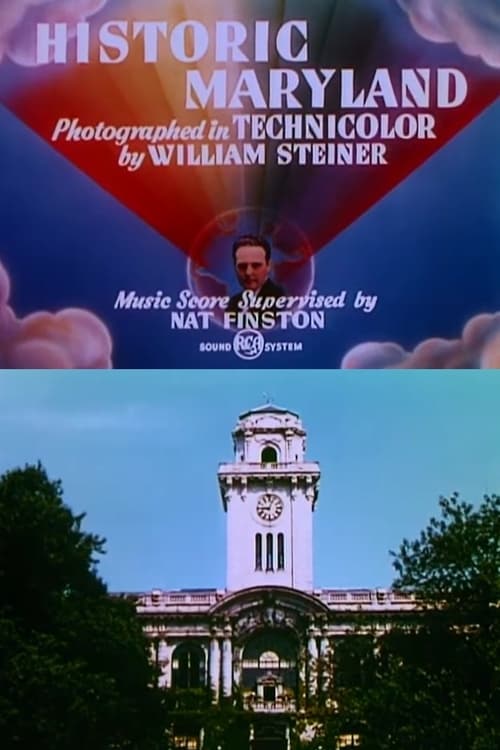
1941

1944
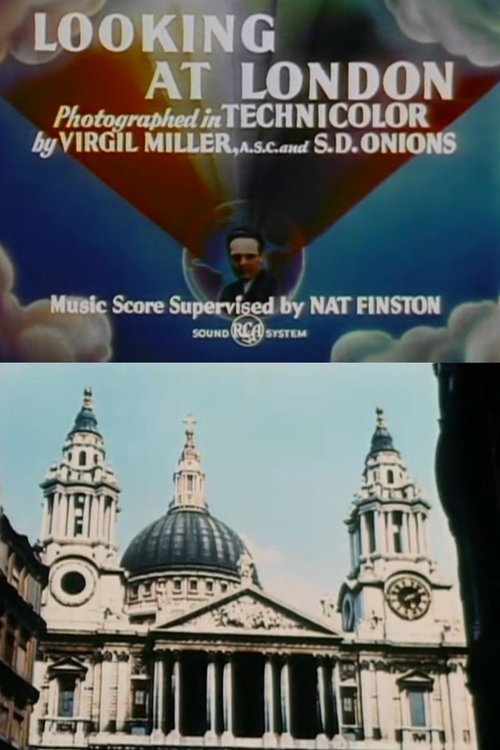
1946
No reviews yet. Be the first to share your thoughts on this movie!
Use the rating form above to leave a star rating and optional review.