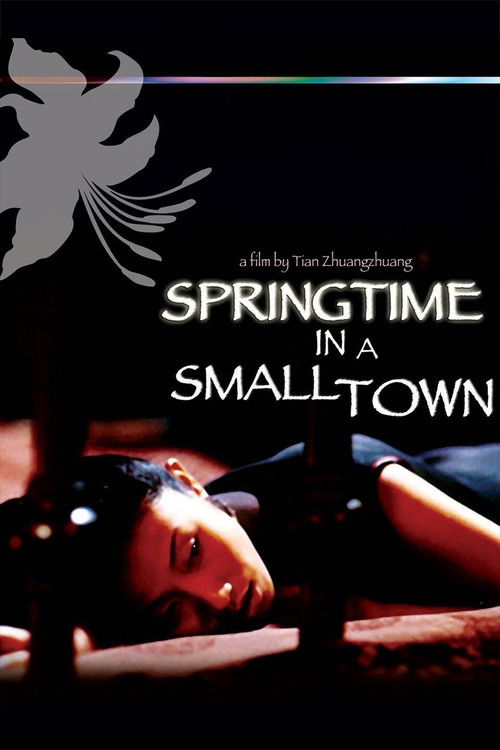
Springtime in a Small Town
2002
No user ratings available yet
Representation score: 7.0 out of 10

Representation Score
Fair
1995
Director
Tony Au Ting-Ping
Runtime
99 minutes
Average Rating
No ratings yetNew Showbiz Analysis
The Christ of Nanjing is a culturally significant drama that avoids Western-centric storytelling by focusing on the complex interactions between Japanese and Chinese identities. It uses physical ailments and moral ambiguity to explore the breakdown of traditional interpersonal structures. However, the film is limited by its focus on traditional romantic tragedy. While it offers nuanced portrayals of gendered hardships and ethnic tensions, it lacks representation of LGBTQ+ identities and non-traditional gender narratives.
Category Breakdown
The film centers on heterosexual relationships and the consequences of cheating. There are no queer narratives or non-traditional gender identities represented.
Jin-hua's journey highlights the struggles of women and the systemic barriers they face. While she avoids simplistic clichés, the power dynamics still heavily favor the male lead.
The story explores the interactions between Japanese and Chinese cultures, moving away from Western perspectives to highlight specific East Asian social tensions.
The narrative questions traditional morality by examining the protagonist's struggle to adhere to a single ethical path. It critiques the idea of resolving systemic issues through conventional means.
Chronic migraines are woven into the protagonist's identity and daily life. They serve both as a plot device and a metaphor for his inner psychological turmoil.
Present on Screen
Limited or Absent
Official Synopsis
Ryuichi Okagawa, a Japanese writer who worked as a reporter in China has been sick ever since his return home. While in China, Okagawa had met a devoutly religious girl named Jin-hua. Okagawa was born with a predisposition to agonizing recurrent migraines, but found happiness with Jin-hua and married her. Unfortunately, he already had a wife in Japan, and this revelation crushed Jin-hua. When Okagawa returned home, leaving Jin-hua behind, she was forced to work as a prostitute, catching both a severe case of the flu and a rather less socially acceptable condition. Meanwhile, Okagawa's guilt has torn him apart enough for him to return to China in an attempt to bring Jin-hua home with him to get medical attention, but the girl is already too far gone for his help.
2002
1955
1969
1951
2002

2006
1986

2014
No reviews yet. Be the first to share your thoughts on this movie!
Use the rating form above to leave a star rating and optional review.