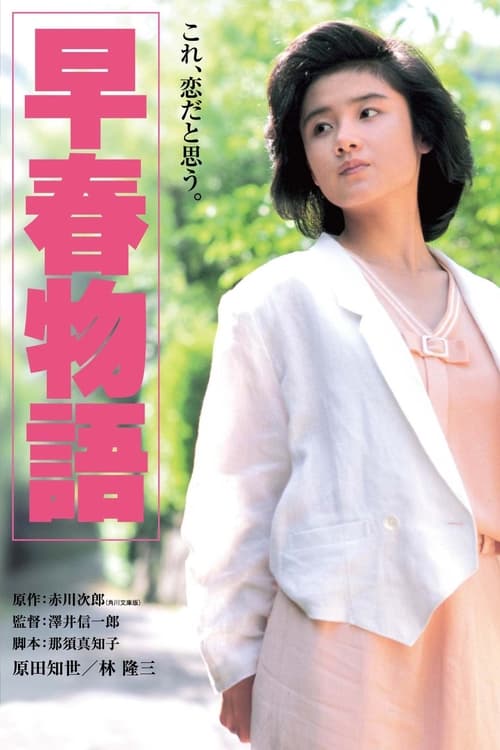
Early Spring Story
1985
No user ratings available yet
Representation score: 3.9 out of 10
Representation Score
Fair
2004
Director
Isao Yukisada
Runtime
138 minutes
Average Rating
No ratings yetNew Showbiz Analysis
The film is a quintessential romantic melodrama that prioritizes emotional resonance over social disruption. It focuses on the visceral experience of human connection and individual tragedy rather than challenging systemic hierarchies. While the film achieves cultural authenticity through its homogeneous Japanese setting, it lacks multi-layered depth. The narrative architecture is built on established genre conventions that reinforce traditional romantic and gendered ideals. Ultimately, the work serves as a sentimental exploration of memory and loss. It succeeds as a character-driven drama but does not aim to represent diverse identity politics or subvert social norms.
Category Breakdown
The film follows a traditional romantic framework focused on the relationship between a male and female protagonist.
The narrative relies on conventional romantic clichés. The female lead drives the protagonist's emotional journey, but traditional gender roles are not challenged.
The setting is culturally homogeneous, reflecting a specific Japanese demographic. It prioritizes cultural authenticity without diverse ethnic perspectives.
The story explores individual grief and personal memory within traditional emotional values. It does not offer systemic or secular critiques.
A character's battle with leukemia drives the plot. The character maintains ability to act in shaping the story's emotional landscape.
Present on Screen
Limited or Absent
Official Synopsis
While searching for his fiancee Ritsuko, Sakutarou rediscovers through flashbacks the void deep within him caused by the events from his high school days.
1985
2009
2014

1998
2006
2009
2020

2006
No reviews yet. Be the first to share your thoughts on this movie!
Use the rating form above to leave a star rating and optional review.