The Power of Kangwon Province
1998
No user ratings available yet
Representation score: 3.8 out of 10
Representation Score
Good
2009
Not RatedDirector
Park Chan-ok
Runtime
112 minutes
Average Rating
No ratings yetNew Showbiz Analysis
Park Chan-ok’s drama excels as a sophisticated psychological study, especially in its nuanced handling of gender. By centering the narrative on female autonomy and emotional labor, the film moves beyond traditional patriarchal storytelling to explore complex interpersonal dynamics. However, the film remains demographically narrow, lacking LGBTQ+ narratives and visible disability representation. While culturally specific and homogeneous, the film’s strength lies in its refusal of easy moral resolutions, opting for a realistic exploration of subjective truth within a South Korean context.
Category Breakdown
The film does not feature prominent LGBTQ+ characters or narratives. Relationships stay within traditional structures and expectations.
The story emphasizes the female perspective and internal lives. By focusing on women as primary drivers of psychological tension, the film challenges patriarchal storytelling.
The cast reflects a specific South Korean social fabric, providing a localized and authentic setting.
The narrative explores moral ambiguity and the complexity of truth. It challenges singular righteousness by highlighting psychological tension within disrupted family units.
There is no significant representation of physical or neurodivergent disabilities. The film focuses on psychological realism without making disability a central theme.
Present on Screen
Limited or Absent
Official Synopsis
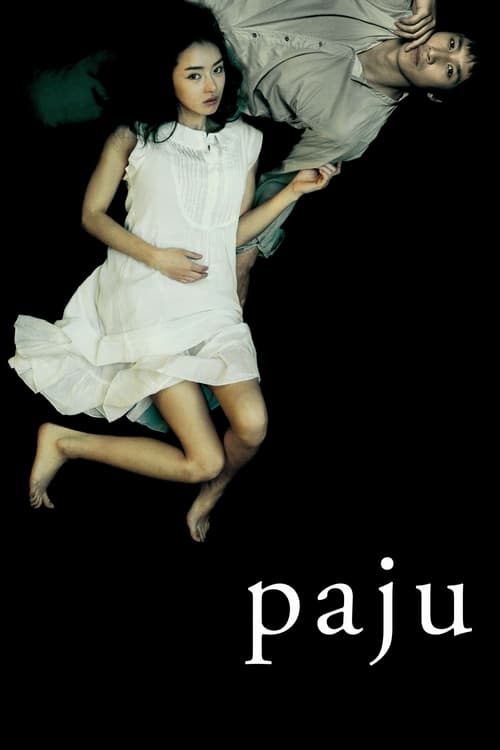
A young woman living in the South Korean town of Paju recalls the last 8 years of her life, since a young man on the lam escaped to it from Seoul and married her older sister.
1998

2002
2011
2001

2004
1999
2008

2011
No reviews yet. Be the first to share your thoughts on this movie!
Use the rating form above to leave a star rating and optional review.