
Vive L'Amour
1994
No user ratings available yet
Representation score: 8.9 out of 10
Representation Score
Good
2014
Not RatedDirector
Tsai Ming-liang
Runtime
138 minutes
Average Rating
No ratings yetNew Showbiz Analysis
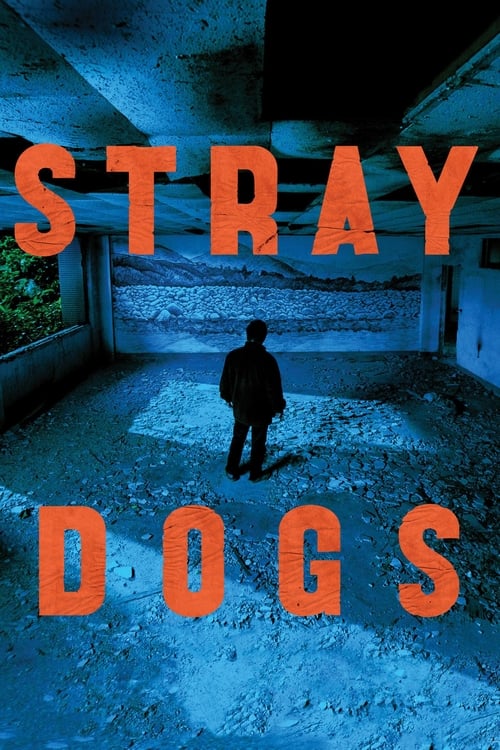
Stray Dogs is a minimalist meditation on urban alienation in Taipei. It eschews conventional character arcs to examine how hyper-capitalism erodes human connection and social stability. The film's strength lies in its cultural critique, successfully deconstructing the myth of modern progress and the stability of the family unit. It presents a nuanced, non-Western perspective. However, the film lacks explicit identity-based representation. It misses opportunities to explore specific LGBTQ+ narratives or provide significant women's ability to drive the story, focusing instead on a narrow, melancholic existentialism.
Category Breakdown
The film does not include explicit LGBTQ+ identities or non-cisgender narratives. It focuses on universal feelings of loneliness rather than specific queer experiences.
Gender dynamics are overshadowed by themes of isolation. The male protagonist challenges traditional provider roles through passivity, while women's ability to drive the story remains largely absent.
The film provides an authentic portrayal of the Taipei precariat. It centers a non-Western urban reality, avoiding a homogeneous Western perspective.
The narrative offers a sophisticated critique of capitalist urbanism. It deconstructs modern institutional structures and the erosion of traditional social cohesion.
No diagnosed disabilities are explicitly featured. Instead, the film explores invisible struggles like addiction, depression, and profound social withdrawal.
Present on Screen
Limited or Absent
Official Synopsis
An alcoholic man and his two young children barely survive in Taipei. They cross paths with a lonely grocery clerk who might help them make a better life.
1994
1970
2012
1994

2004

2014
2006

2019
No reviews yet. Be the first to share your thoughts on this movie!
Use the rating form above to leave a star rating and optional review.