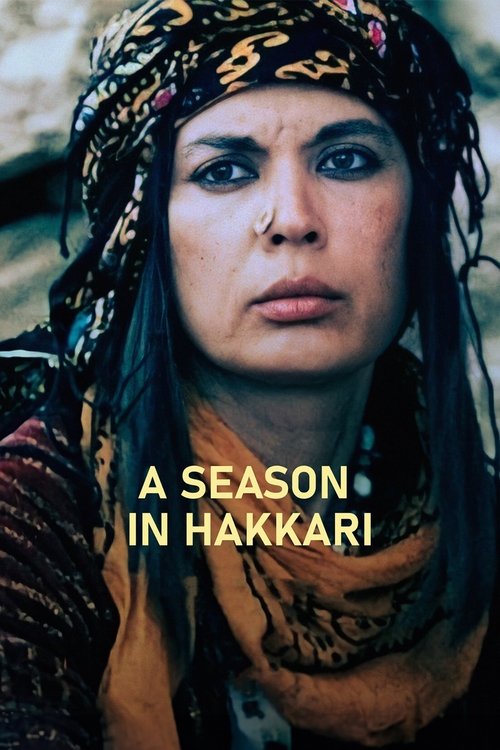
A Season in Hakkari
1983
No user ratings available yet
Representation score: 3.0 out of 10

Representation Score
Limited
1999
NRDirector
Abbas Kiarostami
Runtime
118 minutes
Average Rating
No ratings yetNew Showbiz Analysis
The film stands out in its cultural critique, using a meta-fictional approach to challenge how external observers interact with local communities. By focusing on a Kurdish-Iranian village, it effectively disrupts Western-centric narrative norms. However, the film adheres to traditional social hierarchies. Gender representation is limited, as the narrative observes rather than challenges the existing divide between male public roles and female domestic roles. Overall, the work offers a sophisticated examination of power dynamics. It prioritizes a deep, nuanced exploration of cultural authenticity and the ethics of the observer over broad inclusivity.
Category Breakdown
The film does not include any LGBTQ+ characters or narratives. It focuses on traditional rural Kurdish settings without exploring non-straight identities.
Gender roles in the film reflect traditional rural Kurdish society. Men are shown in professional and public roles, while women are primarily depicted within domestic and communal contexts.
The film centers on a non-Western, rural Kurdish-Iranian community. This focus challenges global cinematic norms by highlighting a culture often sidelined in mainstream media.
Kiarostami critiques the 'outsider gaze' by emphasizing the villagers' lived experiences over the film crew's goals. The religious figure is portrayed through an observational, non-judgmental lens.
There are no significant or identifiable depictions of visible or invisible disabilities in the film.
Present on Screen
Limited or Absent
Official Synopsis
Irreverent city engineer Behzad comes to a rural Kurdish village in Iran to keep vigil for a dying relative. In the meanwhile the film follows his efforts to fit in with the local community and how he changes his own attitudes as a result.
1983

2018
1999

2002

1997
2001
2008
2012
No reviews yet. Be the first to share your thoughts on this movie!
Use the rating form above to leave a star rating and optional review.