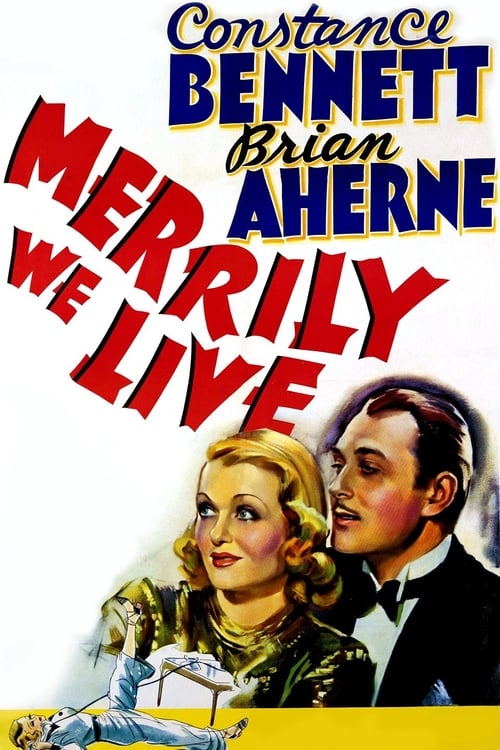
Merrily We Live
1938
No user ratings available yet
Diversity score: 3.1 out of 10

1941
NRDirector
Clarence Brown
Runtime
86 minutes
Average Rating
No ratings yetSynopsis
Seeking US citizenship, a Viennese refugee arranges a marriage of convenience with a struggling writer.
Overall Score
Minimal
Category Breakdown
LGBTQ+ Representation
The film operates within a strictly heteronormative framework. It lacks any depictions of non-cisnormative identities or same-sex intimacy.
Gender Representation
The female protagonist navigates the tension between social obligation and personal desire. However, her agency is ultimately resolved through traditional romantic tropes.
Racial & Ethnic Diversity
The production features a predominantly white, upper-class cast. There is no evidence of racial blending or characters from diverse ethnic backgrounds.
Religious & Cultural Diversity
The story reinforces traditional Western social structures and class stability. It focuses on preserving social decorum rather than deconstructing traditional institutions.
Disability Representation
There are no visible or invisible disabilities portrayed. Characters are depicted as able-bodied members of the socioeconomic elite.
Strengths
Areas for Improvement
AI Analysis
Clarence Brown’s film is a quintessential product of the Golden Age studio system, prioritizing romantic escapism and polished aesthetics. While it offers a subtle look at female agency regarding romantic choice, it remains tethered to the social hierarchies of 1941. The narrative architecture upholds established class-based decorum rather than challenging systemic power dynamics. It functions as a polished romantic drama that avoids any disruption of the era's standard social norms. Ultimately, the film lacks the intentionality required to explore intersectional identities, resulting in a culturally monolithic experience that reflects the homogeneity of its time.
1938

1947
1932
1951
1941
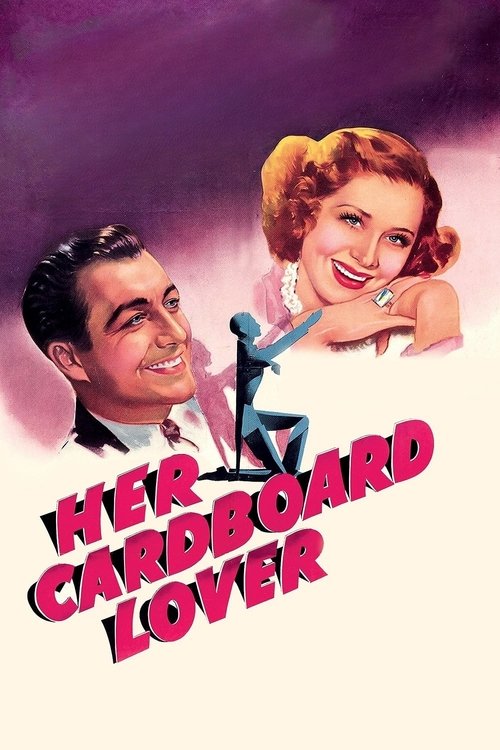
1942
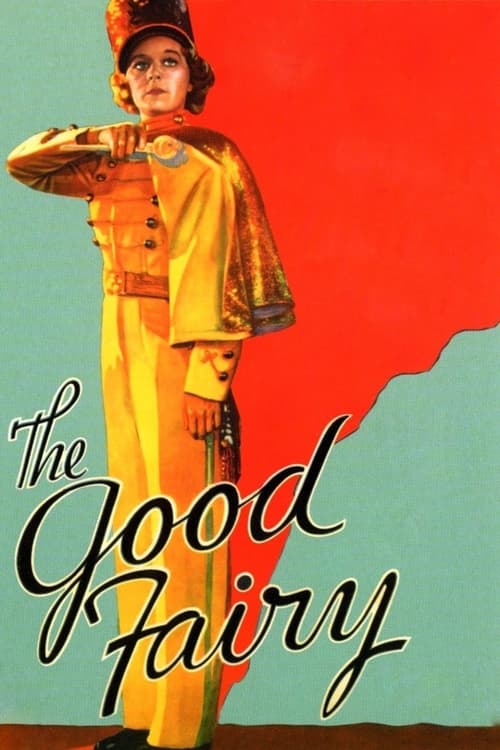
1935
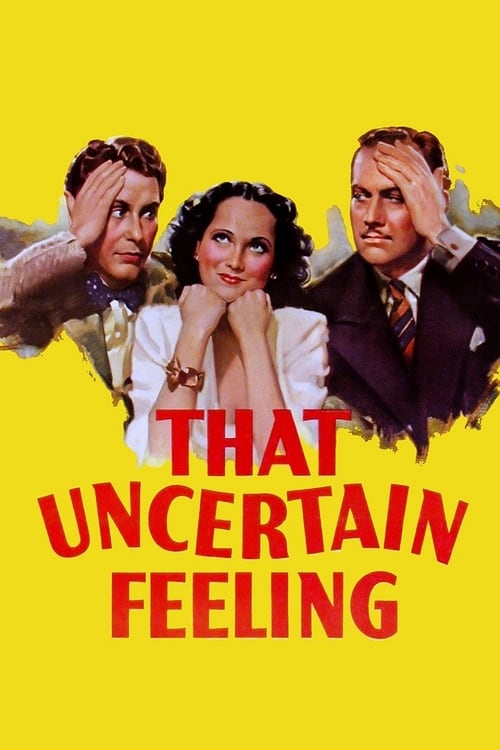
1941
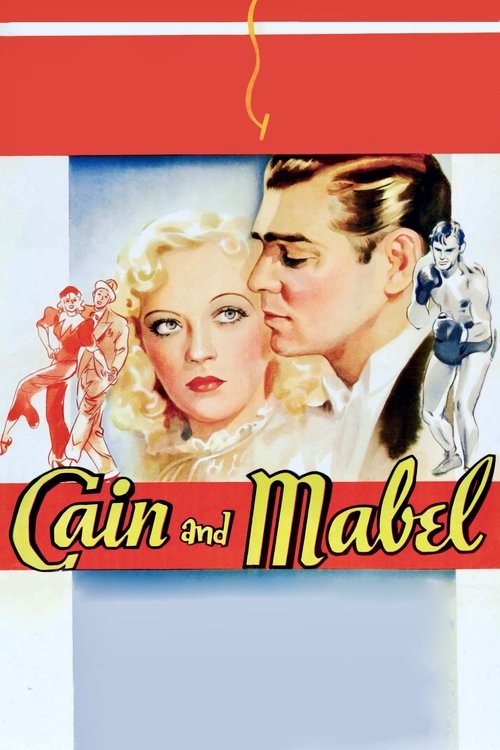
1936

1940
1943

1937
No reviews yet. Be the first to share your thoughts on this movie!
Use the rating form above to leave a star rating and optional review.