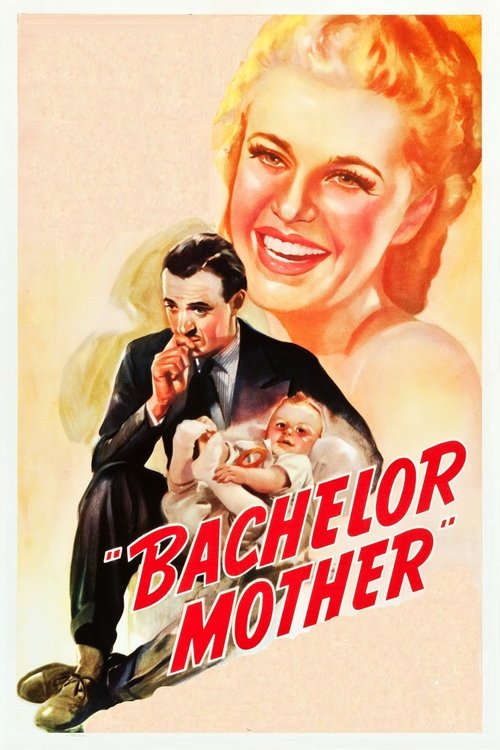
Bachelor Mother
1939
No user ratings available yet
Representation score: 2.5 out of 10

Representation Score
Minimal
1956
NRDirector
Norman Taurog
Runtime
98 minutes
Average Rating
No ratings yetNew Showbiz Analysis
Bundle of Joy is a quintessential product of the 1950s studio system, prioritizing conventional romantic clichés and traditional social hierarchies. The film reinforces mid-century norms rather than challenging them. The narrative structure relies heavily on established social structures, such as the department store and the foundling home, to drive a sentimental plot. This focus maintains a status quo that offers little cultural disruption. Ultimately, the film's reliance on standard gender roles and a homogeneous social setting results in a narrow representation of the human experience.
Category Breakdown
The film does not include any LGBTQ+ characters or narratives that challenge traditional heterosexual relationships. The plot follows a typical romance storyline between the main characters, reinforcing conventional relationship structures.
Gender roles in the film reflect 1950s conventions, focusing the female lead's journey on domestic life and motherhood. While the male lead's comedic shortcomings temper his authority, the romantic dynamic remains traditionally structured.
The setting implies a homogeneous mid-century American environment. There is no indication of a diverse cast or non-Anglo-Saxon characters within the department store or foundling home.
The narrative upholds traditional Western social institutions and the sanctity of the family unit. It leans toward a sentimental, restorative view of social order and romantic union.
There is no information regarding characters with physical, sensory, or neurodivergent disabilities.
Present on Screen
Limited or Absent
Official Synopsis
Kitschy musical remake of "Bachelor Mother". Debbie Reynolds plays an over-eager clerk in a large department store and Eddie Fisher plays the boss' son. After getting fired from her job, she finds an adorable baby on the steps of the foundling home and the folks inside mistake her for the mother. Fisher, well-meaning, but obtuse, tries to help her out with the baby, and the buds of romance begin to appear. Meanwhile old Merlin, the owner of the store, thinks he just might be a grandfather...
1939

1940
1948
1963
1949
1966
1949

1953
No reviews yet. Be the first to share your thoughts on this movie!
Use the rating form above to leave a star rating and optional review.