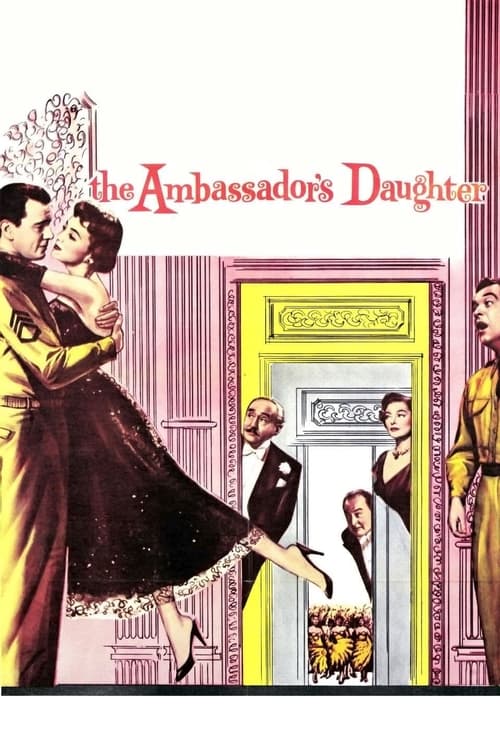
The Ambassador's Daughter
1956
No user ratings available yet
Diversity score: 2.7 out of 10
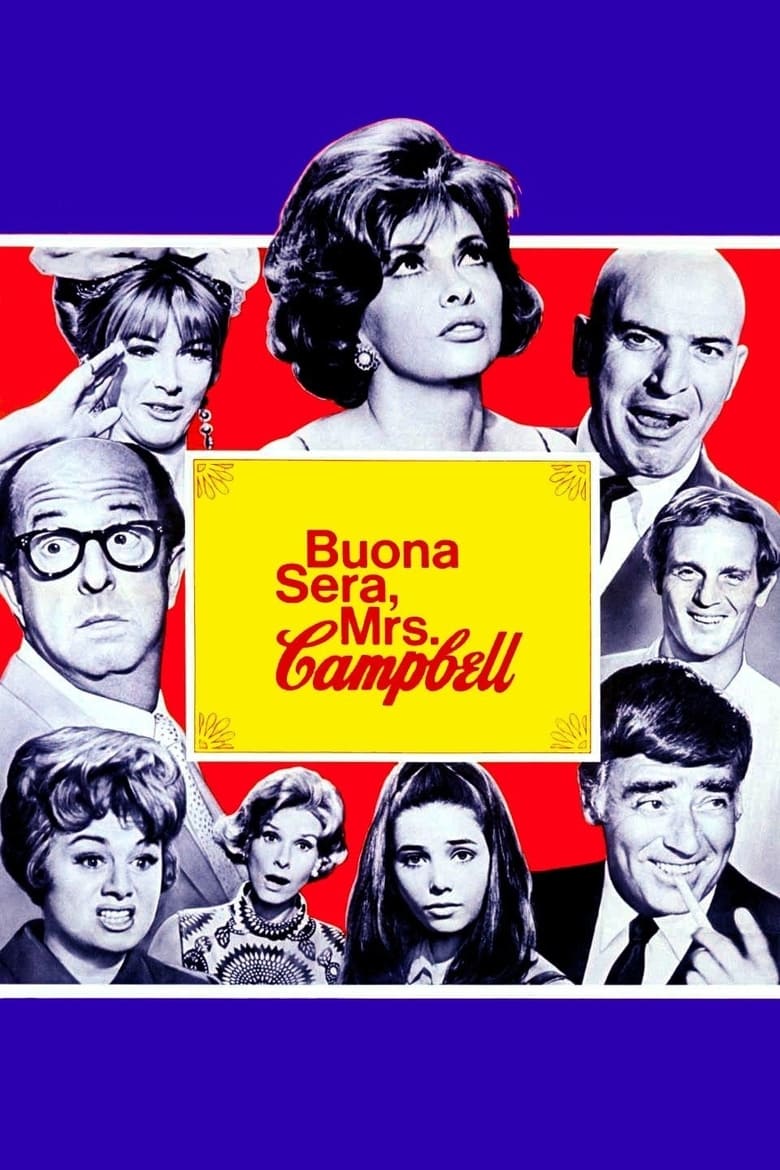
1968
PGDirector
Melvin Frank
Runtime
108 minutes
Average Rating
No ratings yetSynopsis
After the end of WWII, an Italian woman receives child support payments from three former US soldiers who all believe themselves to be the father of her daughter, Gia.
Overall Score
Limited
Category Breakdown
LGBTQ+ Representation
The film operates within a strictly heteronormative framework. It lacks any representation of non-cisnormative gender identities or same-sex romantic dynamics.
Gender Representation
Mrs. Campbell possesses moderate agency as she navigates social expectations and personal desires. However, the story remains tethered to traditional feminine roles regarding reputation and domestic standing.
Racial & Ethnic Diversity
The production features a predominantly white, European cast reflective of 1960s casting practices. It does not integrate diverse ethnic perspectives into the primary narrative arc.
Religious & Cultural Diversity
The story adheres to conventional Western social structures and emphasizes community respectability. It functions as a character-driven comedy within established moral and social norms.
Disability Representation
There are no visible or invisible disabilities portrayed within the character arcs. Characters with disabilities are not utilized as plot devices.
Strengths
Areas for Improvement
AI Analysis
Buona Sera, Mrs. Campbell is a conventional social comedy that prioritizes traditional romantic tropes over the disruption of systemic norms. While the female lead navigates her circumstances with some autonomy, the film largely reinforces the gendered and cultural expectations of the late 1960s. The narrative lacks intersectional identities, focusing instead on a localized, homogeneous social environment. This results in a production that reflects the era's standard casting and social hierarchies rather than challenging them.
1956

1950

1960

1943

1960
1959

1963
1958
1954

1958

1947
1954
No reviews yet. Be the first to share your thoughts on this movie!
Use the rating form above to leave a star rating and optional review.