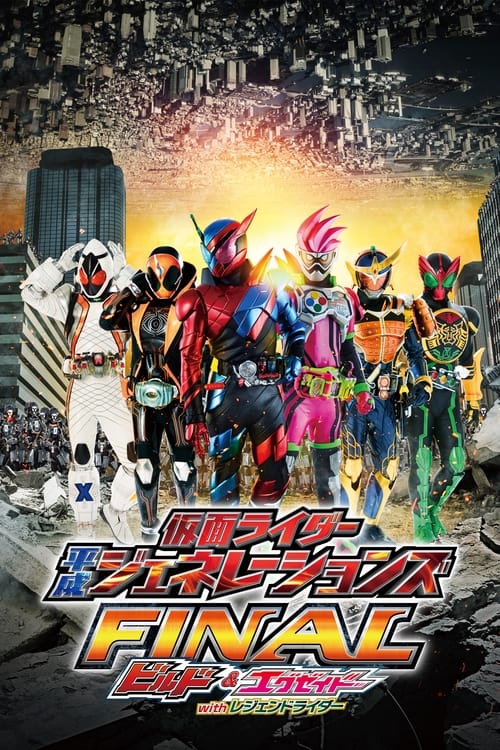
Kamen Rider Heisei Generations FINAL: Build & Ex-Aid with Legend Riders
2017
No user ratings available yet
Representation score: 3.5 out of 10
Representation Score
Limited
2009
Director
Osamu Kaneda
Runtime
66 minutes
Average Rating
No ratings yetNew Showbiz Analysis
The film functions as a high-spectacle action piece that prioritizes franchise continuity and the legacy of the Kamen Rider lineage. It relies on established hero archetypes and traditional genre conventions, which limits its engagement with diverse perspectives. Representation is largely restricted to a homogeneous Japanese cast and a male-dominated protagonist group. While the meta-narrative explores intersecting timelines, it does not use this framework to deconstruct social hierarchies or explore multi-layered identities. Ultimately, the work serves the requirements of the Tokusatsu genre, focusing on combat and moral struggles between good and evil rather than progressive character studies.
Category Breakdown
The film follows a conventional structure that assumes everyone is straight or cisgender. There are no non-assuming gender matches what was assigned at birth identities or same-sex relationships among the characters.
Male characters dominate the narrative, with female characters like Natsumi Hikari playing supporting roles rather than driving the main plot.
The cast is predominantly Japanese, and the story does not engage with racial or ethnic diversity. There are no non-human metaphors for identity either.
The story uses a postmodern structure to intersect various timelines. However, the conflict against Dai-Shocker focuses on a standard moral struggle rather than critiquing specific social or religious systems.
There is no significant focus on visible or invisible disabilities. Characters are defined by superhuman abilities rather than neurodivergence or physical disability.
Present on Screen
Limited or Absent
Official Synopsis
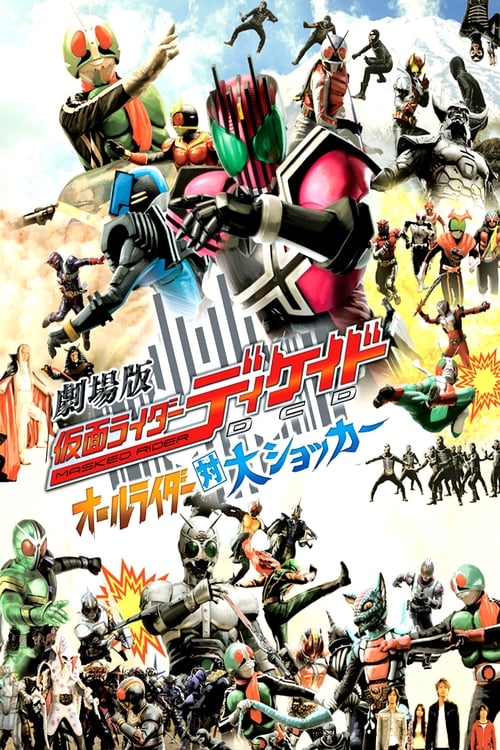
Tsukasa travels to his home world of the World of Decade, where he discovers the origin of his powers and his true heritage as the leader of Dai-Shocker. The film features all ten of the lead Heisei Kamen Riders, as well as all of the Shōwa period Kamen Riders, leading to a total of 25 Riders.
2017

2012
2011
2017
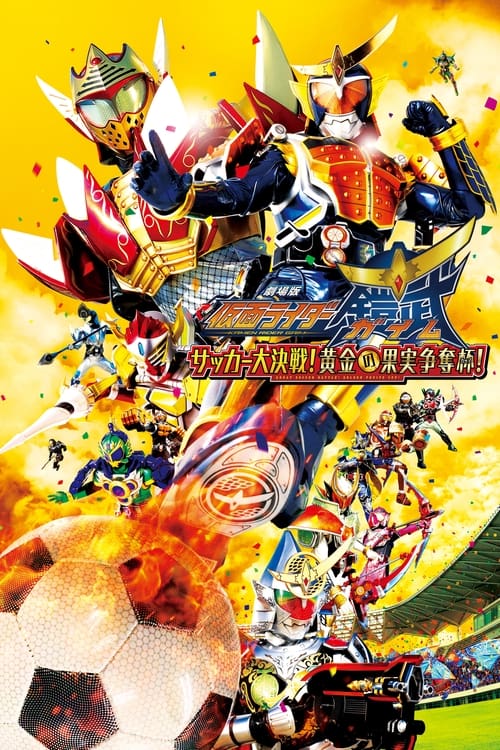
2014
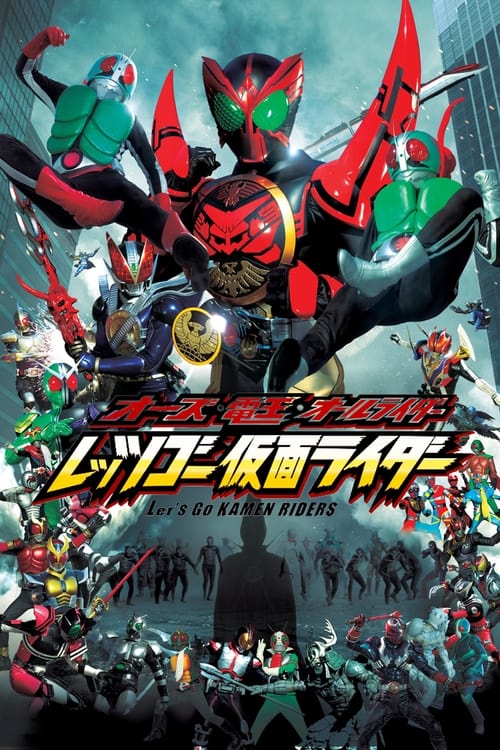
2011
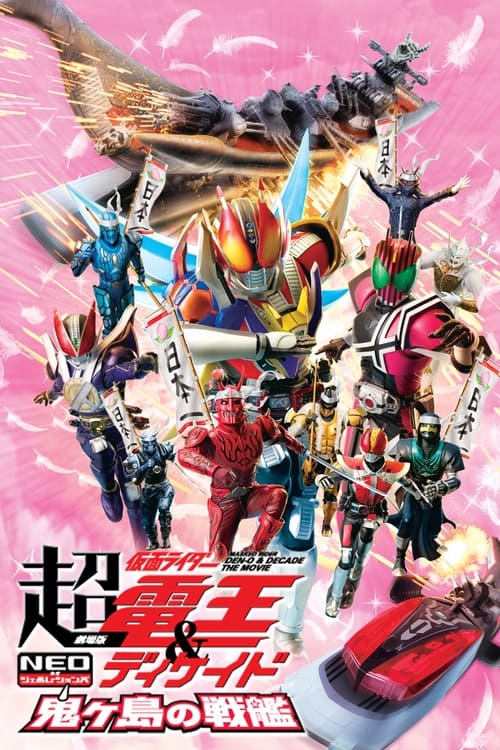
2009
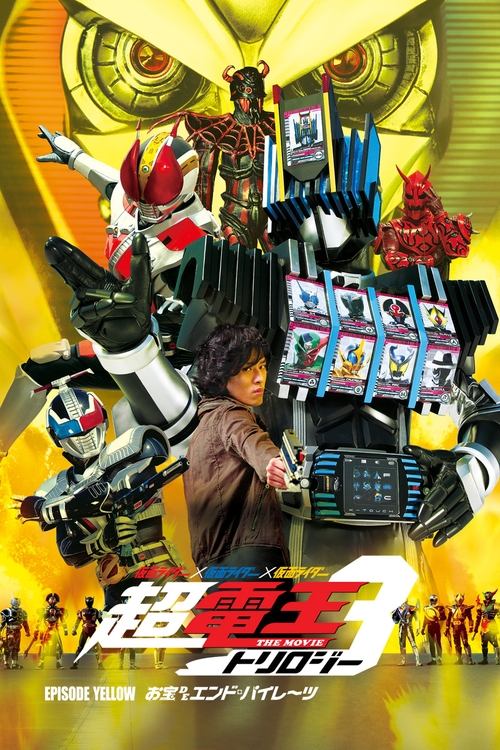
2010
No reviews yet. Be the first to share your thoughts on this movie!
Use the rating form above to leave a star rating and optional review.