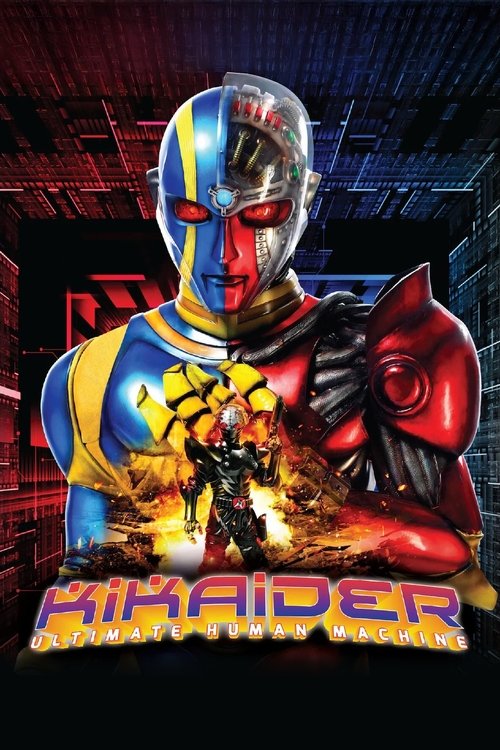
Kikaider Reboot
2014
No user ratings available yet
Representation score: 4.8 out of 10

Representation Score
Fair
1995
Director
Keita Amemiya
Runtime
77 minutes
Average Rating
No ratings yetNew Showbiz Analysis
Mechanical Violator Hakaider is a stylized, dark exploration of existential conflict. It adheres closely to the cyberpunk tradition of masculine anti-heroes and mechanical augmentation, limiting its broad appeal. Despite the lack of diversity in gender and LGBTQ+ representation, the film excels in its sophisticated cultural critique. The deconstruction of religious authority and totalitarianism adds a complex intellectual layer often missing from the genre. Ultimately, the film prioritizes a deep, anti-authoritarian narrative over traditional social representation.
Category Breakdown
The film centers on mechanical entities and cyborg combatants. There is no indication of non-traditional gender identities or same-sex relationships among the main characters.
The story follows a traditional male-focused narrative. It emphasizes a male anti-hero archetype, which minimizes the role of women and reinforces conventional power structures.
As a Japanese production, the film reflects a localized cultural setting. It maintains a homogeneous aesthetic typical of the cyberpunk genre without showcasing active ethnic diversity.
The story effectively critiques religious and state-imposed morality through the totalitarian 'Jesus Town.' It portrays destruction as a necessary rebellion against systemic oppression.
Cyborgism functions as a modern metaphor for physical modification. However, these mechanical enhancements serve more as genre clichés rather than nuanced portrayals of disability.
Present on Screen
Limited or Absent
Official Synopsis
In a desolate future ruled by a totalitarian city-state known as Jesus Town, a leather-clad motorcyclist cyborg awakens from imprisonment to wage war against a regime that preaches peace through control.
2014
1986

1996

1992
1993
1999

1979

1984
No reviews yet. Be the first to share your thoughts on this movie!
Use the rating form above to leave a star rating and optional review.