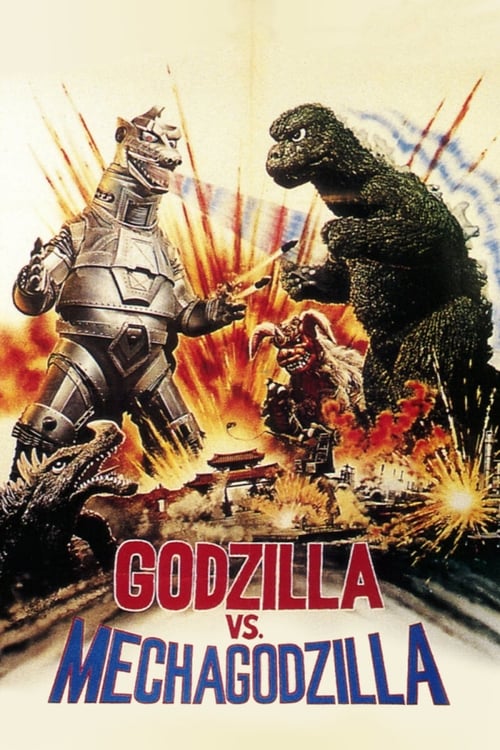
Godzilla vs. Mechagodzilla
1974
No user ratings available yet
Representation score: 1.1 out of 10

Representation Score
Limited
1972
GDirector
Jun Fukuda
Runtime
89 minutes
Average Rating
No ratings yetNew Showbiz Analysis
Godzilla vs. Gigan is a classic mid-century genre film that prioritizes spectacle and traditional narrative structures over social exploration. It operates within a conventional framework that reinforces established hierarchies rather than challenging them. The film centers on a heroic defense model, validating the stability of state institutions such as the military and scientific organizations. This focus on institutional authority leaves little room for diverse perspectives or underrepresented identities. Ultimately, the production reflects the era's standard models, providing minimal representation and upholding the traditional power dynamics of 1970s Japanese cinema.
Category Breakdown
The film does not include any depictions of non-binary genders or same-sex relationships. Character interactions remain focused on heterosexual relationships, following the conventions of 1970s Japanese commercial cinema.
Leadership and strategic decisions are dominated by male scientists and military personnel. Female characters play supporting roles that do not challenge traditional gender power structures.
The film features a predominantly Japanese cast reflecting its specific cultural context. There is no indication of racial diversity or the use of non-human species as ethnic metaphors.
The narrative emphasizes the importance of scientific and military institutions as protectors of social order. It celebrates the preservation of the status quo against external threats.
There are no visible portrayals of physical or cognitive disabilities. Characters are portrayed as physically capable for action-adventure roles.
Present on Screen
Limited or Absent
Official Synopsis
Manga artist Gengo Odaka lands a job with the World Children's Land amusement park only to become suspicious of the organization when a garbled message is discovered on tapes. As Gengo and his team investigate, Godzilla and Anguirus quickly decipher the message and begin their own plan of action.
1974
1993
1973
1991
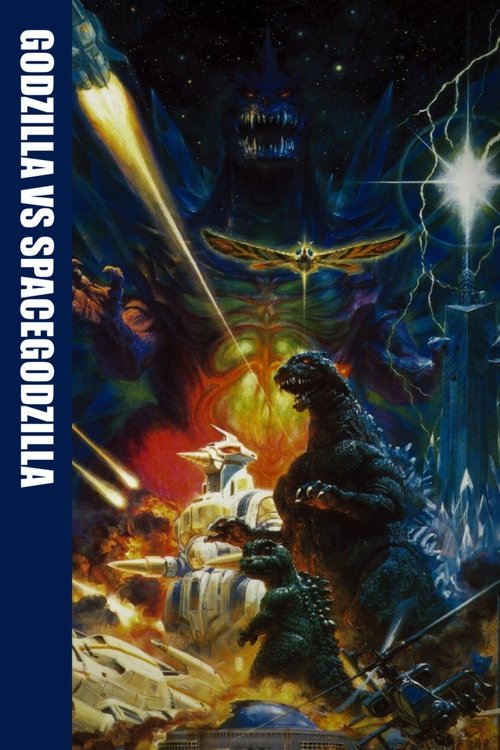
1994
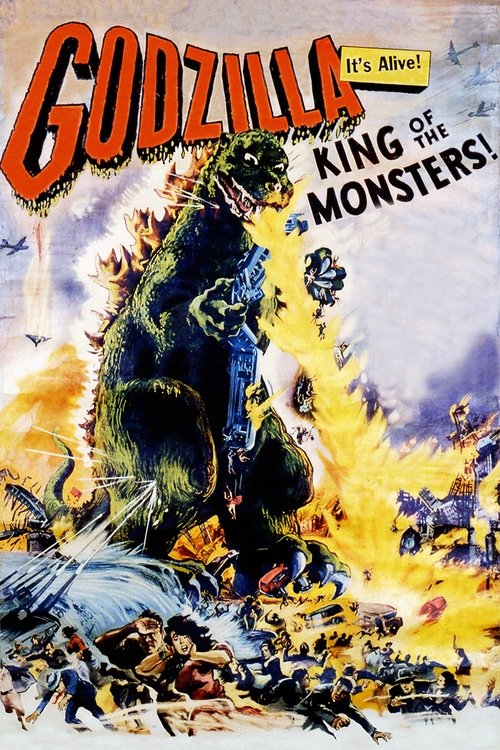
1956
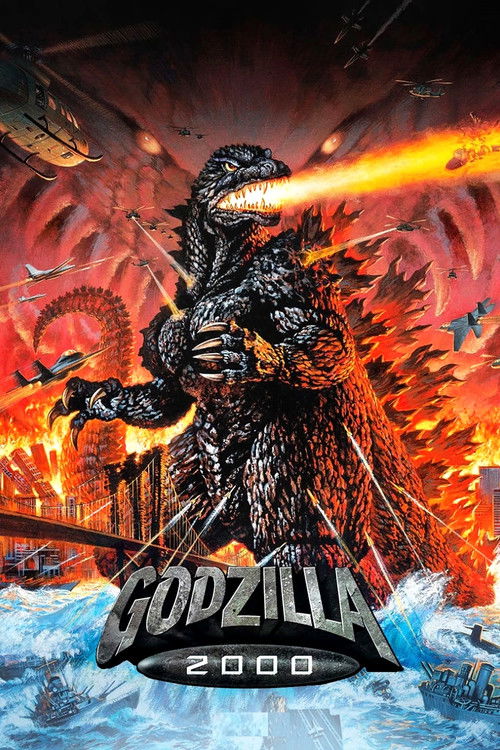
1999
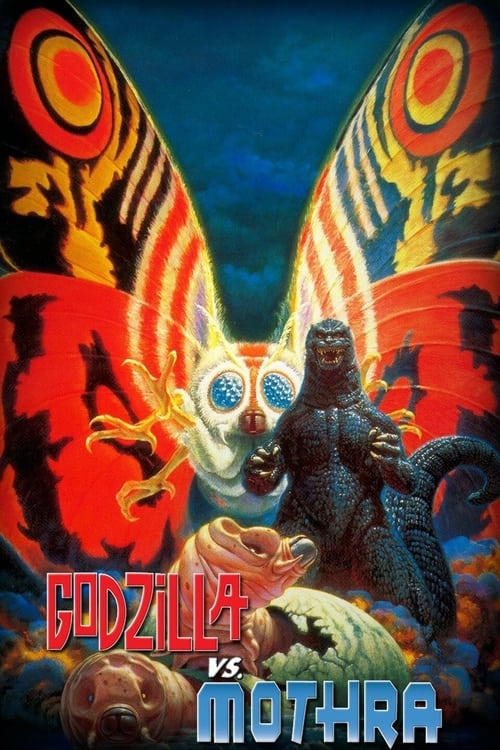
1992
No reviews yet. Be the first to share your thoughts on this movie!
Use the rating form above to leave a star rating and optional review.