Monte Carlo
1930
No user ratings available yet
Representation score: 2.0 out of 10
Representation Score
Minimal
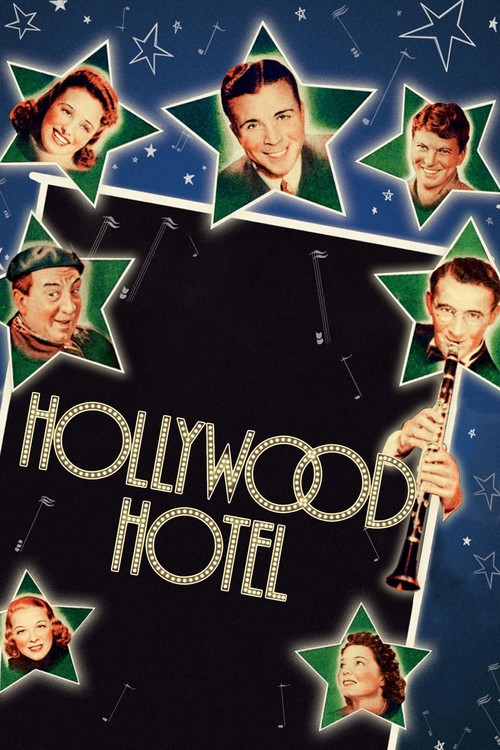
1938
NRDirector
Busby Berkeley
Runtime
109 minutes
Average Rating
No ratings yetNew Showbiz Analysis
Hollywood Hotel is a well-polished product of the 1938 studio system, designed for escapism rather than social commentary. While Busby Berkeley offers visually stunning choreography, the narrative upholds the era's cultural norms, focusing on aesthetic spectacle over diverse representation. The film lacks efforts to challenge traditional hierarchies. It reinforces the cultural norms of its time, prioritizing glamour over varied representation. Ultimately, the work upholds the allure of the Hollywood machine, presenting a uniform view of stardom and romance.
Category Breakdown
The film follows the strict rules of the Motion Picture Production Code and does not include any non-binary gender identities or same-sex relationships.
Women in the film have professional roles but their stories are mainly driven by romantic relationships. The plot depends on traditional gender roles and opportunities given by men.
The movie reflects the homogeneous casting practices of the 1930s studio system. It shows a stylized, mostly white depiction of Hollywood high society.
This film is a typical example of escapist entertainment. It celebrates celebrity culture and the professional structures of the entertainment industry without criticism.
There are no characters with visible or invisible disabilities. The story focuses on the physical fitness needed for musical stardom.
Present on Screen
Limited or Absent
Official Synopsis
After losing a coveted role in an upcoming film to another actress, screen queen Mona Marshall (Lola Lane) protests by refusing to appear at her current movie's premiere. Her agent discovers struggling actress Virginia Stanton (Rosemary Lane) -- an exact match for Mona -- and sends her to the premiere instead, with young musician Ronnie Bowers (Dick Powell). After various mishaps, including a case of mistaken identity, Ronnie and Virginia struggle to find success in Hollywood.
1930
1935

1952

1933
1949

1953
1940
1948
No reviews yet. Be the first to share your thoughts on this movie!
Use the rating form above to leave a star rating and optional review.