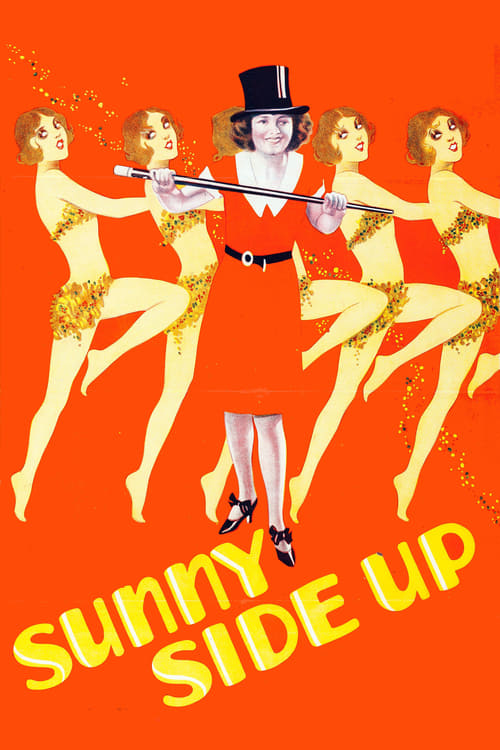
Sunny Side Up
1929
No user ratings available yet
Representation score: 1.6 out of 10

Representation Score
Limited
1930
PassedDirector
John G. Blystone
Runtime
70 minutes
Average Rating
No ratings yetNew Showbiz Analysis
The Big Party is a typical social comedy of the early 1930s, focusing on escapist musical entertainment rather than deep narratives or challenging social structures. Although the film gives female characters significant roles in driving the initial plot, they are still confined to traditional social roles. The narrative emphasizes class distinctions and the demographic norms of the time. Overall, the film celebrates the lifestyle of the wealthy and the aesthetics of the Jazz Age. It lacks the complexity needed to challenge the social hierarchies of its era.
Category Breakdown
The film does not include any explicit LGBTQ+ characters or non-straight relationships. The story follows traditional romantic and comedic elements typical of its era.
Female characters Kitty Collins and Flo Jenkins play key roles in initiating the plot. However, they are often showcased in ways that emphasize traditional gender roles and social hierarchies.
The film seems to follow the homogeneous casting practices of the 1930s. There is no indication of racial diversity or casting actors from non-Anglo-Saxon backgrounds.
The movie highlights the consumerist lifestyle and social norms of the wealthy during the Jazz Age. It upholds traditional social norms without critiquing Western institutions.
There is no information about the portrayal of physical or neurodivergent disabilities in this production.
Present on Screen
Limited or Absent
Official Synopsis
Kitty Collins and Flo Jenkins, a couple of jazz-age cuties with bobbed-hair and rolled-stockings, go in search of good-times and whoopee-making. The party they find also includes some out-of-town, butter-and-egg millionaires whose definition of whoopee is not the same as the one Kitty and Flo have. The wives of the millionaires also have a different-and-dim view on the matter.
1929

1933
1930
1929

1930
1935

1930
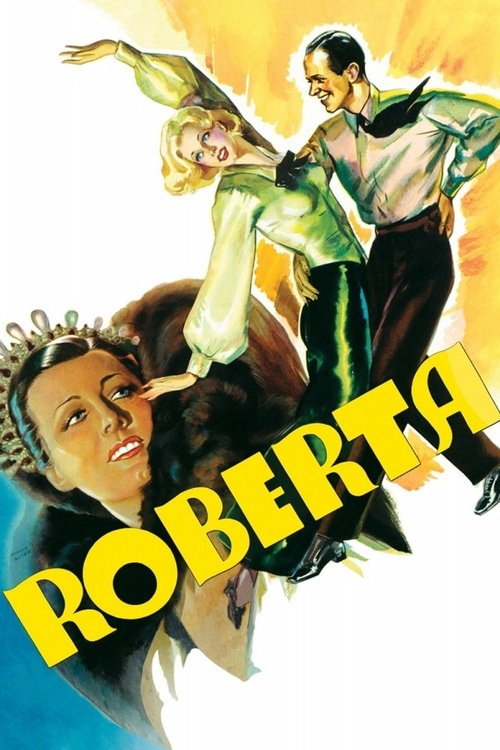
1935
No reviews yet. Be the first to share your thoughts on this movie!
Use the rating form above to leave a star rating and optional review.