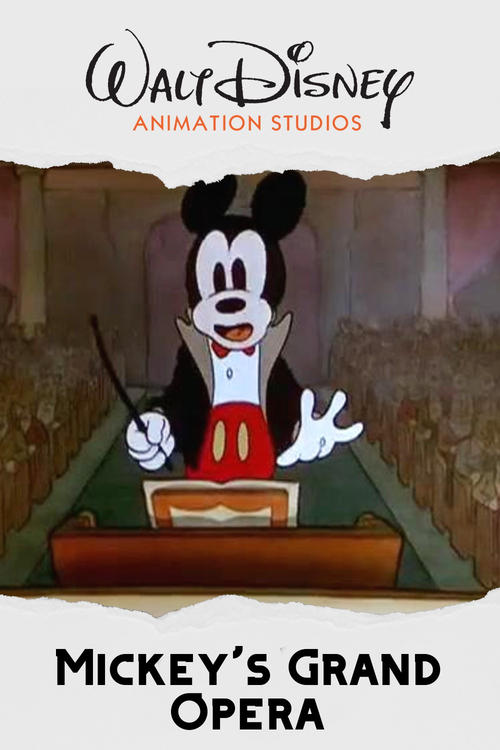
Mickey's Grand Opera
1936
No user ratings available yet
Representation score: 0.4 out of 10

Representation Score
Minimal
1929
ApprovedDirector
Wilfred Jackson
Runtime
6 minutes
Average Rating
No ratings yetNew Showbiz Analysis
Mickey's Follies is primarily a technical demonstration of early synchronized sound animation rather than a platform for social storytelling. Its vaudeville structure emphasizes musical performance and rhythmic humor over character development or identity-based narratives. The film mirrors the homogeneous and traditional social structures of 1929. It lacks complexity in addressing multiple aspects of identity, as the narrative does not provide significant roles for underrepresented groups or engage with diverse social identities. Overall, the work serves as a typical product of its time. It reinforces prevailing cultural norms through its focus on standard performance conventions and traditional gender hierarchies.
Category Breakdown
The film does not depict any LGBTQ+ identities or queer narratives. Character interactions revolve around traditional pairings like Mickey and Minnie within a standard variety show format.
Mickey Mouse is the main character and performs the majority of the actions. Female characters such as Minnie Mouse and Patricia Pig play supporting roles as singers or spectators, reflecting early 20th-century gender roles.
The characters are anthropomorphic animals in a closed barnyard setting. The film lacks a diverse range of racial or ethnic representation, mirroring the homogeneous designs of early Disney shorts.
The short follows a traditional Western vaudeville format. It upholds established norms of entertainment and social order without critiquing Western institutions or cultural norms.
There are no characters with visible or invisible disabilities. The narrative centers on high-energy, able-bodied physical comedy and musical precision, avoiding themes related to neurodivergence or physical impairment.
Present on Screen
Limited or Absent
Official Synopsis
Mickey puts on a show in his barnyard. A short dramatic scene by a chicken and rooster; an operatic ode by Patricia Pig, and then the main attraction: Mickey sings and plays his theme song, then dances to it.
1936
1932

1930

1929
1937
1929
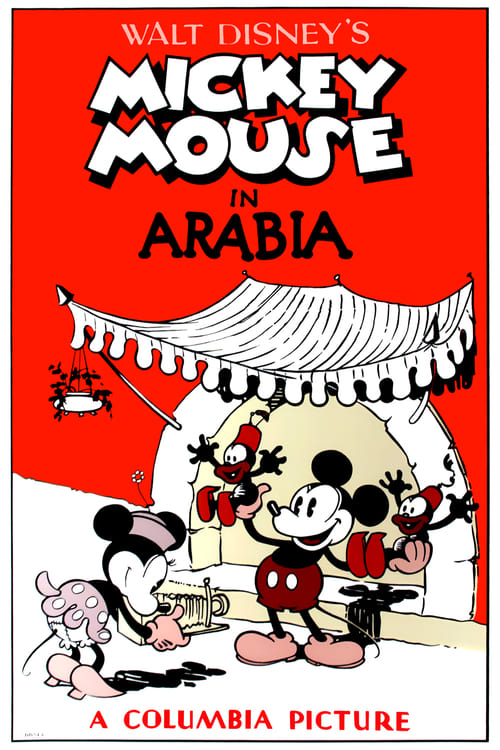
1932
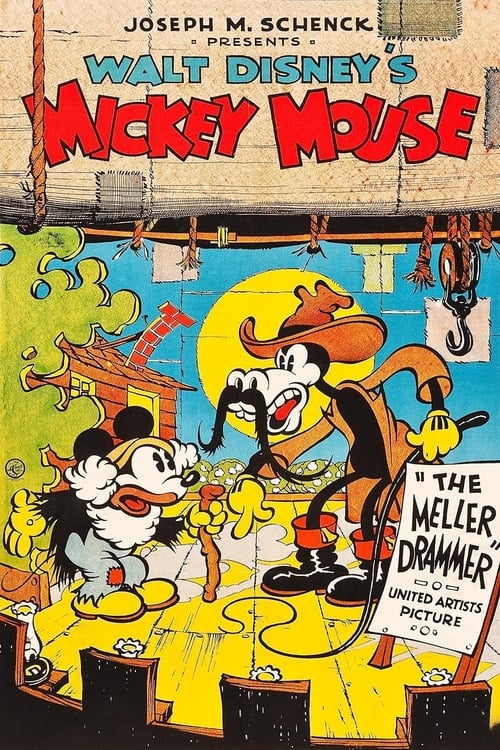
1933
No reviews yet. Be the first to share your thoughts on this movie!
Use the rating form above to leave a star rating and optional review.