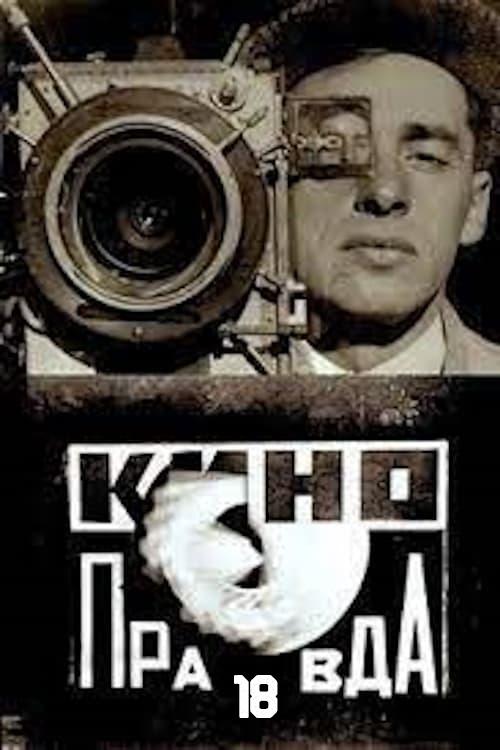
Kino-Pravda No. 18: A Movie-Camera Race Over 299 Metres and 14 Minutes and 50 Seconds in the Direction of Soviet Reality
1924
No user ratings available yet
Representation score: 4.3 out of 10
Representation Score
Fair
1927
Director
Mikhail Kaufman, Ilya Kopalin
Runtime
60 minutes
Average Rating
No ratings yetNew Showbiz Analysis
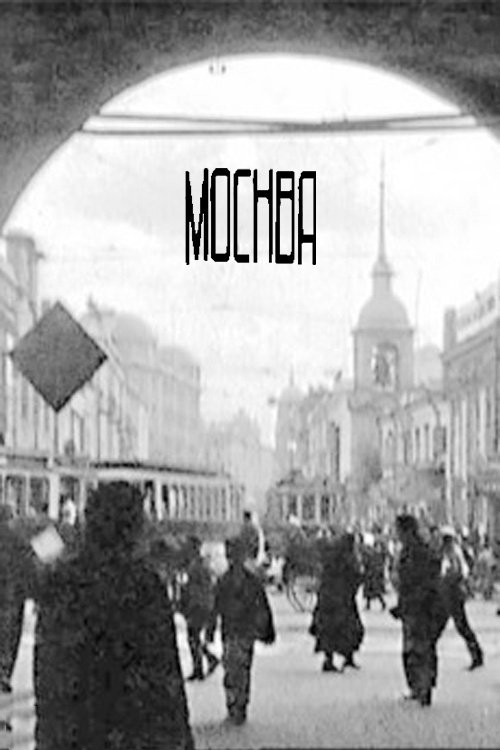
Moscow (1927) operates as a rhythmic observation of urban life, emphasizing the collective over the individual. Its strength lies in portraying a multi-ethnic, working-class reality that challenges Western cinematic norms of the time. While the film effectively depicts a diverse demographic reality and highlights the ability to act of women in public and industrial spheres, it lacks specific identity-driven narratives. The absence of scripted characters means there are no representations of LGBTQ+ or disability identities. Ultimately, the film's diversity is systemic rather than personal, celebrating a communal, industrial progress that dismantles bourgeois social hierarchies through its observational lens.
Category Breakdown
The documentary does not depict any LGBTQ+ identities or non-straight relationships. Since it is a non-narrative film, it does not address sexual identities.
Women are shown as active participants in the urban environment, working and walking in public spaces. This portrayal of women in public and industrial settings challenges traditional domestic roles.
The documentary includes various ethnic backgrounds, such as Slavic and Central Asian communities. It showcases a multi-ethnic urban reality rather than a uniform cast.
The film emphasizes collectivist values by highlighting mass labor and industrial rhythms. It serves as a visual statement for socialist organization and societal change.
There is no indication of characters with disabilities being used as plot devices. No specific instances of disability representation are noted in this observational work.
Present on Screen
Limited or Absent
Official Synopsis
Documentary almanac directed by the great cinematographer Mikhail Kaufman about the life of the Soviet capital.
1924
1929

1922

1927
1923
1922
1958

1922
No reviews yet. Be the first to share your thoughts on this movie!
Use the rating form above to leave a star rating and optional review.