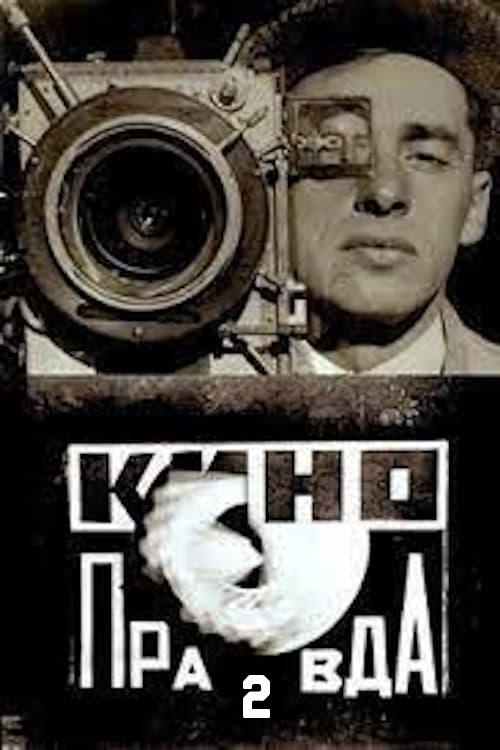
Kino-Pravda No. 2
1922
No user ratings available yet
Representation score: 4.5 out of 10

Representation Score
Fair
1922
Director
Dziga Vertov
Runtime
10 minutes
Average Rating
No ratings yetNew Showbiz Analysis
Dziga Vertov’s newsreel focuses on the systemic movement and collective action rather than individual stories. By using the 'Kino-Eye' theory, the film breaks down traditional narrative structures to highlight the dynamic energy of the early Soviet state. The work effectively critiques culture, using montage to contrast the productive Soviet collective against stagnant Western capitalist structures. It successfully dismantles individualist meritocracy in favor of a secular, class-based identity. However, the film's concentration on industrial productivity leaves gaps. It does not represent LGBTQ+ identities or disabilities, as its narrative structure is dedicated to political and labor-driven mobilization.
Category Breakdown
The film does not depict any LGBTQ+ identities. Its focus on industry and politics leaves no room for queer themes or individual identity issues.
Women are featured prominently in public and industrial settings rather than domestic roles. This portrayal of female labor challenges traditional 19th-century gender roles and societal norms.
Segments like 'The Caucasus' showcase a variety of ethnicities. The film prioritizes a collective working-class identity over Anglo-centric norms, presenting a diverse working-class community.
The work serves as a key anti-capitalist text. It portrays Western institutions as outdated relics, promoting a secular, pro-communist framework over religious or individualist structures.
There is no focus on disability or neurodivergence. The film's emphasis on industrial vigor highlights the ideal productive body over physical limitations.
Present on Screen
Limited or Absent
Official Synopsis
Dziga Vertov-directed Soviet newsreel covering: Trial of the Socialist Revolutionaries / Motor race Moscow – Sevastopol' / Barges loaded with grain are sent to the starving in the provinces / The Caucasus and its resorts.
1922

1929

1922

1927
1922

1922

1922

1922
No reviews yet. Be the first to share your thoughts on this movie!
Use the rating form above to leave a star rating and optional review.