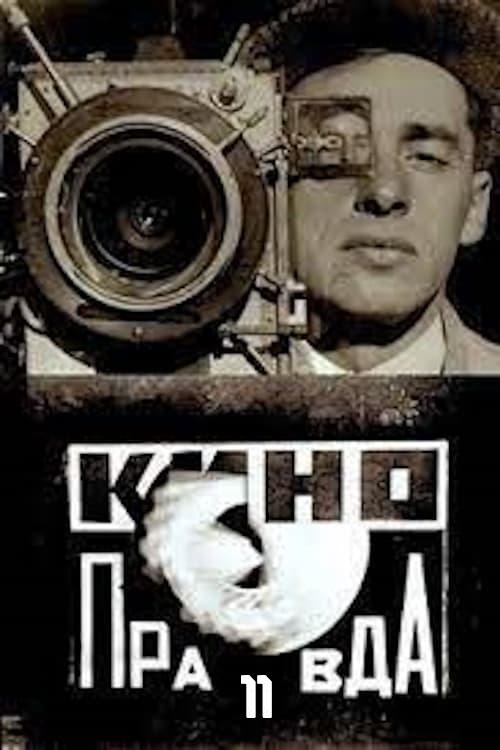
Kino-Pravda No. 11
1922
No user ratings available yet
Representation score: 4.3 out of 10

Representation Score
Fair
1922
Director
Dziga Vertov
Runtime
16 minutes
Average Rating
No ratings yetNew Showbiz Analysis
Dziga Vertov’s newsreel replaces the individual hero's journey with the movement of the masses. It functions as a visual manifesto that prioritizes collective identity and industrial progress over traditional character-driven storytelling. The film excels at systemic deconstruction, aggressively rejecting capitalist and religious frameworks. By centering the proletariat, it offers a radical restructuring of social power that challenges bourgeois cinematic norms. While the work provides significant progressive value through its ideological critique, it lacks specific focus on individual identities such as LGBTQ+ or neurodivergent experiences.
Category Breakdown
The newsreel focuses on socio-political movements and industrial labor. It contains no documented evidence of LGBTQ+ characters or narratives addressing non-straight relationships.
Women are portrayed as active contributors to mechanical and social progress, disrupting traditional domestic hierarchies. However, their representation is framed through state utility rather than individual control over their lives.
The footage captures a diverse demographic tapestry of the former Russian Empire. It frames various groups through a unified class identity rather than singular ethnic identities.
The film critiques Western economic structures and deconstructs traditional institutions like religion. It elevates collective labor and industrial modernity as the primary drivers of progress.
The documentary focuses on mass movements and industrial production. There is insufficient evidence to assess the portrayal of disability within this specific installment.
Present on Screen
Limited or Absent
Official Synopsis
Dziga Vertov-directed Soviet newsreel covering: International Youth Day and demonstrations / All-Russian Olympiad / Streetcar collision / Construction of automobiles in a Petrograd factory.
1922

1929
1923

1927
1922

1922
1922

1922
No reviews yet. Be the first to share your thoughts on this movie!
Use the rating form above to leave a star rating and optional review.